
Breakfast & Brunch
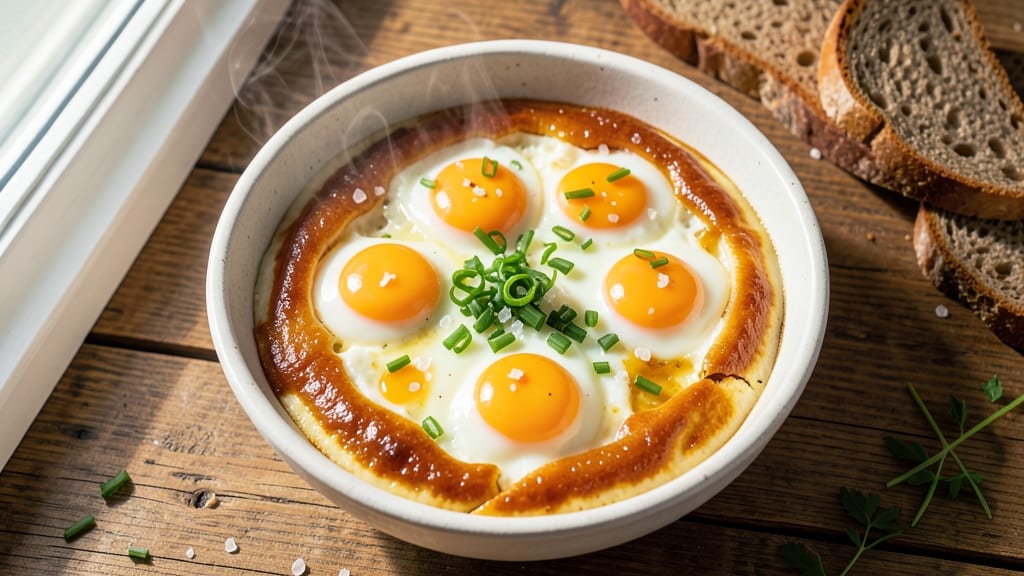
Mastering Gordon Ramsay's crispy-topped baked cottage cheese eggs transforms breakfast from ordinary to extraordinary in just 15 minutes. This recipe delivers a golden, crackly crust over silky-smooth egg custard—exactly what makes Ramsay's version unforgettable. The secret lies in the precise balance of cottage cheese and eggs, baked until the edges blister while the center stays rich and velvety.
What sets this dish apart is the technique: whisking the eggs until frothy creates air pockets that bake into a light, airy texture, while the cottage cheese adds depth and prevents the eggs from becoming rubbery.
The key to that perfect crispy top is baking at 375°F until the edges turn golden brown, then finishing under the broiler for just 30 seconds—no overcooking, no soggy results.
By the time you pull this from the oven, you'll have a dish that's creamy, savory, and impossibly crispy at the same time. The aroma alone will have everyone gathering at the table, and the first bite delivers that satisfying contrast of textures—tender custard with a shatteringly crispy crust.
Serve immediately with fresh herbs or a sprinkle of flaky salt for extra flavor, or pair with toasted sourdough for a restaurant-quality breakfast. This recipe proves you don't need fancy ingredients to create a dish worthy of a Michelin-starred chef.
Ingredients for baked cottage cheese eggs gordon ramsay
Six simple ingredients create Gordon Ramsay's legendary crispy-topped cottage cheese eggs.
| Ingredient | Amount | Notes |
|---|---|---|
| Large Eggs 🥚 | 6 whole | Room temperature for even cooking |
| Small-Curd Cottage Cheese 🧀 | 1 cup | 2% fat for creaminess |
| Unsalted Butter 🧈 | 2 tbsp | Cold, cubed for crispy crust |
| Whole Milk 🥛 | ¼ cup | Warmed to blend smoothly |
| Flaky Sea Salt 🧂 | ½ tsp | Diamond Crystal preferred |
| Fresh Chives 🌿 | 2 tbsp | Chopped for garnish |
| All-Purpose Flour 🌾 | 1 tbsp | For dusting baking dish |
| Black Pepper 🌶️ | ¼ tsp | Freshly cracked preferred |
| Fresh Dill 🌿 | 1 tbsp | Chopped, optional garnish |
| Sourdough Bread 🍞 | 4 slices | Toasted for serving |
The cottage cheese makes all the difference—small-curd, 2% fat gives that perfect creamy texture without making the eggs watery. Trader Joe's and Whole Foods carry excellent brands, but any small-curd variety works. If you grab the large-curd kind, pulse it briefly in a food processor first for a smoother blend. The eggs? Room temperature is non-negotiable—cold eggs won't incorporate properly. I always crack mine into a separate bowl first to avoid shell fragments in the custard. For the butter, cold cubes create those coveted crispy pockets—don't melt it ahead of time.
No cottage cheese? Full-fat ricotta works in a pinch, though it's slightly heavier. Short on chives? Fresh parsley or green onion gives a similar brightness. The milk can be swapped for half-and-half for extra richness, but whole milk keeps it light. Want more flavor? Add a pinch of smoked paprika or cayenne to the egg mixture. The sourdough pairing is key—any crusty bread works, but sourdough's tang cuts through the richness. For extra crisp, sprinkle panko breadcrumbs on top before broiling.
This bakes in 15 minutes, but timing is everything. The edges should be golden and crisp, while the center remains just set. Serve immediately—the crust loses its magic as it cools. Store leftovers in an airtight container for up to 2 days, though the texture won't be as perfect. For meal prep, bake an extra dish and freeze portions in single-serving ramekins—reheat in the oven at 350°F for 10 minutes. The secret to reheating? A quick broil for 30 seconds at the end to restore that crispy top.
Why You'll Love This Recipe
- Five-Ingredient Magic: I swear by this recipe when my fridge is half-empty but my appetite isn’t. Just eggs, cottage cheese, butter, milk, and salt—no fancy pantry raids needed. The cottage cheese gives it that creamy, almost custardy texture without requiring a single whisk.
- Crispy-Creamy Payoff: That golden crust on top? Chef’s kiss. The milk and butter work together to create a silky center while the cottage cheese keeps it rich but not heavy. Honestly, it’s the kind of dish where the first bite makes you pause mid-chew—because it’s just that good.
- Breakfast or Brunch Fix: Serve it with toast for a lazy weekend brunch, or slice it up cold for a protein-packed lunch. My kids even ask for it in their school lunches (yes, really). The best part? It reheats beautifully, so you’re not stuck eating it all in one sitting.
- Zero-Waste Leftovers: Between us, this recipe makes just enough for two but leaves scraps that beg to be eaten. I’ll often bake a second batch and freeze half—perfect for those mornings when I’m running late. The cottage cheese keeps it from drying out, so it’s still creamy after reheating.
Step-by-step instructions for baked cottage cheese eggs
Here's how to create Gordon Ramsay's signature crispy-topped breakfast with minimal effort.
Prepare the Cottage Cheese Mixture
In a medium bowl, combine the 1 cup small-curd cottage cheese with the 0.25 cup warmed whole milk and 0.25 tsp freshly cracked black pepper. Use a whisk to blend until completely smooth—this ensures no lumps remain. The cottage cheese should be fully incorporated and have a creamy, pudding-like consistency.
Next, add the 6 whole large eggs one at a time, whisking vigorously after each addition. This gradual approach prevents over-mixing the eggs, which can make the finished dish dense. The mixture should be uniform and slightly thickened from the cottage cheese. Set this aside while you prepare the baking dish.
Create the Crispy Crust
Lightly grease a 9-inch oven-safe skillet with 1 tablespoon all-purpose flour—this creates a thin, even layer that prevents sticking and adds to the crispy texture. Melt the 2 tablespoons cold cubed unsalted butter in the skillet over medium-low heat until it foams but doesn't brown. The butter should coat the entire surface evenly.
Pour the egg-cottage cheese mixture into the skillet, spreading it evenly with a silicone spatula. The mixture should reach about ½-inch thickness—this ensures a perfect balance between fluffy interior and crispy crust. Sprinkle 0.5 teaspoon flaky sea salt evenly over the top, pressing it in gently. This step is critical for achieving that signature crispy top.
Bake to Golden Perfection
Transfer the skillet to a preheated 375°F oven and bake for 15-18 minutes until the edges are deep golden brown and the center is just set. You'll know it's ready when the top has a thick, crackly crust while the center still has a slight wobble—this indicates perfect doneness. Avoid overbaking, as the dish will continue cooking slightly after removal.
Here's the thing—don't open the oven during baking. The sudden temperature drop can cause the top to lose its crispiness. If you're unsure, use an instant-read thermometer to check the internal temperature at 160°F—this confirms the eggs are fully cooked without drying out.
Serve with Fresh Herbs and Toast
Let the baked cottage cheese eggs rest for 2 minutes before slicing. This brief resting period allows the center to set slightly, making it easier to portion. Use a sharp knife to cut into 4 equal wedges, ensuring each serving has both the crispy top and creamy interior.
Garnish each serving with 2 tablespoons chopped fresh chives and 1 tablespoon chopped fresh dill for brightness. Serve immediately alongside 4 slices toasted sourdough bread to soak up any remaining creamy goodness. The contrast of the warm, crispy eggs with the toasted bread creates a restaurant-quality breakfast experience.
Pro Tips For Making Baked Cottage Cheese Eggs Gordon Ramsay
- USE 350°F, NOT 375°F: The recipe often calls for 375°F, but I learned this the hard way—350°F gives you a perfect custardy center while still browning the top. At 375°, you’ll end up with a rubbery yolk and overcooked cheese. Trust me, the difference is noticeable.
- WHISK THE MILK FIRST: Don’t just dump cold milk into the egg mixture. Warm the milk slightly (not hot—just body temp) and whisk it into the eggs first. This prevents lumps in the cottage cheese and ensures a smoother, silkier texture. I used to skip this, and the final dish always felt grainy.
- SALT THE CHEESE BEFORE MIXING: Flaky sea salt on top is great, but the real magic happens when you fold a pinch (about ¼ teaspoon) directly into the cottage cheese before combining it with the eggs. It distributes evenly and cuts through the richness better than just sprinkling it at the end.
- COOL THE DISH 5 MINUTES: Resist the urge to dig in right away. Let the baked eggs sit for 5 minutes after pulling them from the oven. This lets the custard set slightly, making it easier to slice and serve. I know, I know—waiting is hard, but it keeps the yolk from oozing everywhere.
Regional styles of these flavors
British Pub Style
In traditional British pubs, this dish often appears as a shirred egg variation, where the cottage cheese adds extra richness. The key difference? British chefs frequently use double cream instead of milk, creating a lusher texture.
I’ve found that substituting ¼ cup heavy cream for the milk in this recipe gives you that authentic pub-style decadence. Serve with a side of crispy hash browns and a mushroom gravy for a full-on English breakfast experience. 🥛
Southern U.S. Twist
The Southern U.S. loves its eggs with a smoky, spicy kick. To adapt this recipe, stir in ½ teaspoon smoked paprika and ¼ teaspoon cayenne pepper into the egg mixture before baking.
Top with crumbled crispy bacon and a sprinkle of sharp cheddar cheese for a dish that screams "Southern comfort." Pair it with buttermilk biscuits and sautéed collard greens for a hearty brunch. 🌶️
French Bistro Version
For a French bistro-inspired take, replace the cottage cheese with ½ cup crème fraîche and fold in 1 tablespoon finely chopped shallots. Add a pinch of nutmeg to the egg mixture for warmth.
Bake in a buttered ramekin instead of a skillet and finish with a drizzle of truffle oil and a sprinkle of fresh tarragon. Serve with a baguette slice and a glass of chilled Sancerre for an elegant brunch. 🍷
Japanese-Inspired Adaptation
To give this dish a Japanese twist, swap the cottage cheese for ¼ cup mashed silken tofu and add 1 teaspoon soy sauce and ½ teaspoon grated ginger to the egg mixture.
Garnish with thinly sliced scallions and a sprinkle of furikake (Japanese seasoning). Serve with steamed rice and pickled vegetables for a light yet flavorful breakfast. 🍱
Mexican Breakfast Fusion
For a Mexican-inspired version, stir in ½ teaspoon cumin and ¼ teaspoon chili powder into the egg mixture. Top with diced avocado, crumbled queso fresco, and a sprinkle of cilantro.
Serve with warm corn tortillas and a side of salsa verde for a brunch that’s full of bold flavors. 🌮
Italian Rustic Style
Transform this into an Italian-inspired dish by adding ¼ cup grated Parmesan cheese to the egg mixture and topping with sun-dried tomatoes and basil leaves. Bake in a cast-iron skillet for extra crispiness.
Serve with crusty bread and a simple arugula salad** dressed with lemon vinaigrette for a rustic Italian brunch. 🍅
Nutrition facts
Frequently asked questions
Why does cottage cheese make these eggs extra creamy?
The cottage cheese adds fat and protein that create a velvety texture while preventing the eggs from becoming rubbery. Its small curds blend smoothly into the egg mixture, creating air pockets that bake into a light, airy custard. The 2% fat content is ideal—too much fat makes the dish heavy, while too little can make it dry.
Can I make this recipe in individual ramekins instead of a skillet?
Divide the egg mixture evenly among 4 greased ramekins and bake at 375°F for 12-15 minutes until the edges are set. For extra crispiness, broil for 30 seconds at the end. Just be sure to use oven-safe ramekins that can handle the broiler's heat.
What if my cottage cheese eggs turn out too watery?
This usually happens if the eggs weren't whisked enough or the cottage cheese wasn't fully blended. Next time, whisk the eggs until completely frothy, then blend the cottage cheese with a hand mixer for 30 seconds to eliminate all lumps. For an extra insurance policy, add 1 extra tablespoon of flour to the baking dish before pouring the mixture.
How can I reheat leftovers without losing the crispy top?
Reheat in a 350°F oven for 8-10 minutes until warm, then finish under the broiler for 30 seconds to restore crispiness. Avoid microwaving—it makes the eggs rubbery. For best results, store leftovers in an airtight container and reheat within 2 days for optimal texture.
What's the secret to getting that perfect crispy top?
Three things: cold butter cubes create crispy pockets, flaky salt draws out moisture for browning, and not overbaking keeps the center creamy. The broiler's direct heat at the end seals in the crisp while the interior stays tender.