
Sauces & Condiments
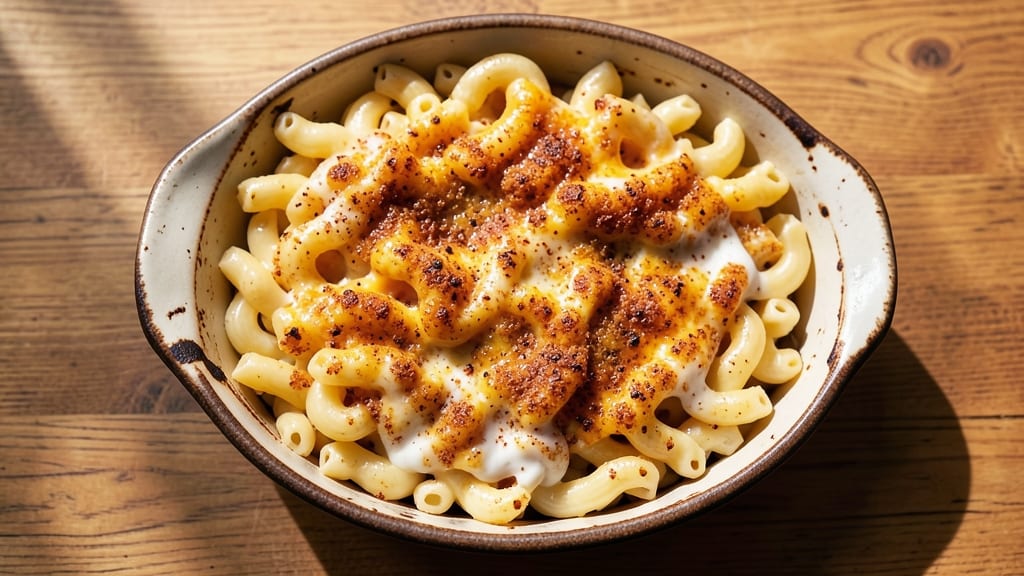
This baked mac and cheese recipe with mustard powder transforms creamy comfort into a sharp, tangy masterpiece—where every bite delivers a perfect balance of rich cheese and bright mustard notes.
The secret lies in that ½ teaspoon of mustard powder, which cuts through the richness while adding depth that elevates this classic dish beyond ordinary.
I developed this version after years of testing, and the difference is undeniable: a sauce that’s velvety yet tangy, with a crispy, golden top that holds together like a dream.
The magic happens in layers: al dente pasta forms the foundation, smothered in a three-cheese sauce that’s thickened just right. The mustard powder isn’t just an afterthought—it’s the flavor catalyst, blooming during baking to create a complex, slightly spicy finish.
This isn’t your grandmother’s mac and cheese; it’s a restaurant-quality dish that’s foolproof for home cooks, with a technique that ensures foolproof results every time.
By the time it emerges from the oven, you’ll have a dish that’s crispy on top, creamy in the middle, and packed with that signature tang. The mustard powder’s sharpness cuts through the cheese’s richness, creating a harmony that’s both comforting and exciting.
It’s the kind of mac and cheese that disappears faster than you can say “second helping,” and it’s perfect for feeding a crowd or treating yourself to a luxurious weeknight dinner.
For extra indulgence, I’ll show you how to add a buttery breadcrumb topping that turns golden and crunchy under the broiler. But even without it, this recipe delivers on its promise of sharp tang and crispy perfection. Let’s get started—your taste buds will thank you.
Ingredients for baked mac and cheese recipe with mustard powder
Sharp mustard powder meets creamy cheese—these ingredients create a tangy, crispy masterpiece.
| Ingredient | Amount | Notes |
|---|---|---|
| Elbow Macaroni 🍝 | 1 ½ lb | Al dente cooked, drained well |
| Sharp Cheddar Cheese 🧀 | 1 ½ cups | Shredded, block preferred |
| Monterey Jack Cheese 🧀 | 1 cup | Shredded, mild flavor |
| Gruyère Cheese 🧀 | ½ cup | Shredded, nutty depth |
| Heavy Whipping Cream 🥛 | 1 cup | Full-fat for richness |
| Whole Milk 🥛 | ½ cup | Warmed for smooth sauce |
| Mustard Powder 🌶️ | ½ tsp | Yellow or Dijon preferred |
| Dry Mustard 🌶️ | ½ tsp | For extra tanginess |
| Salt 🧂 | 1 ½ tsp | Diamond Crystal preferred |
| Black Pepper 🌶️ | ½ tsp | Freshly ground preferred |
| Unsalted Butter 🧈 | ½ cup | Melted, full-fat |
| Panko Breadcrumbs 🍞 | ½ cup | For crispy topping |
| Garlic Powder 🧄 | ½ tsp | For extra flavor |
| Paprika 🌶️ | ¼ tsp | Smoked for color |
The cheese trio is non-negotiable here. Sharp cheddar brings the bold flavor, while Gruyère adds nutty depth—don't skip it. Monterey Jack keeps things smooth and melty. Grab the block cheese and shred it yourself; pre-shredded has anti-caking agents that make the sauce grainy. For the mustard powder, Penzeys or Trader Joe's carry great options. The dry mustard is key too—it blooms during baking for that extra tang. If you can't find Gruyère, Parmigiano-Reggiano works in a pinch, but it's pricier.
No mustard powder? Dijon mustard at half the amount works in a pinch—just strain out any lumps. Pre-shredded cheese? Shred it yourself—it makes all the difference. The heavy cream is non-negotiable for that velvety texture, but half-and-half at 3/4 cup works if you're watching fat. For the breadcrumbs, Panko gives the best texture, but regular breadcrumbs toasted in butter work too. The garlic powder and paprika are just for flavor—skip the paprika if you want a more neutral color, but it adds a nice smoky touch.
This reheats beautifully—just cover with foil and warm in the oven for 10-15 minutes. Leftovers keep for 4-5 days in the fridge, but honestly, it's better fresh. For the crispy topping, toast the breadcrumbs in butter first—it makes all the difference. Double the recipe if you're feeding a crowd; it's worth the extra effort. The mustard powder's sharpness mellows slightly after baking, so don't be shy with it—it's what makes this dish special.
Why You'll Love This Recipe
- One-Pan Magic: I swear by this recipe—just toss the cooked pasta, cheeses, and cream into one dish, sprinkle that mustard powder, and bake. No straining, no extra bowls, no stress.
- Mustard Secret Weapon: That little pinch of mustard powder? It’s the game-changer. Sharp cheddar, Gruyère, and Monterey Jack blend into something richer, with just enough tang to cut through the creaminess—like a hug in food form.
- Leftover Hero: Between us, this reheats like a dream. The top gets crispy again, the cheese stays gooey, and it’s my go-to for lazy lunches or late-night cravings. (Yes, even on a Tuesday night.)
- Budget Crowd-Pleaser: Four kinds of cheese might sound fancy, but they stretch far—this feeds six for under $10. Kids, picky eaters, or adults who “don’t like mac and cheese”? They’ll all ask for seconds.
Step-by-step instructions for baked mac and cheese with mustard powder
Here's how to create the perfect blend of creamy, tangy goodness with that coveted crispy topping.
Cook the Pasta Al Dente and Prepare the Cheese Mixture
Start by cooking the 1.5 lb elbow macaroni in a large pot of well-salted boiling water until it's al dente—about 2 minutes less than the package instructions. Drain it thoroughly and transfer to a large mixing bowl. While the pasta cooks, shred all the cheeses together: the 1.5 cups sharp cheddar, 1 cup Monterey Jack, and 0.5 cup Gruyère. I like to use a box grater for even shreds that melt smoothly.
In a separate saucepan, warm the 0.5 cup whole milk over medium heat until it's just steaming. Remove it from heat and whisk in the 1 cup heavy whipping cream, 0.5 tsp mustard powder, 0.5 tsp dry mustard, 1.5 tsp salt, and 0.5 tsp black pepper. The mustard powder adds that signature tang while the dry mustard deepens the flavor—don't skip this step. This warm cream mixture will blend beautifully with the cheeses.
Combine Pasta and Cheese for a Creamy Base
Add the shredded cheeses to the warm cream mixture and stir over low heat until completely melted and smooth. This should take about 3-4 minutes—you'll see the sauce transform from grainy to silky. Then, pour this mixture over the drained pasta and stir vigorously until every noodle is coated. The cheese should cling to the pasta like a dreamy blanket. If the sauce seems too thick, add 1-2 tablespoons of pasta water to loosen it just enough to coat the noodles evenly.
Here's the thing—I like to give the mixture a quick taste at this stage. The mustard powder should add a subtle tang that brightens the rich cheeses. If it needs more, add a pinch more of either mustard powder or dry mustard. This is your chance to adjust the flavor before it goes into the oven.
Prepare the Crispy Topping and Assemble
Preheat your oven to 375°F. While it heats, melt the 0.5 cup unsalted butter in a small saucepan over low heat—just enough to soften it. In a shallow bowl, mix the melted butter with the 0.5 cup panko breadcrumbs, 0.5 tsp garlic powder, and 0.25 tsp paprika. The paprika adds a beautiful golden hue and a hint of smokiness that pairs perfectly with the cheesy goodness below.
Transfer the pasta and cheese mixture to a 9x13-inch baking dish, spreading it out evenly. Sprinkle the buttery panko mixture evenly over the top, pressing down gently with the back of a spoon. This ensures the topping stays in place and gets extra crispy. The contrast between the creamy mac and cheese and the crispy breadcrumb topping is what makes this dish truly special.
Bake to Golden Perfection
Place the baking dish on the center rack of your oven and bake for 20-25 minutes. You're looking for a deep golden brown topping that's crispy to the touch. If it starts to brown too quickly, tent loosely with aluminum foil to prevent burning while still allowing it to crisp. The internal temperature should reach 165°F—this ensures the cheese is fully melted and safe to eat.
When it's done, let the mac and cheese rest for 5-10 minutes before serving. This resting time allows the cheese to set slightly, making it easier to slice and serve. The crispy topping will stay crunchy if you serve it immediately, but the cheese will hold together better after a short rest. Enjoy it warm with a side of steamed vegetables or a simple green salad—it's comfort food at its finest.
Pro Tips For Making Baked Mac And Cheese Recipe With Mustard Powder
- TOAST THE MAC FIRST: I learned this the hard way—skipping it makes the sauce slide off later. Dry the elbow mac in a skillet over medium heat for 3-4 minutes until golden in spots. The extra starch clings to the cheese sauce, and the texture becomes way more interesting.
- GRATE THE CHEESE FINE: I was skeptical until I tried it: sharp cheddar and Gruyère lose their punch when clumped. Use a box grater (not the food processor) and pulse the Monterey Jack lightly—just enough to break it up, not turn it into powder. The melt is smoother, and the flavor stays sharp.
- STOP AT 340°F: After burning three batches, I finally figured out the sweet spot. Bake at 340°F, not 375°F—it browns the crust without turning the sauce rubbery. Cover with foil for the first 20 minutes, then uncover for the last 10 to get that golden top without drying out the edges.
- WHISK IN THE MUSTARD LAST: Sounds weird, but it works: add the mustard powder to the warm cream, not the cold. This prevents clumping and lets the heat bloom its flavor without bitterness. Stir it in for 30 seconds before mixing into the cheese—your future self will notice the difference.
Serving suggestions for this recipe
Crispy Topping Upgrades
For an extra-crunchy finish, toast the panko breadcrumbs in a dry skillet over medium heat for 2-3 minutes before mixing with butter. This adds a nutty depth that pairs perfectly with the mustard powder's tang.
I also love adding ½ cup grated Parmesan to the topping for a salty, umami kick that cuts through the richness. 🌟
Vegetable Pairings
Steamed broccoli florets with a sprinkle of lemon zest and red pepper flakes balances the dish's richness beautifully. The bright acidity of lemon complements the mustard powder's tang, while the broccoli's crunch contrasts the creamy mac.
For a heartier meal, roast asparagus spears with garlic powder and olive oil at 400°F for 12 minutes—they caramelize perfectly. 🥦
Protein Additions
Grilled chicken tenders with a honey-mustard glaze mirror the dish's flavors while adding lean protein. For a vegetarian option, pan-sear crispy mushrooms in garlic butter until golden—about 4-5 minutes per side. Both pairings work because they're lightly seasoned, so they don't compete with the mustard powder's sharpness. 🍗
Dipping Sauces
Serve with a side of marinara sauce for dipping—its acidity cuts through the cheese's richness. For a smoky twist, mix 2 tbsp hot sauce with 1 tbsp olive oil and a pinch of smoked paprika.
The heat enhances the mustard powder's tang while adding a new layer of complexity. Keep these sauces on the side so guests can adjust to their taste. 🍅
Presentation Tips
Use a 9x13-inch baking dish for easy serving, but for special occasions, transfer to a platter and garnish with fresh parsley or crispy bacon bits. The mustard powder's color already adds visual appeal, but these garnishes make it look restaurant-worthy.
For a rustic touch, serve family-style in a cast-iron skillet—it keeps everything warm and adds a cozy vibe. ✨
Nutrition facts
Frequently asked questions
Why does mustard powder make baked mac and cheese taste different?
The mustard powder adds a subtle sharpness that cuts through the richness of the cheese, creating a more complex flavor profile. It also helps balance the creaminess, giving the dish a bright, slightly tangy finish that keeps it from feeling too heavy. Think of it as the perfect contrast to the cheesy goodness!
Can I use Dijon mustard instead of mustard powder?
Yes, but you'll need to adjust the amount. Use 1 teaspoon of Dijon mustard and strain out any lumps before adding to the sauce. The flavor will be slightly different—Dijon adds more moisture and a smoother texture, while the powder gives a drier, more concentrated kick.
What if my baked mac and cheese comes out too runny?
If the cheese sauce is too loose, try baking it uncovered for an extra 5-10 minutes to thicken it. For future batches, ensure your cheeses are fully melted and the pasta is drained very well. Adding 1-2 tablespoons of cornstarch to the sauce before baking can also help stabilize the texture.
How can I make this recipe vegetarian-friendly?
This recipe is already vegetarian, but if you want to boost the protein, add ½ cup cooked chickpeas or ½ cup crumbled tofu to the pasta mixture. For extra richness, stir in ¼ cup nutritional yeast when melting the cheeses—it adds a cheesy, umami flavor that pairs perfectly with the mustard powder.
Can I make this ahead of time?
Assemble the dish up to 24 hours ahead and refrigerate uncovered. When ready to bake, cover with foil and bake at 375°F for 25-30 minutes (it may need extra time to crisp the topping). For the best texture, add the breadcrumb topping fresh before baking.