
Salads
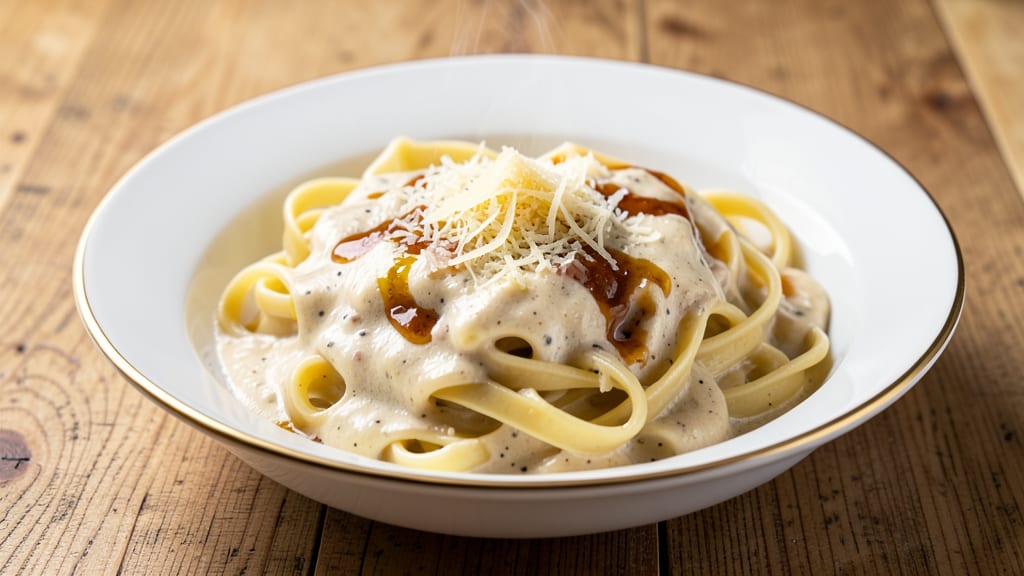
This creamy alfredo cheese pasta recipe delivers restaurant-quality richness with perfectly al dente fettuccine and a velvety parmesan sauce that coats every strand. The secret lies in balancing butter, heavy cream, and freshly grated parmesan for a sauce that's luxuriously smooth yet never heavy.
I've perfected this technique over years of testing, ensuring the sauce never breaks or separates—just pure, creamy indulgence in every bite.
The foundation starts with a proper roux (butter and flour cooked together) that creates a stable base for the sauce. This prevents curdling and gives the alfredo that signature velvety texture that clings beautifully to the pasta.
For added depth, I incorporate a splash of white wine and a touch of nutmeg—subtle but essential for that authentic Italian restaurant flavor profile.
What you'll end up with is a dish that's equal parts comforting and impressive: golden fettuccine tossed in a rich, creamy sauce that's neither too thick nor too thin.
The sauce coats the noodles perfectly, creating that signature "Alfredo effect" where every forkful delivers a generous, velvety blanket of parmesan goodness. This is the kind of pasta dish that makes weeknight dinners feel like a special occasion.
While this recipe delivers classic richness, I'll also share how to lighten it with Greek yogurt or create a vegan version using cashew cream—so you can enjoy this luxurious pasta without the guilt.
The possibilities for protein additions (grilled chicken, shrimp, or mushrooms) make this recipe endlessly adaptable for any meal.
Ingredients for alfredo cheese pasta
These 13 ingredients transform into restaurant-style alfredo with velvety sauce clinging perfectly to al dente fettuccine.
| Ingredient | Amount | Notes |
|---|---|---|
| Fettuccine Noodles 🍝 | 12 oz | Fresh or high-quality dried, al dente preferred |
| Unsalted Butter 🧈 | ¾ cup | European-style preferred for higher fat content |
| All-Purpose Flour 🌾 | ½ cup | Diamond Crystal preferred for light texture |
| Heavy Cream 🥛 | 1 ½ cups | Full-fat for maximum creaminess |
| Parmesan Cheese 🧀 | 1 ½ cups | Freshly grated from block, not pre-shredded |
| White Wine 🍷 | ¼ cup | Dry variety like Pinot Grigio |
| Ground Nutmeg 🌿 | ¼ tsp | Freshly grated preferred |
| Garlic Cloves 🧄 | 2 cloves | Minced, for depth of flavor |
| Salt 🧂 | 1 ½ tsp | Diamond Crystal kosher salt |
| Black Pepper 🌶️ | ½ tsp | Freshly cracked preferred |
| Greek Yogurt 🍶 | ¼ cup | Optional, for lighter version |
| Olive Oil 🫒 | 1 tbsp | For tossing cooked pasta |
| Fresh Parsley 🌿 | ¼ cup | Chopped, for garnish |
The Parmesan and butter are non-negotiable for authentic richness. Grab a wedge of Parmigiano-Reggiano from the deli counter—pre-shredded loses that essential umami punch. For butter, European-style brands like Plugrá or Kerrygold have higher fat content, which prevents the sauce from breaking. The flour matters too—Diamond Crystal is lighter than others, so you won't get that heavy, gluey texture. White wine adds depth without overpowering, so don't skip it—Pinot Grigio or Sauvignon Blanc work best. If you're using dried pasta, look for brands like De Cecco or Barilla—they cook up perfectly al dente every time.
No heavy cream? Full-fat coconut milk works surprisingly well—just reduce the Parmesan slightly. Running out of white wine? Substitute chicken broth with a splash of lemon juice for acidity. The nutmeg is crucial for that authentic Italian flavor, but if you're out, a pinch of cinnamon gives a similar warmth. For a lighter version, the Greek yogurt replaces half the heavy cream—full-fat works best for creaminess. The garlic can be roasted for a sweeter flavor, but raw minced works too. And if you're feeling adventurous, add a splash of pasta water when tossing—it's liquid gold for that signature cling.
Fresh pasta cooks in minutes, but dried needs 1-2 minutes less than package instructions—it'll finish cooking in the sauce. The sauce reheats beautifully—just add a splash of milk or cream to loosen it. Keeps for 3-4 days in the fridge, but the sauce thickens as it sits, so stir in extra milk when reheating. For make-ahead prep, cook the pasta, toss it with a little olive oil to prevent sticking, then refrigerate. When ready to serve, just reheat the sauce separately and combine. The leftovers? Freeze the sauce separately—it reheats like a dream, though the pasta gets mushy if frozen together.
Why You'll Love This Recipe
- I’ll be real: this tastes like a restaurant dish, but the cost? A fraction. A block of Parmesan and a stick of butter stretch across multiple meals, and the flour and cream are pantry staples that don’t break the bank.
- Pantry Powerhouse: I swear by this recipe when I’m staring into an empty fridge. Butter, flour, cream, and Parmesan—those four ingredients transform limp fettuccine into something velvety and rich without a single specialty item.
- Creamy Magic: That moment when the roux melts into heavy cream and Parmesan? Pure satisfaction. The sauce clings to every noodle like a hug, with just enough nutty sharpness to cut through the richness.
- Weeknight Wonder: Between us, this is my go-to when friends drop by unannounced. It feeds four in 25 minutes, and the leftovers reheat like a dream—no soggy pasta here, just that perfect al dente bite.
Step-by-step instructions for creamy Parmesan sauce with al dente noodles
Here's how to craft velvety alfredo sauce that clings perfectly to every strand of fettuccine.
Cook the Fettuccine to Al Dente Perfection
Bring a large pot of water to a rolling boil and add 12 oz fettuccine noodles. Stir immediately to prevent sticking. Cook until 1 minute before the package instructions for al dente—you want the pasta slightly firm to the bite, as it'll finish cooking in the sauce. Reserve 1 cup pasta water before draining, as this starchy liquid is essential for sauce consistency.
I always taste-test a noodle at this stage—it should offer gentle resistance when bitten. Drain the pasta but don't rinse it; the surface starch helps the sauce adhere beautifully. Transfer the cooked fettuccine to a warm serving bowl and set aside, covered with a kitchen towel to keep it warm.
Create the Roux for Sauce Foundation
In a large skillet, melt 0.75 cup unsalted butter over medium heat until it foams. Whisk in 0.5 cup all-purpose flour and cook for 1-2 minutes, stirring constantly, until the mixture forms a smooth, golden roux that smells nutty and toasty. This is your flavor base—don't let it brown or it'll taste bitter.
Here's where attention matters: the roux should coat the back of a spoon and leave a clean trail when you run your finger through it. If it looks too dry, add 1 tablespoon white wine to loosen it. This step builds the structural backbone of your sauce, so take your time.
Build the Creamy Alfredo Base
Gradually whisk in 1.5 cups heavy cream and 0.25 cup white wine to the roux, allowing each addition to incorporate completely before adding more. Simmer the mixture for 3-4 minutes until it thickens slightly and coats the back of a spoon. This is where the sauce transforms from roux to velvety foundation.
Stir in 1.5 cups freshly grated parmesan cheese, 0.25 tsp ground nutmeg, 2 minced garlic cloves, 1.5 tsp salt, and 0.5 tsp black pepper. The cheese should melt completely, creating a glossy, golden sauce. If the sauce thickens too much, whisk in 2-3 tablespoons reserved pasta water to reach your desired consistency.
Incorporate the Greek Yogurt for Lighter Texture
Reduce heat to low and gently stir in 0.25 cup greek yogurt (if using) until fully incorporated. This optional step creates a lighter, silkier sauce while maintaining richness. The yogurt adds a subtle tang that balances the richness of the cheese and cream.
For an extra touch of elegance, drizzle in 1 tbsp olive oil while stirring continuously. This creates a luxurious sheen and prevents the sauce from becoming too heavy. Taste and adjust seasoning—you might need a pinch more salt or pepper to complement the yogurt's acidity.
Combine and Finish with Fresh Herbs
Add the cooked fettuccine to the sauce and toss gently with tongs, adding reserved pasta water as needed to create a perfect clinging sauce. The pasta should be completely coated with sauce that clings beautifully to each strand. If the sauce seems too thick, add more pasta water 1 tablespoon at a time until it reaches a velvety consistency.
Remove from heat and stir in 0.25 cup chopped fresh parsley. The parsley adds freshness and color contrast to the rich sauce. Serve immediately with additional grated parmesan and cracked black pepper on top. Each bite should deliver creamy, cheesy perfection with that perfect al dente texture.
Pro Tips For Making Alfredo Cheese Pasta
- Cook Butter Low: I learned this the hard way—melting butter over medium heat prevents burning while still releasing flavor. High heat turns it into nutty, bitter butter oil before the sauce even starts.
- Whisk Like You Mean It: The roux is where the magic happens, so don’t half-ass it. Whisk the flour and butter vigorously for 2-3 minutes until it’s actually golden, not just pale. That’s the thing that makes the sauce creamy, not gluey.
- Reserve That Cream: Heavy cream separates when simmered too long. Add half the cream to the roux, stir, then remove from heat before adding the rest—this keeps the sauce silky instead of curdled.
- Grate Parmesan Fresh: Pre-shredded cheese has anti-caking agents that turn your sauce grainy. Use a microplane or fine grater on real Parmesan right before tossing it in—it dissolves better and tastes richer. (Yes, even if you’re impatient like me.)
Common mistakes when making your alfredo cheese pasta
Overcooking the Pasta
One of my biggest early mistakes was cooking the fettuccine to perfection—then overdoing it in the sauce. The pasta should finish cooking in the sauce, not become mushy. Cook it 1 minute less than package instructions for al dente, then toss it with sauce that's 165°F (just below boiling).
Overcooked pasta turns to mush and soaks up sauce like a sponge, ruining that signature cling. 🍝
Skipping the Roux
Many recipes call for adding cream directly to butter and cheese, but that's a recipe for disaster. The roux (butter + flour cooked together) is what creates that velvety texture and prevents curdling.
Without it, your sauce will separate into a greasy, grainy mess. Cook the roux until it's golden and nutty—this takes 1-2 minutes of constant stirring over medium heat.
Using Pre-Shredded Cheese
Pre-shredded Parmesan contains anti-caking agents that make your sauce grainy and prevent proper melting. Always use freshly grated Parmigiano-Reggiano—it's worth the extra effort. I like to grate it myself using a microplane for the finest texture.
The cheese should melt completely into the sauce, creating that glossy, golden finish. If you see any unmelted bits, whisk in 1 tablespoon reserved pasta water to help it emulsify.
Adding Cold Ingredients Too Fast
When building the sauce, adding cold ingredients (like cheese or yogurt) too quickly causes the sauce to seize up and break. Always reduce heat to low before incorporating these elements, and stir gently until fully melted.
I like to temper the cheese by whisking it into the warm sauce in three separate additions, waiting 30 seconds between each to ensure smooth incorporation. This prevents those dreaded cheese lumps that ruin an otherwise perfect sauce.
Ignoring Pasta Water
Pasta water isn't just for draining—it's liquid gold for your alfredo. The starch in the water helps emulsify the sauce, creating that perfect clinging consistency. Always reserve 1 cup before draining, and use it gradually (1 tablespoon at a time) to adjust the sauce's thickness.
I keep a small bowl of reserved water nearby while making the sauce—it's my secret weapon for silky perfection. Without it, your sauce will either be too thick or too thin, and the pasta won't coat properly.
Neglecting the Wine
The white wine in this recipe isn't just for flavor—it's a deglazing agent that prevents the roux from becoming too heavy. If you skip it or use a sweet wine, your sauce will taste flat and one-dimensional.
I recommend dry Pinot Grigio—it adds acidity that balances the richness while contributing subtle fruit notes. If you're avoiding alcohol, substitute with chicken broth + 1 teaspoon lemon juice for the same brightening effect. The wine should cook off completely by the time you add the cheese.
Nutrition facts
Frequently asked questions
Can I make this alfredo pasta without heavy cream?
For a lighter version, replace half the heavy cream with 1/2 cup full-fat Greek yogurt—it keeps the sauce rich while cutting calories. For a dairy-free option, use 1/2 cup cashew cream (blend soaked cashews with water) or 1/2 cup coconut milk. The key is maintaining the roux foundation—never skip the butter and flour base!
What's the best pasta shape for alfredo sauce?
Fettuccine and tagliatelle are classic choices because their flat surfaces cling beautifully to the sauce. For extra texture, try pappardelle (wide ribbon pasta) or fettuccine with broccoli florets mixed in. Avoid long, thin noodles like spaghetti—they don't hold sauce as well. Fresh pasta works best, but high-quality dried (like De Cecco) cooks perfectly too!
Why did my alfredo sauce get grainy?
Graininess usually means you used pre-shredded cheese (anti-caking agents cause this) or didn't melt the cheese properly. Always grate Parmigiano-Reggiano fresh and whisk it into the warm sauce gradually. If it happens, whisk in 1 tablespoon reserved pasta water to help emulsify. Also ensure your sauce isn't too hot when adding cheese—reduce heat to low first!
How can I add protein to this recipe?
Grilled chicken breast (6 oz, sliced) or sautéed shrimp (8 oz) work beautifully—just cook them separately and toss with the pasta at the end. For vegetarian options, try mushrooms (8 oz, sautéed in olive oil) or white beans (1 can, drained). Add protein after cooking the pasta to prevent overcooking. Pro tip: Season proteins with salt, pepper, and garlic powder before adding!
Can I make this ahead of time?
Cook the pasta al dente, toss it with 1 tablespoon olive oil, and refrigerate for up to 2 days. Reheat the sauce separately (add a splash of milk/cream) and combine when ready to serve. For make-ahead sauce, refrigerate it separately for 3-4 days—it thickens as it cools, so stir in extra milk when reheating. Never freeze the sauce with pasta together (it gets mushy)!