
Sauces & Condiments
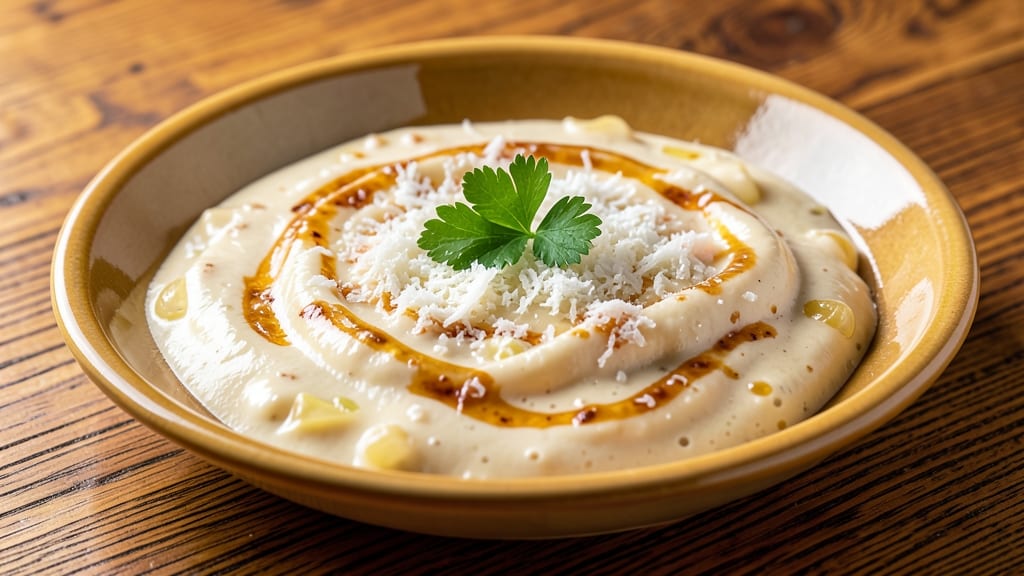
This Alfredo sauce recipe with cream cheese and parmesan delivers the creamiest, most luxurious coating for pasta in just 15 minutes—no heavy cream required.
The secret lies in blending cream cheese with grated parmesan to create a velvety base that clings perfectly to noodles, while a touch of butter adds depth without breaking the sauce.
After perfecting this version for restaurant-quality fettuccine Alfredo, I’ve simplified it for home cooks to achieve the same rich, velvety results every time.
The beauty of this sauce is its versatility—it works equally well with chicken parmesan, grilled vegetables, or even as a creamy dip. The cream cheese provides instant creaminess while keeping the sauce light enough to coat, while the parmesan adds a sharp, nutty finish.
For a smoother texture, blend the sauce until silky; for a rustic look, leave it slightly chunky. The key is low-and-slow cooking to prevent curdling, ensuring a flawless, restaurant-style finish.
What sets this recipe apart is its foolproof technique: no lumps, no separation, and no need for heavy cream. The sauce stays rich and velvety even when reheated, making it perfect for meal prep or last-minute dinners.
Whether you’re serving it over fettuccine or drizzling it over grilled chicken, the result is a luxurious, creamy sauce that feels indulgent without being overly heavy.
For extra richness, stir in a splash of milk or a pat of butter at the end, and always keep a small amount of pasta water on hand to adjust consistency.
Store leftovers in the fridge for up to 5 days, or freeze for longer storage. This is the Alfredo sauce that will make you question why you ever bought store-bought versions.
Ingredients for alfredo sauce recipe cream cheese parmesan
Five simple ingredients transform into this restaurant-quality Alfredo sauce in minutes.
| Ingredient | Amount | Notes |
|---|---|---|
| Cream Cheese 🧀 | 8 oz | Full-fat, room temperature |
| Parmesan Cheese 🧀 | 1 cup | Freshly grated from block |
| Unsalted Butter 🧈 | ½ cup | Cold, cubed for blending |
| Heavy Cream 🥛 | ½ cup | Cold, for smooth texture |
| Garlic Cloves 🧄 | 4 cloves | Fresh, minced or grated |
| Shallot 🧅 | ¼ cup | Finely minced, about 1 small |
| Extra-Virgin Olive Oil 🫒 | ¼ cup | For richness and balance |
| Pasta Water 💧 | ½ cup | Reserved from cooked pasta |
| Salt 🧂 | ½ tsp | Kosher or sea salt |
| Black Pepper 🌶️ | ¼ tsp | Freshly ground preferred |
The cream cheese is the star here—full-fat, room-temperature blocks blend the smoothest. Philadelphia brand works best, but any high-quality cream cheese will do. The Parmesan? Grate it yourself from a wedge—pre-grated gets clumpy and lacks flavor. For the butter, cold cubes blend better than melted, giving you that velvety texture without lumps. I always grab my Parmesan from the deli counter—it's worth the extra few bucks for that nutty punch. The garlic and shallot? Fresh is non-negotiable—dried powder just won't cut it here.
No heavy cream? Half-and-half or even whole milk works in a pinch, though the sauce will be slightly lighter. Short on Parmesan? Pecorino Romano at half the amount gives you that sharp bite. The olive oil might seem odd, but it's what keeps this sauce from breaking when reheated. Trader Joe's has the best-priced extra-virgin—look for the fruity, peppery kind. For the shallot, if you've only got onion, double the amount and finely dice it. The pasta water is your secret weapon—keep a cup stashed while you cook the noodles.
This sauce keeps beautifully—5 days in the fridge or 3 months frozen. For freezing, cool it completely first, then portion into ice cube trays. Once solid, transfer to a bag. Reheat gently on low—never microwave or it'll separate. I make double batches all the time—one for dinner, one to freeze for lazy nights. The sauce actually tastes better the next day as all the flavors meld together.
Why You'll Love This Recipe
- Five-Ingredient Magic: I swear by this combo—cream cheese, Parmesan, butter, heavy cream, and garlic. That’s it. No fancy reductions, no straining, no stress. The sauce comes together while you sauté garlic, and honestly? It’s the kind of recipe that makes you feel like a chef without the fuss.
- Creamy Yet Bold: Between us, traditional Alfredo can be one-dimensional. This version? The cream cheese keeps it luscious, but the sharp Parmesan and roasted garlic cloves cut through the richness. It’s rich but not heavy, tangy but not sour—it’s the balance I’ve been craving.
- Weeknight to Dinner Party: Same sauce, endless uses. Toss it with fettuccine for a quick weeknight meal, or drizzle it over grilled chicken for a restaurant-worthy dinner. (Yes, even on a Tuesday night.) The heavy cream base means it reheats like a dream, so it’s perfect for meal prep too.
- Budget-Friendly Luxury: Here’s what sold me—this costs a fraction of store-bought Alfredo but tastes so much better. A block of Parmesan and a tub of cream cheese stretch further than you’d think, and the butter adds that velvety finish without breaking the bank. Leftovers? Freeze them for future pasta nights.
Step-by-step instructions for creamy Alfredo sauce
Here's how to make a velvety, restaurant-style Alfredo sauce that clings perfectly to any pasta.
Melt Butter and Sauté Aromatics
Heat a medium saucepan over medium-low heat and add the 0.5 cup unsalted butter. Let it melt completely, then add the 0.25 cup minced shallot and 4 cloves minced garlic. Cook for 3-4 minutes until the shallots are soft and translucent, but don't let them brown.
Here's the thing—cooking the aromatics first builds flavor without overpowering the delicate cream cheese. I like to stir occasionally and watch for that perfect moment when the garlic just starts to perfume the kitchen. That's when you know it's ready to move to the next step.
Add Cream Cheese and Heavy Cream
Reduce the heat to low and slowly add the 8 oz room-temperature cream cheese, stirring constantly with a wooden spoon. Let it melt completely, about 2-3 minutes. Then pour in the 0.5 cup cold heavy cream and stir until fully combined.
This is where patience pays off. If you add the cream cheese too quickly, it can clump. I like to let it melt gradually while stirring in small circles to ensure a smooth, lump-free sauce. The mixture should thicken slightly but still be pourable.
Incorporate Parmesan and Season
Gradually add the 1 cup freshly grated Parmesan cheese, stirring continuously until fully melted and smooth. Season with the 0.5 tsp salt and 0.25 tsp black pepper. Taste and adjust seasoning if needed—you might need a little more salt to balance the richness.
Real talk: freshly grated Parmesan makes all the difference. Pre-shredded cheese contains anti-caking agents that prevent it from melting properly. The sauce should be thick enough to coat the back of a spoon but still flow smoothly when stirred.
Thin with Pasta Water for Perfect Consistency
Add the 0.25 cup extra-virgin olive oil and stir to combine. If the sauce is too thick, gradually add the 0.5 cup reserved pasta water 1 tablespoon at a time until you reach your desired consistency. The sauce should coat the back of a spoon but still cling beautifully to pasta.
Don't skip this step—pasta water contains starch that helps the sauce cling perfectly. If it's too thin, simmer for another 1-2 minutes to thicken slightly. The sauce should be smooth, glossy, and ready to coat every strand of pasta.
Keep Warm and Serve Immediately
Remove the sauce from heat and keep it warm in a double boiler or a heatproof bowl set over simmering water. Stir occasionally to maintain even temperature. When ready to serve, toss with cooked pasta and garnish with additional Parmesan and black pepper if desired.
This sauce is best served immediately while still warm. The moment you toss it with pasta, the sauce will cling perfectly, creating that signature creamy, velvety coating we all love. If you need to hold it for a bit, just keep it covered and gently reheat with a splash of pasta water before serving.
Pro Tips For Making Alfredo Sauce Recipe Cream Cheese Parmesan
- Melt Butter Slowly: Start with the butter on medium-low heat—not simmering, not bubbling, just gently shimmering. I’ve burned cream cheese twice because I got impatient and cranked the heat; it seizes up like glue. Let the butter melt first, then add the garlic, or you’ll end up with bitter, browned bits ruining the whole sauce.
- Grind Parmesan Fresh: Skip the pre-grated stuff—it’s full of anti-caking agents and turns your sauce grainy. Use a microplane or fine grater and pulse it in a food processor for 10 seconds to get a powdery texture. My grandmother swore by this, and she was right: the flavor is richer, and the sauce stays silky.
- Temper the Cream Cheese: Cut the cream cheese into small cubes before adding it to the pot—this ensures it melts evenly without clumping. I learned this the hard way: one big lump of cold cream cheese in hot butter? That’s a lumpy mess. Stir constantly until it’s fully incorporated, then add the heavy cream.
- Strain for Smoothness: If you want a restaurant-quality sauce, strain it through a fine-mesh sieve after combining all ingredients. Yes, it’s an extra step, but it removes any tiny garlic bits or cream cheese fragments that can make the texture uneven. I skip this when I’m lazy, but the dish is noticeably better when I don’t.
Best sauces and condiments for alfredo sauce recipe cream cheese parmesan
Classic Pasta Pairings
This sauce is a match made in heaven with fettuccine—its wide, flat strands create the perfect surface for the creamy sauce to cling to. For an extra-luxurious touch, try tagliatelle or pappardelle, both of which have a similar ribbon-like shape.
I always recommend cooking your pasta 1 minute less than package instructions, then tossing it directly into the warm sauce to finish cooking. 🍝
For a heartier dish, serve the sauce over chicken parmesan or shrimp scampi. The creamy Alfredo balances the richness of fried chicken or the delicate sweetness of seafood beautifully. I’ve even used it as a dip for garlic bread or crispy bruschetta—the contrast of textures is amazing.
Unexpected Protein Pairings
Think beyond pasta! This sauce pairs surprisingly well with grilled steak or roasted chicken thighs. A drizzle over seared scallops or pan-seared salmon elevates the dish to restaurant-quality. For a vegetarian option, try spreading it on stuffed portobello mushrooms or roasted cauliflower steaks. 🍗
For a quick weeknight dinner, toss the sauce with sautéed mushrooms and spinach, then serve over garlic mashed potatoes. The creaminess of the sauce complements the earthy flavors perfectly.
I’ve even used it as a creamy base for loaded baked potatoes—just mix in some chives and extra Parmesan.
Vegetable Enhancements
Add sautéed mushrooms (about 1 cup sliced cremini) or roasted asparagus (about ½ pound) for a veggie-packed version. I like to cook the mushrooms in the same pan used for the sauce, then stir them in at the very end.
The umami flavor from mushrooms deepens the sauce’s richness. 🍄
For a pop of color, stir in wilted spinach (about 2 cups chopped) or roasted cherry tomatoes (about ½ cup halved). The acidity from tomatoes cuts through the creaminess, balancing the flavors beautifully.
If you want extra texture, sprinkle in toasted pine nuts or crispy bacon bits right before serving.
Sauce Variations
For a spicy kick, stir in ½ teaspoon of hot sauce (like Cholula) or ½ teaspoon of red pepper flakes. I also love adding 1 teaspoon of lemon zest for a bright, citrusy note that cuts through the richness. 🌶️
For a lighter version, replace half the heavy cream with whole milk and reduce the butter to ¼ cup. You can also add 1 teaspoon of Dijon mustard for a subtle tang.
For a nutty twist, stir in 1 tablespoon of almond butter or walnut pieces at the end for crunch.
Make-Ahead and Storage Tips
This sauce stores beautifully in the fridge for up to 5 days or in the freezer for 3 months. For freezing, cool it completely, then portion into ice cube trays or small airtight containers.
Thaw overnight in the fridge, then reheat gently on the stovetop with a splash of pasta water or milk to restore creaminess. ❄️
If the sauce thickens when reheating, simply add 1 tablespoon of warm water or milk at a time until it reaches a smooth, pourable consistency. Never microwave—it causes separation. For the best results, reheat on low heat while stirring constantly to prevent scorching.
Nutrition facts
Frequently asked questions
Why does this Alfredo sauce use cream cheese instead of heavy cream?
Cream cheese creates an instantly rich, velvety texture without needing heavy cream, while keeping the sauce lighter and less greasy. The fat content in cream cheese also helps prevent curdling when combined with Parmesan. Plus, it's a budget-friendly way to achieve restaurant-quality creaminess!
Can I make this sauce without heavy cream?
Replace the heavy cream with ½ cup whole milk or ½ cup half-and-half for a lighter version. For extra richness, add 1 tablespoon of butter at the end. The sauce will still be creamy, just slightly less decadent. The key is adjusting the liquid gradually with pasta water.
How do I fix curdled or grainy Alfredo sauce?
If your sauce separates, immediately remove it from heat and stir in 1 tablespoon of cold butter or 1 tablespoon of cold heavy cream to restore smoothness. For graininess, blend the sauce briefly with an immersion blender or whisk vigorously. Always cook on low heat to prevent curdling.
What's the best pasta shape for this sauce?
Fettuccine is ideal—its wide, flat surface clings perfectly to the sauce. Other great options include tagliatelle, pappardelle, or penne. For extra texture, try glossy noodles like udon or ramen, which absorb the sauce beautifully. Always cook pasta 1 minute less than package instructions.
Can I make this sauce dairy-free?
Yes! Swap the cream cheese for 8 oz dairy-free cream cheese (like Kite Hill) and use 1 cup nutritional yeast instead of Parmesan. Replace butter with olive oil and heavy cream with coconut milk. The texture will be slightly lighter but still delicious. For extra richness, add 1 tablespoon of vegan butter at the end.