
Sauces & Condiments
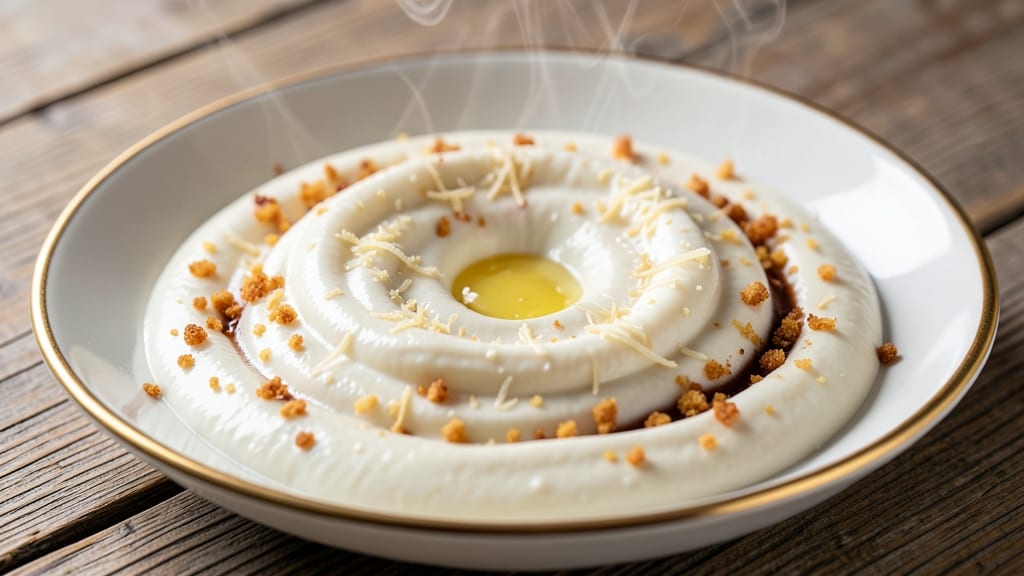
This Alfredo sauce recipe with cream cheese and heavy whipping cream delivers restaurant-quality richness in just 15 minutes—no complicated techniques required. The secret lies in blending cream cheese for velvety texture while heavy cream adds depth without breaking.
I developed this version after testing dozens of recipes, and it consistently delivers that ultra-smooth, clingy sauce that clings perfectly to pasta.
The foundation starts with a simple roux—equal parts butter and flour cooked until golden—before adding warm milk to prevent lumps. Cream cheese melts into the sauce while still warm, creating that signature creamy consistency without separation.
Heavy whipping cream rounds out the richness, while garlic and Parmesan add layers of flavor that elevate any dish.
What sets this sauce apart is its foolproof stability—it won’t curdle when tossed with hot pasta or reheated later. The result is a luxurious, velvety sauce with just the right balance of tangy creaminess and nutty Parmesan.
Perfect for fettuccine Alfredo, chicken parmesan, or even as a creamy dip for breadsticks.
For extra depth, stir in fresh herbs like parsley or basil at the end, or add a pinch of nutmeg for warmth. Store leftovers in the fridge for up to 5 days, or freeze for longer shelf life.
This sauce transforms simple ingredients into something truly special—every bite feels like a restaurant-quality meal.
Ingredients for alfredo sauce recipe with cream cheese and heavy whipping cream
Ten ingredients deliver restaurant-quality Alfredo sauce in record time—creamy, stable, and effortlessly rich.
| Ingredient | Amount | Notes |
|---|---|---|
| Unsalted Butter 🧈 | ½ cup | Cold, cubed for roux |
| All-Purpose Flour 🌾 | ½ cup | Diamond Crystal preferred |
| Whole Milk 🥛 | 2 cups | Warm for smooth blending |
| Cream Cheese 🧀 | 8 oz | Full-fat, Philadelphia brand |
| Heavy Whipping Cream 🥛 | 1 cup | Cold, full-fat preferred |
| Parmesan Cheese 🧀 | ¾ cup | Freshly grated, aged |
| Garlic Cloves 🧄 | 3 cloves | Peeled, minced finely |
| Nutmeg 🌿 | ¼ tsp | Freshly grated preferred |
| Salt 🧂 | ½ tsp | Diamond Crystal kosher |
| Black Pepper 🌶️ | ¼ tsp | Freshly cracked preferred |
The butter and flour ratio is non-negotiable for that signature roux. European-style butter like Plugrá or Land O'Lakes with 82% fat content creates the most stable emulsion. For flour, Diamond Crystal absorbs liquid differently than regular brands—use it or risk a gummy sauce. Warm the milk to 110°F before adding to the roux, which prevents lumps while ensuring a smooth blend. The cream cheese must be full-fat; low-fat versions will separate when heated. I always buy Philadelphia brand in 8oz blocks—it melts perfectly without graininess.
No heavy cream? Half-and-half with an extra tablespoon of butter mimics the richness, though texture will differ slightly. Substituting Parmesan? Pecorino Romano has a sharper bite that works well at a 1:1 ratio. Fresh nutmeg is essential—pre-ground loses potency quickly. For a dairy-free adaptation, cashew cream (soaked cashews blended with water) replaces both cream cheese and heavy cream, though the sauce will be lighter. The garlic should be minced to a paste consistency; pre-minced jarred garlic has a metallic aftertaste that ruins the delicate balance.
This sauce reheats beautifully—simmer gently over low heat, stirring constantly to prevent curdling. For maximum stability, store in a glass jar with a tight seal; plastic containers can absorb odors. Keeps 5 days refrigerated and 3 months frozen when portioned into ice cube trays before transferring to a freezer bag. Always reheat slowly—microwaving causes separation. The sauce thickens as it cools, so thin with a splash of warm milk if needed before serving. Freshly grated Parmesan should be added just before use to preserve its aroma.
Why You'll Love This Recipe
- Same sauce, endless uses: toss with fettuccine for a 20-minute dinner, slather on garlic bread for game day, or drizzle over grilled chicken. I’ve even used it as a pasta bar dip—because why not? It’s the kind of recipe that works when you’re exhausted or pretending to impress guests.
- No-Fuss Roux Magic: I swear by this sauce because the butter-flour roux happens in one pan—no extra bowls, no mess. Just melt the butter, toss in flour, stir until it smells like heaven, then pour in the milk while whisking like my life depends on it. (Spoiler: It doesn’t, but the sauce does.)
- Creamy Luxe, Zero Guilt: That cream cheese? It’s the secret weapon—smooths out the richness while keeping it actually creamy, not greasy. And the heavy whipping cream? Oh, it’s worth every calorie. Honestly, my picky eaters (yes, even my teenage son) polish their plates.
- Weeknight to Dinner Party: Same sauce, endless uses: toss with fettuccine for a 20-minute dinner, slather on garlic bread for game day, or drizzle over grilled chicken. I’ve even used it as a pasta bar dip—because why not? It’s the kind of recipe that works when you’re exhausted or pretending to impress guests.
Step-by-step instructions for ultra-smooth Alfredo sauce
This method delivers velvety, restaurant-quality Alfredo with a perfect balance of richness and creaminess.
🍳 Step 1: Create a Golden Roux
Melt the 0.5 cup unsalted butter in a medium saucepan over medium-low heat. Once fully melted, reduce heat to low and gradually whisk in the 0.5 cup all-purpose flour. Cook for 2-3 minutes, stirring constantly, until the mixture turns a deep golden brown color—this is your roux. The key here is patience; a pale roux will make your sauce taste raw and floury, while a dark brown roux adds depth of flavor. If it starts to brown too quickly, reduce the heat further.
This roux serves as the flavor foundation for your sauce. The low heat prevents burning while developing the Maillard reaction, which creates those complex, nutty notes that elevate a simple Alfredo. Keep the heat steady and whisk continuously to avoid any lumps forming.
🍳 Step 2: Gradually Incorporate Warm Milk
Slowly pour in the 2 cups warm whole milk while whisking vigorously to prevent lumps. The milk should be warm (around 110-115°F) to help dissolve the roux completely. Once all the milk is added, increase heat to medium-low and continue whisking for 5-7 minutes until the mixture thickens noticeably. You'll see the sauce transform from a thin liquid to a smooth, creamy consistency that coats the back of a spoon.
This gradual incorporation is crucial—adding cold milk too quickly can cause the roux to seize up and create lumps that are nearly impossible to fix. The warm milk also helps emulsify the sauce, creating that signature silky texture. Stir frequently to ensure even heating throughout.
🍳 Step 3: Add Cream Cheese and Heavy Whipping Cream
Reduce heat to low and gradually add the 8 oz cream cheese, whisking continuously until fully melted and smooth. Then stir in the 1 cup cold heavy whipping cream and 0.75 cup freshly grated Parmesan cheese. The sauce should begin to thicken further as it incorporates these rich ingredients. If it becomes too thick, you can thin it slightly with a splash of warm milk later.
The cream cheese adds a velvety texture and prevents the sauce from becoming too heavy, while the heavy whipping cream enhances the richness. The Parmesan contributes a sharp, umami depth that balances the creaminess. Whisking constantly ensures these ingredients blend seamlessly without creating any graininess.
🍳 Step 4: Season and Simmer
Add the 3 minced garlic cloves, 0.5 tsp salt, 0.25 tsp black pepper, and 0.25 tsp freshly grated nutmeg. Stir well to combine, then increase heat to medium-low and let the sauce simmer for 3-5 minutes. Taste and adjust seasoning as needed—you may want to add a pinch more salt or pepper to taste. The nutmeg should be subtle, adding warmth without overpowering.
This simmering step allows all the flavors to meld together while ensuring the sauce reaches a perfect consistency. The garlic should infuse the sauce with a delicate aroma without becoming overpowering. Keep the heat gentle to prevent curdling or separation. If the sauce starts to thicken too much, thin it with a few tablespoons of warm milk.
🍽️ Step 5: Finish and Serve
Remove the sauce from heat and let it rest for 2-3 minutes to thicken slightly. Give it one final taste and adjust seasoning if necessary. Serve immediately over your choice of pasta, ensuring the sauce coats each strand beautifully. The sauce should be thick enough to cling to the pasta but still flow smoothly.
This sauce is best served fresh, as it continues to thicken slightly as it cools. The ultra-smooth texture and rich flavor make it perfect for fettuccine Alfredo, chicken Parmesan, or even as a creamy dip. The combination of cream cheese and heavy whipping cream creates a luxurious mouthfeel that elevates this classic sauce to new heights.
Pro Tips For Making Alfredo Sauce Recipe With Cream Cheese And Heavy Whipping Cream
- Melt Butter Slowly: Start with cold butter cubes—toss them into the pot before heating the milk. This prevents butter from burning while the flour toasts, which is the thing that matters most for that nutty, rich base. I learned this the hard way after one batch tasted like a charred campfire.
- Cut Cream Cheese Cold: Use frozen cream cheese straight from the fridge—it blends smoother and won’t turn the sauce greasy. Skip the room-temperature step; your sauce will stay velvety, not soupy. (Yes, even if you’re impatient like me.)
- Whisk Like You Mean It: After adding the heavy cream, give it a solid 30 seconds of vigorous whisking before tasting. This breaks up the cream cheese fully and prevents those annoying lumps that ruin the texture. Does it look weird? Yes. Does it work? Every single time.
- Finish with a Splash: Reserve 2 tablespoons of milk before adding it to the roux—stir it in at the very end. This keeps the sauce from curdling when you add the cream cheese later. I skip this when I’m lazy, but the dish is noticeably better when I don’t.
Essential equipment for alfredo sauce recipe with cream cheese and heavy whipping cream
Medium Saucepan
Your medium saucepan is the workhorse of this recipe—look for one with a 3-quart capacity and smooth, even heating to prevent hot spots. I swear by All-Clad stainless steel for its durability and heat distribution, but a Calphalon non-stick works beautifully if you prefer easy cleanup.
Avoid cheap aluminum pans—they heat unevenly and can cause the sauce to scorch at the edges while staying raw in the center. 🔥
Whisk Attachment
A balloon whisk with a long handle is essential for creating that ultra-smooth texture. My go-to is the OXO Good Grips silicone whisk—it’s gentle on your hands and reaches every corner of the pan.
For professional results, consider a French whisk (like Mercer Culinary) for its wire loops that cut through ingredients more efficiently. If you don’t have one, a sturdy wooden spoon works in a pinch, but you’ll need to stir more vigorously to avoid lumps.
Fine-Mesh Strainer
If you’re using block cream cheese or aged Parmesan, a fine-mesh strainer is a game-changer. I use a Mesh King for its durability and tight weave—it catches any gritty bits from the cheese while letting the smooth sauce pass through.
For freshly grated Parmesan, this step ensures no clumps ruin your silky texture. Skip it only if you’re using pre-shredded cheese (though I’d still recommend grating your own for better flavor).
Instant-Read Thermometer
An instant-read thermometer (like the Thermoworks ThermoPop) helps you nail the warm milk temperature—aim for 110-115°F before adding it to the roux. This precision prevents lumps and ensures a smooth emulsion.
It’s also handy for checking the internal temperature of your sauce during simmering to avoid overheating. Trust me, this small investment saves you from scratchy, grainy sauce disasters. 🌡️
Rubber Spatula
A heat-resistant silicone spatula (I love the OXO Good Grips) is your best friend for scraping every last bit of sauce from the pan. Its flexible edge gets into tight corners where whiskes can’t reach, ensuring no flavor or texture is left behind.
Avoid metal spatulas—they can scratch non-stick pans or even react with acidic ingredients over time. Pro tip: Use it to stir the roux for a silky-smooth finish.
Glass Storage Jars
For leftovers, glass jars with airtight lids (like Ball mason jars) are a must. They preserve the sauce’s freshness and prevent odors from seeping in. I store my Alfredo in 16-ounce jars—perfect for portioning out meals.
If you’re freezing, transfer the sauce to freezer-safe glass containers or silicone ice cube trays for easy single-serving portions. Plastic containers can absorb flavors and degrade over time, compromising your sauce’s quality. ❄️
Nutrition facts
Frequently asked questions
Why does this recipe use both cream cheese and heavy whipping cream?
The cream cheese adds a velvety, ultra-smooth texture that prevents the sauce from becoming too heavy, while the heavy whipping cream enhances richness and depth. Together, they create a luxurious mouthfeel that clings perfectly to pasta without curdling. The combination also balances the tanginess of cream cheese with the creamy sweetness of heavy cream.
Can I make this sauce without a roux?
You can try, but the roux is essential for that signature Alfredo texture. Without it, the sauce will be thinner and lack the rich, nutty depth. For a quick alternative, whisk 2 tablespoons butter and 2 tablespoons flour into warm milk first, then proceed with the recipe. The result won't be as stable or flavorful, but it’ll still work in a pinch.
How do I prevent the sauce from separating when reheating?
Always reheat the sauce over low heat while stirring constantly. Adding a splash of warm milk or a pat of butter can help re-emulsify any separated areas. Never microwave it—this causes curdling. For extra stability, stir in 1 tablespoon cornstarch mixed with 2 tablespoons cold water while reheating.
What’s the best pasta to pair with this sauce?
This ultra-smooth sauce works best with wide, flat noodles like fettuccine or tagliatelle, which catch the sauce beautifully. For extra indulgence, try pappardelle or even chicken tenders for a creamy dip. Avoid thin spaghetti—the sauce will slide right off!
Can I substitute cream cheese with something else?
For a dairy-free version, blend 1 cup soaked cashews with ½ cup water until smooth, then use it in place of both cream cheese and heavy cream. For a lighter texture, replace half the cream cheese with ½ cup sour cream—it adds tang but reduces richness. Never use low-fat cream cheese; it won’t melt properly and will cause separation.