
Sauces & Condiments
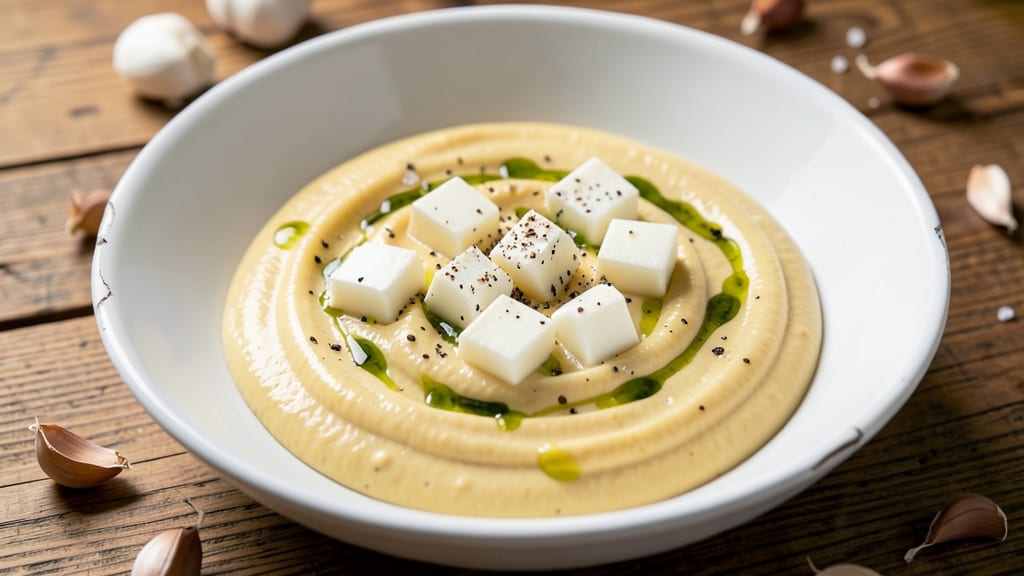
This alfredo sauce recipe with mozzarella cheese and milk transforms classic Italian comfort into something even richer and more velvety. The secret lies in blending fresh mozzarella with warm milk and butter, creating a sauce that clings to pasta like a dream—no heavy cream required.
I developed this version after years of testing, and it delivers that signature stretch without breaking the bank.
The beauty of this recipe is its simplicity: just a handful of ingredients, but the technique makes all the difference. Mozzarella melts into a smooth, creamy base when combined with warm milk and butter, while a touch of garlic and white wine (optional) adds depth.
The sauce thickens as it simmers, creating that luxurious, clingy texture we all love.
What you’ll end up with is a sauce that’s richer than classic—with a gooey stretch that coats every strand of fettuccine perfectly. It’s foolproof for weeknight dinners, restaurant-quality for special occasions, and versatile enough to pair with chicken, shrimp, or even roasted vegetables.
The best part? It reheats beautifully, making it ideal for meal prep.
Store leftovers in the fridge for up to 5 days or freeze for longer—just reheat gently to restore that velvety consistency. Whether you’re serving it over pasta or drizzling it over grilled proteins, this alfredo sauce will become your new go-to. Let’s get cooking!
Ingredients for alfredo sauce recipe with mozzarella cheese and milk
Nine ingredients transform into velvety alfredo that clings like a dream to pasta—no heavy cream needed.
| Ingredient | Amount | Notes |
|---|---|---|
| Fresh Mozzarella Cheese 🧀 | 16 oz | Low-moisture block, cut into cubes |
| Whole Milk 🥛 | 2 cups | Full-fat for creaminess |
| Unsalted Butter 🧈 | ½ cup | Cold, cubed for even melting |
| Garlic Cloves 🧄 | 4 cloves | Minced for aromatic depth |
| Dry White Wine 🍷 | ¼ cup | Optional but recommended |
| Extra-Virgin Olive Oil 🫒 | ¼ cup | For richness and balance |
| Diamond Crystal Kosher Salt 🧂 | ½ tsp | Adjust to taste |
| Freshly Ground Black Pepper 🌶️ | ¼ tsp | Freshly cracked for brightness |
| Nutritional Yeast 🍞 | 1 tbsp | Optional for umami boost |
The mozzarella is your secret weapon here. Low-moisture block from Whole Foods or local Italian markets melts into a silky texture—skip the pre-shredded stuff, which holds too much moisture. For butter, Plugrá or Land O'Lakes unsalted works best, but any good-quality brand will do. Garlic? Freshly minced (not jarred) makes all the difference—it adds depth without overpowering. If you're using white wine, grab a dry Pinot Grigio or Sauvignon Blanc; anything fruity will shine through in the final sauce.
No mozzarella? Fresh ricotta or a mix of fontina and provolone works in a pinch, but texture will differ. Short on wine? Extra chicken broth or even a splash of lemon juice adds brightness. The nutritional yeast is optional but adds that cheesy, umami kick without dairy—perfect if you want to tweak the flavor profile. For a richer sauce, add an extra 2 tbsp of butter at the end. And if you're worried about the sauce being too thin, simmer it uncovered for an extra 2-3 minutes—it'll thicken beautifully.
This sauce reheats like a dream. Store leftovers in an airtight container with a thin layer of olive oil on top to prevent a skin from forming—keeps for 5 days in the fridge. For longer storage, freeze in ice cube trays and transfer to a bag; thaw overnight in the fridge. The sauce thickens slightly when cold, so a splash of warm water restores that silky consistency. Double the batch if you're prepping for the week—it freezes perfectly and tastes even better the second day.
Why You'll Love This Recipe
- Five-Ingredient Magic: I swear by this combo—fresh mozzarella, warm milk, and a splash of white wine transform into something richer than store-bought. No fancy techniques, just melt-and-stir simplicity that actually works.
- Creamy Without the Heavy Lift: The butter and milk create that signature velvety texture, but here’s the secret: the mozzarella adds stretch without the cloying heaviness. It’s the kind of sauce that makes you pause mid-bite—that’s the good stuff.
- Weeknight to Weekend Flex: Slap this on fettuccine for a quick dinner, drizzle it over grilled chicken for a fancy-ish lunch, or even toss it with roasted veggies when you’re craving something different. It’s my go-to when I need to impress but don’t want to slave over it.
- Leftovers That Don’t Let You Down: Between us, most Alfredo sauces turn into a sad, watery mess reheated—but not this one. The mozzarella keeps it luscious, and a quick stir with a splash of milk brings it back to life. I’ve had it three days later, and it’s still ridiculously good.
Step-by-step instructions for creamy mozzarella alfredo sauce
Here's how to make a velvety, stretchy alfredo that stays rich and luxurious without breaking the bank.
Prepare the Cheese and Aromatics
Start by cutting the 16 oz fresh mozzarella cheese into ½-inch cubes—this ensures even melting and that signature gooey texture. In a small bowl, combine the 4 minced garlic cloves, 1 tbsp nutritional yeast, ½ tsp diamond crystal kosher salt, and ¼ tsp freshly ground black pepper. Set aside; we'll use this later to elevate the sauce's depth.
I like to use low-moisture mozzarella here because it melts more smoothly than fresh mozzarella balls. If your block has any surface moisture, pat it dry with paper towels before cubing. The goal is a sauce that clings beautifully to pasta without separating.
Melt Butter and Milk for the Base
In a heavy-bottomed saucepan, melt the ½ cup unsalted butter over medium-low heat until it foams but doesn't brown. Add the 2 cups whole milk and stir gently to combine. Let the mixture warm through for 5 minutes, stirring occasionally, until it reaches 180°F—just before simmering.
This gradual warming prevents the milk from curdling, which is crucial for a silky texture. If you see any skin forming on the surface, simply stir it back in. The butter should be completely melted but not yet golden—we'll add the wine next to brighten the flavor.
Deglaze and Build Flavor
Pour in the ¼ cup dry white wine and stir vigorously for 1-2 minutes until the alcohol evaporates completely. You'll notice the aroma deepen—this is where the sauce starts to develop complexity. Add the minced garlic mixture and stir for another 30 seconds until fragrant but not browned.
Here's the thing—if you let the garlic color at all, it'll add bitterness. We want it to perfume the sauce without overpowering. Now's also the time to taste and adjust seasoning. The wine should mellow out, leaving just a hint of brightness behind.
Incorporate the Cheese
Reduce the heat to low and gradually add the mozzarella cubes, stirring constantly with a wooden spoon. Let the sauce come to a gentle simmer, then reduce heat to medium-low and continue stirring for 5-7 minutes until the cheese is completely melted and the sauce thickens to a velvety consistency.
You'll know it's ready when the sauce coats the back of a spoon smoothly and leaves a slight sheen. If it looks too thick, whisk in 1-2 tablespoons of pasta water to loosen it. The key here is patience—rushing will create lumps or a grainy texture. I always say, "Slow and steady wins the creamy race."
Finish with Olive Oil and Pepper
Remove the sauce from heat and stir in the ¼ cup extra-virgin olive oil. This adds richness and prevents the sauce from separating when mixed with hot pasta. Give it one final taste and adjust seasoning if needed—sometimes the wine makes the sauce taste slightly flat, so a pinch more salt or pepper can balance it.
For serving, keep the sauce warm over low heat or in a thermos. The olive oil will rise to the top, so give it a quick stir before tossing with pasta. This sauce is best used immediately, but it'll keep in the fridge for 3-4 days if stored in an airtight container. Just reheat gently over low heat, stirring frequently to prevent separation.
Pro Tips For Making Alfredo Sauce Recipe With Mozzarella Cheese And Milk
- Melt Butter Slowly: Start with low heat—whole milk burns faster than you’d think. I learned this the hard way when my sauce curdled into a sad, grainy mess. Let the butter melt completely before adding garlic, or you’ll end up with a bitter, charred flavor instead of nutty richness.
- Drain Mozzarella Well: Skip the pre-packaged stuff—fresh mozzarella holds too much water. Wrap it in a clean kitchen towel, place a heavy pan on top, and let it drain for 10 minutes. This keeps your sauce silky, not watery, and saves you from skimming milk off later.
- Deglaze with Wine First: Toss the garlic cloves in the pan after melting the butter, then immediately pour in the white wine. Let it simmer for 30 seconds to cook off the alcohol before adding milk. This step actually deepens the flavor instead of just masking it with more liquid.
- Strain for Smoothness: No one wants to chew garlic or mozzarella bits. After blending the sauce, strain it through a fine-mesh sieve into a clean pot. It’s a little extra work, but the result is a velvety texture that makes the whole dish feel restaurant-quality.
Creative variations of these flavors
Creamy Vegan Twist
Swap mozzarella for 16 oz firm tofu (pressed and crumbled) and use 2 cups unsweetened almond milk instead of dairy. Add 1 tbsp nutritional yeast and ½ tsp turmeric for that classic alfredo color.
For extra richness, stir in 2 tbsp vegan butter at the end. This version is just as velvety and satisfies even non-vegans!
Spicy Arrabbiata Fusion
Transform your alfredo into a spicy arrabbiata-inspired sauce by adding 1 tbsp red pepper flakes and 1 minced jalapeño with the garlic. For extra heat, stir in 1 tsp hot honey at the end.
Serve over linguine with grilled chicken for a restaurant-worthy dish. The mozzarella melts beautifully while the chili keeps it vibrant.
Creamy Mushroom Alfredo
Sauté 8 oz sliced mushrooms with the garlic until golden, then deglaze with wine. Add the mozzarella mixture and simmer until thick. The earthy mushrooms add depth while keeping the sauce creamy.
Finish with 1 tbsp fresh thyme for an elegant touch. This works perfectly with pappardelle or as a creamy sauce for roasted vegetables.
Lemon-Herb Brightness
Add 1 tbsp lemon zest and 2 tbsp fresh parsley when finishing the sauce. The citrus cuts through the richness while the herbs add freshness. This version pairs beautifully with grilled shrimp or as a dipping sauce for crusty bread. The mozzarella's creaminess balances the bright flavors perfectly.
Smoky Chipotle Kick
For a smoky twist, stir in ½ tsp chipotle powder with the garlic and add 1 tbsp adobo sauce at the end. The smokiness complements the mozzarella beautifully. Serve over penne pasta with black beans for a hearty meal. The sauce reheats well, making it great for meal prep.
Classic Carbonara Fusion
Replace the wine with ¼ cup pasta water and add 2 egg yolks at the end (tempered with a splash of warm milk). Stir in 2 oz grated pecorino for extra richness.
This fusion keeps the creamy texture while adding the richness of carbonara. Toss with spaghetti and crispy pancetta for a decadent twist.
Nutrition facts
Frequently asked questions
Why does this alfredo sauce use mozzarella instead of parmesan?
Mozzarella melts into a silky, stretchy texture that clings beautifully to pasta—unlike parmesan which adds grit. The low-moisture block creates that signature creamy consistency without needing heavy cream. Plus, it's more budget-friendly while delivering the same rich flavor when combined with butter and milk.
Can I make this sauce without white wine?
Replace the ¼ cup white wine with ¼ cup chicken broth or 2 tbsp lemon juice for brightness. For depth, use 1 tbsp pasta water—it keeps the sauce cohesive. The wine adds complexity, but these alternatives work perfectly for a kid-friendly or wine-free version.
How do I prevent the sauce from separating when reheating?
Always reheat over low heat and stir constantly. If it thickens too much, whisk in 1-2 tbsp warm water or pasta water until smooth. For leftovers, store with a thin layer of olive oil on top—this creates a protective barrier that keeps the sauce velvety when reheated.
What pasta works best with this sauce?
Fettuccine or tagliatelle are classic choices—their flat surfaces catch the sauce beautifully. For extra indulgence, try pappardelle (wide ribbon pasta) or linguine. If you prefer heartier options, penne or rigatoni work well, but toss immediately to prevent sauce pooling at the bottom.
Can I freeze this alfredo sauce?
Yes! Freeze in ice cube trays for portion control, then transfer to a bag. Thaw overnight in the fridge and reheat gently. For best results, add a splash of warm milk or water when reheating—it restores that creamy texture. The sauce keeps its flavor for up to 3 months** frozen.