
Beverages
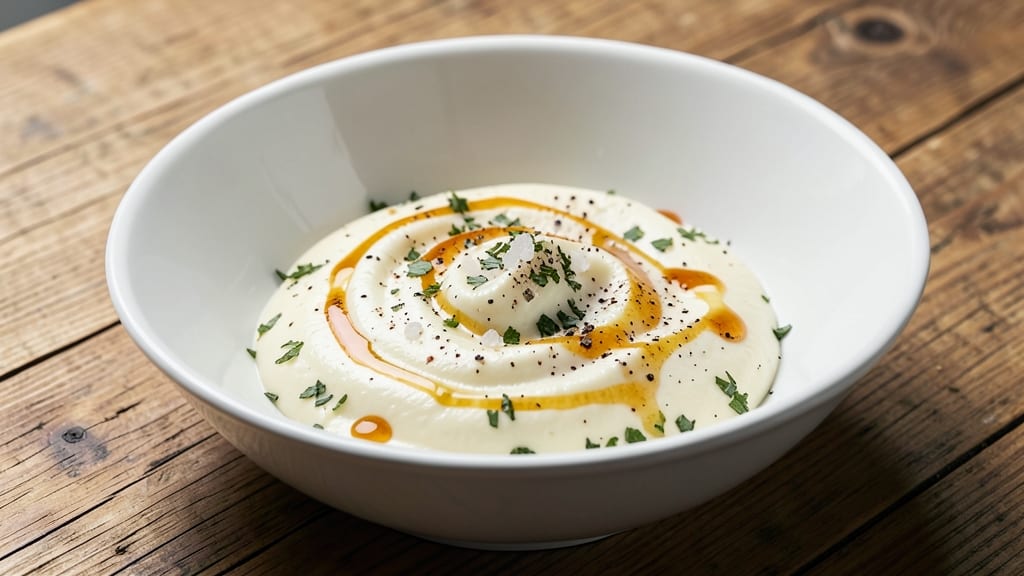
This almond milk cheese recipe transforms plant-based ingredients into a velvety, rich alternative that melts beautifully and satisfies even cheese lovers. 💛 The secret lies in blending almond milk with tapioca starch and nutritional yeast to create a texture and depth that rivals traditional dairy cheese—without the compromise of flavor.
What sets this recipe apart is its versatility—perfect for mac and cheese, sauces, or even as a spreadable cheese. The process is straightforward: blend the ingredients until smooth, then cook until thickened to achieve that signature creamy consistency.
No special equipment is needed, just a few pantry staples and patience for the perfect result.
By the end, you'll have a cheese that's rich, tangy, and velvety, with a subtle nutty undertone from the almond milk. It's ideal for those following a vegan diet or simply looking to explore plant-based alternatives without sacrificing taste or texture.
The best part? This recipe scales effortlessly, making it perfect for meal prep or feeding a crowd. Whether you're coating pasta, topping toast, or melting into a grilled cheese, the possibilities are endless.
Ingredients for almond milk cheese
Nine plant-powered ingredients transform into a velvety, restaurant-quality almond milk cheese.
| Ingredient | Amount | Notes |
|---|---|---|
| Unsweetened Almond Milk 🥛 | 1 ½ cups | High-fat preferred for richness |
| Tapioca Starch 🍠 | ½ cup | Instant or quick-cooking variety |
| Nutritional Yeast 🧀 | ½ cup | Fortified for cheesy flavor |
| White Vinegar 🍶 | 1 tbsp | For tangy depth |
| Salt 🧂 | 1 tsp | Diamond Crystal preferred |
| Ground Black Pepper 🌶️ | ½ tsp | Freshly ground for aroma |
| White Misopaste 🍶 | 1 tbsp | For extra umami |
| Extra-Virgin Olive Oil 🫒 | 2 tbsp | For smooth texture |
| Garlic Powder 🧄 | ½ tsp | Enhances savory notes |
| Onion Powder 🧅 | ½ tsp | For subtle depth |
| Turmeric Powder 🌿 | ¼ tsp | For vibrant color |
| Creamy Coconut Milk 🥥 | ¼ cup | For added creaminess |
Almond milk is the star—high-fat varieties like Silk or So Delicious give the best texture. Trader Joe's carries an excellent organic option, and Costco sells it in bulk for better value. Nutritional yeast is non-negotiable for that authentic cheesy flavor; Bragg or Bob's Red Mill are top-tier choices. The tapioca starch is your secret weapon for that melt-in-your-mouth consistency—Bob's Red Mill makes the best instant variety. For the vinegar, apple cider vinegar works too, but white vinegar keeps things neutral. If you're feeling fancy, add a pinch of smoked paprika for depth.
No tapioca starch? Arrowroot powder at the same amount works in a pinch, though texture may be slightly firmer. Running low on nutritional yeast? Dried mushrooms at half the quantity add earthy notes. The coconut milk is optional but worth it for ultra-creamy results—skip it if you're watching calories. For a sharper tang, lemon juice instead of vinegar adds brightness. Prefer a milder flavor? Reduce the garlic powder to 0.25 tsp—it's potent stuff. The olive oil should be extra-virgin; anything less tastes like cooking oil in comparison.
This cheese keeps beautifully—5-7 days in the fridge sealed tightly in an airtight container. For longer storage, freeze in 1-tbsp portions for easy melting later. Thaw overnight in the fridge before using. The texture thickens as it cools, so reheat gently with a splash of almond milk if it gets too firm. Perfect for grilled cheese sandwiches, pasta bakes, or even as a creamy dip. Make a double batch—it disappears faster than you'd think!
Why You'll Love This Recipe
- Here’s what sold me: I make a big batch on Sundays, and it lasts all week. The tapioca starch thickens it just enough to reheat smoothly, and the vinegar keeps it from getting grainy. Plus, almond milk is cheaper than cow’s milk for me, so I’m saving cash while still getting that creamy, melty satisfaction.
- Pantry Magic: I swear by this recipe because it turns five ingredients I already have into something that melts like real cheese. No special trips to the store—just almond milk, a spoonful of tapioca starch (the secret for that stretchy texture), and a pinch of nutritional yeast for that umami kick.
- Umami Bomb: Honestly, the nutritional yeast is where this cheese goes from "okay" to "oh my god." That tangy, cheesy depth makes it perfect for sprinkling on soups, pasta, or even straight from the spoon—yes, I’ve done it. The white vinegar adds just enough sharpness to cut through the richness, so it’s never one-note.
- Everyday Upgrade: Between us, this is my go-to for quick mac and cheese, veggie stir-fries, or even as a topping for baked potatoes. It’s the kind of cheese that doesn’t demand a fancy occasion—it just works. And because it’s dairy-free, it’s a lifesaver for guests with dietary restrictions without skipping a beat.
Step-by-step instructions for almond milk cheese
This plant-based cheese delivers restaurant-quality richness with just a few simple techniques.
👨🍳 Step 1: Whisk the Almond Milk and Vinegar Base
In a medium saucepan, combine the 1.5 cups unsweetened almond milk and 1 tbsp white vinegar. Heat over medium heat until the mixture reaches 180°F—you'll see it start to bubble gently and develop a slightly curdled appearance. This acidification step is crucial for creating that authentic cheesy tang.
Here's the thing—don't walk away. You want to maintain gentle heat to prevent scorching. Once you see the mixture thicken slightly and develop a slightly opaque, custard-like consistency, remove it from heat immediately. This takes about 5-7 minutes total. The vinegar will curdle the milk proteins, forming the foundation for our cheese texture.
🍳 Step 2: Create the Thickening Slurry
In a separate bowl, whisk together the 0.5 cup tapioca starch, 0.5 cup nutritional yeast, 1 tbsp white misopaste, 2 tbsp extra-virgin olive oil, 0.5 tsp garlic powder, 0.5 tsp onion powder, 0.25 tsp turmeric powder, 1 tsp salt, and 0.5 tsp ground black pepper. This dry blend is where all the flavor magic happens—nutritional yeast gives that cheesy depth, while the spices enhance the umami profile.
Gradually whisk in the 0.25 cup creamy coconut milk to create a smooth paste. The coconut milk adds richness that balances the earthiness of the almond milk. This slurry should be thick but pourable—like heavy cream consistency. If it's too stiff, add 1-2 tablespoons of water to loosen it slightly. This mixture will be our cheese's structural backbone.
🥘 Step 3: Combine and Cook to Velvety Perfection
Return the heated almond milk mixture to low heat and slowly pour in the starch slurry while whisking continuously. This gradual addition prevents lumps and ensures even distribution. You'll notice the mixture thicken dramatically as the starch activates—keep whisking vigorously for 3-5 minutes until it reaches a thick, spreadable consistency that coats the back of a spoon.
Here's where patience pays off: let the cheese cook for an additional 2 minutes while stirring constantly. You're looking for a texture that's smooth, glossy, and slightly elastic—like soft goat cheese. If it's too thin, cook another minute; if too thick, whisk in 1 tablespoon of water at a time until perfect. The turmeric will give it that beautiful golden hue, while the olive oil keeps it luxuriously smooth.
⏰ Step 4: Rest for Optimal Texture
Transfer the cheese to a heatproof bowl and let it cool at room temperature for 15 minutes. This resting period allows the starch to fully set and the flavors to meld. I know it's tempting to dig in immediately, but resisting gives you that perfect creamy yet firm texture—like a cross between ricotta and brie.
For best results, cover the bowl with plastic wrap pressed directly against the surface to prevent a skin from forming. Once cooled, your cheese should be spreadable but not runny, with a slightly tangy, umami-rich flavor profile. Store any leftovers in an airtight container in the refrigerator for up to 5 days, though it's so good you'll likely use it all up!
Pro Tips For Making Almond Milk Cheese
- Whisk the starch first: Mix the tapioca starch with a splash of cold almond milk before adding it to the hot liquid. I learned this the hard way—dumping dry starch straight into the pot clumps like glue and ruins the texture. A 1:1 ratio (1 tbsp starch to 1 tbsp milk) works perfectly.
- Use room-temperature milk: Cold almond milk thickens unevenly and can curdle when heated. Let the carton sit out for 10 minutes before measuring—your cheese will set smoother and avoid that grainy, lumpy texture that kills the creamy finish.
- Acidify gradually: Add the white vinegar slowly while stirring constantly. I used to dump it all at once, and the mixture would split like a bad custard. Start with half the amount, wait 2 minutes, then add the rest—this keeps the curds consistent.
- Strain for smoothness: Line your strainer with a damp cheesecloth (not paper towels) and press gently for 5 minutes. Skipping this step leaves behind fine starch particles that make the cheese taste chalky. Pressing also removes excess liquid for a firmer, more spreadable result.
Storing and reheating this recipe
Fridge Storage Tips
Store your almond milk cheese in an airtight container with a lid pressed tightly to prevent any air exposure. I use glass Pyrex containers because they keep the cheese fresh longer and don’t absorb odors.
The cheese will thicken slightly as it cools, so let it sit at room temperature for 10 minutes before transferring to avoid spills. Once chilled, it’ll hold its shape beautifully for 5-7 days—perfect for meal prep. 💛
Freezing for Later Use
For longer storage, portion the cheese into 1-tablespoon servings using silicone molds or ice cube trays. Freeze flat for easy stacking, and transfer to a ziplock bag once solid. Thaw overnight in the fridge—never microwave directly from frozen to avoid graininess.
The texture remains creamy but may separate slightly; stir in 1 teaspoon of almond milk to restore smoothness before using.
Reheating Methods
To reheat, place the cheese in a small saucepan with 1-2 tablespoons of almond milk and warm over low heat while stirring constantly. Avoid high heat—it can turn grainy. For quick fixes, microwave 15-second bursts at 50% power, stirring between each interval.
If the cheese thickens too much, whisk in ½ tablespoon of water at a time until silky again.
Grill-Friendly Cheese
This cheese melts beautifully on grilled cheese sandwiches or veggie burgers. Spread a thin layer on toasted bread with avocado slices or tomato for a gourmet twist.
For extra crispiness, use a nonstick skillet and cook over medium-low heat until golden brown. The turmeric gives it a stunning color that’ll impress even non-vegans. ✨
Avoiding Common Mistakes
Never skip the resting period—rushing causes the cheese to separate. If it splits, whisk in 1 teaspoon of olive oil to re-emulsify. For a smoother texture, strain through a fine-mesh sieve after cooking.
And if it tastes too tangy? Reduce the vinegar to ½ tablespoon next time. Small tweaks make all the difference!
Nutrition facts
Frequently asked questions
Can I make this almond milk cheese without tapioca starch?
Yes, but expect a firmer texture. Use arrowroot powder in the same amount—it works as a 1:1 substitute. For extra creaminess, add 1 extra tablespoon of coconut milk to the slurry. The cheese will still be delicious but may be slightly less spreadable.
Why does my almond milk cheese taste too tangy?
The vinegar creates the tang, but if it's overpowering, you can adjust next time. Reduce the white vinegar to ½ tablespoon or replace it with lemon juice for a brighter, less acidic flavor. For immediate fixes, stir in ½ teaspoon of maple syrup or agave to balance the sharpness.
Can I use this cheese for baking, like vegan lasagna?
This cheese melts beautifully in baked dishes. For lasagna, spread it between layers and bake at 375°F for 25-30 minutes until bubbly. To prevent separation, stir in 1 tablespoon of nutritional yeast before baking. It may firm up slightly when chilled but softens as it reheats.
How do I make this cheese extra creamy?
For a richer texture, increase the coconut milk to 0.5 cup or add 1 tablespoon of cashew butter to the slurry. Blend the cashew butter with the almond milk before heating for ultra-smooth results. Avoid overcooking—the cheese should never boil, or it’ll turn grainy.
Is this cheese safe for those with nut allergies?
No, this recipe contains almond milk and is not safe for nut allergies. For an allergy-friendly version, substitute the almond milk with oat milk or coconut milk and use arrowroot powder instead of tapioca starch. Always check labels to ensure no cross-contamination with nuts.