
Beverages
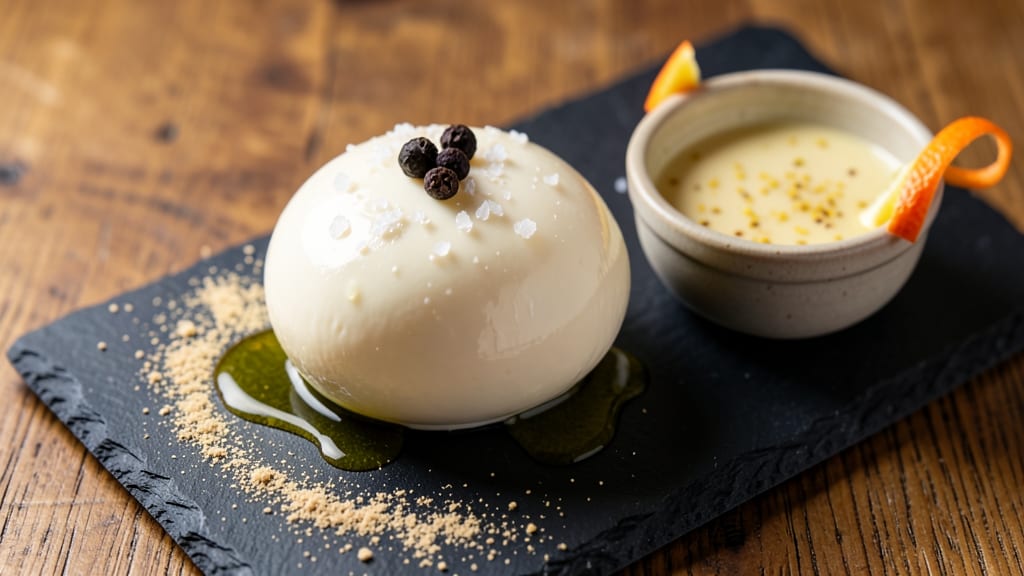
This almond milk mozzarella cheese recipe transforms humble almond milk into a creamy, stretchy, dairy-free cheese with a nutty depth and tangy bite that rivals traditional mozzarella.
The process starts with carefully curdling the almond milk using lemon juice and vinegar, then straining and kneading the curds into a smooth, workable texture—no dairy substitutes required. What makes this recipe special is how it mimics the classic cheese experience while keeping it entirely plant-based.
The key to success lies in the temperature control during curdling and the proper straining technique to remove excess liquid, ensuring your cheese holds its shape when melted or sliced.
Unlike store-bought vegan cheeses, this homemade version delivers that satisfying stretch and melt you crave, making it perfect for grilled cheese sandwiches, stuffed shells, or a vegan caprese salad. The nutty flavor from the almond milk adds a unique twist that pairs beautifully with tomatoes, basil, and balsamic glaze.
By the end, you’ll have a batch of versatile, dairy-free mozzarella that’s just as satisfying as the original—creamy when melted, firm when sliced, and packed with that tangy brightness.
Whether you’re vegan, lactose intolerant, or simply curious about plant-based cooking, this recipe proves you don’t need dairy to enjoy the classic flavors of mozzarella. Ready to make your own? Let’s get started.
This recipe also includes optional flavor variations, like garlic-infused or herb-blended mozzarella, so you can customize it to suit any dish. The best part? You’ll have full control over the ingredients, ensuring a clean, allergy-friendly cheese that’s free from additives. Here’s how to make it from scratch.
Ingredients for almond milk mozzarella cheese
Unsweetened almond milk and tangy acids kick off this dairy-free mozzarella transformation.
| Ingredient | Amount | Notes |
|---|---|---|
| Unsweetened Almond Milk 🥛 | 4 cups | Homemade or store-bought unsweetened |
| Lemon Juice 🍋 | ¼ cup | Freshly squeezed for acidity |
| Apple Cider Vinegar 🍎 | ¼ cup | For proper curdling |
| Nutritional Yeast 🧀 | ½ cup | For cheesy flavor, finely grated |
| Sea Salt 🧂 | 1 ½ tsp | Fine grain preferred |
| Garlic Powder 🧄 | 1 tsp | For optional flavor variation |
| Dried Basil 🌿 | 1 tsp | For herb-infused variation |
| Extra-Virgin Olive Oil 🫒 | 2 tbsp | For kneading and richness |
| Cheesecloth or Fine Mesh Strainer 🧼 | 1 piece | For straining curds |
| Ice Cubes ❄️ | 2 cups | For cooling curds |
| Filtered Water 💧 | ½ cup | For rinsing curds |
| Almond Flour 🌾 | ¼ cup | For optional thickening |
The almond milk is the star—unsweetened and homemade if possible for that nutty depth. I grab Silk or Blue Diamond unsweetened from the store when I'm short on time, but homemade has more richness. Fresh lemon juice and apple cider vinegar are non-negotiable for proper curdling; store-bought juice works but lacks that bright tang. The nutritional yeast is where the cheesy magic happens—Bob's Red Mill brand is my go-to, but any finely grated version works. For the cheesecloth, unbleached cotton works best—if you don't have it, a fine mesh strainer lined with paper towels does the trick.
No fresh lemon juice? Substitute with extra vinegar (1 tbsp more). Want more flavor? Add 1/2 tsp garlic powder or dried basil to the curds before kneading. The olive oil isn't just for flavor—it helps create that classic stretch. Use extra-virgin for best results. If your curds are too wet after straining, add 1-2 tbsp almond flour while kneading. For a firmer cheese, strain longer; for creamier, keep it shorter. The ice cubes are crucial—they help set the texture before kneading, so don't skip this step.
Knead the cheese over ice water for that perfect stretch. Store any extras in an airtight container with a damp paper towel—lasts 5-7 days in the fridge. For longer storage, wrap tightly in parchment and freeze for up to 3 months. Thaw overnight in the fridge before using. This cheese melts beautifully, so it's perfect for grilled cheese or pizza—just add it straight from the fridge for best results.
Why You'll Love This Recipe
- Pantry Magic: I swear by this one—no specialty store runs needed. You’re already stocking unsweetened almond milk and vinegar for smoothies; just toss in lemon juice and nutritional yeast, and boom, you’ve got a creamy, melty cheese that costs a fraction of store-bought.
- Tangy Creamy Dream: That first bite of warm, stretchy mozzarella with the bright tang from lemon juice and vinegar? It’s like a fresh caprese salad in every forkful. The nutritional yeast adds this nutty, umami depth that makes it way more interesting than basic vegan cheese.
- Caprese in Minutes: Slice it on toast with tomatoes and basil for brunch, melt it into pasta, or toss it into a grain bowl—it’s my go-to for anything needing a quick, cheesy upgrade. (Yes, even on a Tuesday night when I’m too tired to think.)
- No Waste, All Win: This recipe makes enough for leftovers, and the cheese keeps for days in the fridge. I’ve used the second batch in sandwiches, scrambled eggs, and even as a pizza topping—proof that a little goes a long way when it’s this versatile.
Step-by-step instructions for almond milk mozzarella cheese
Here's how to transform simple plant-based ingredients into a stretchy, tangy mozzarella that rivals dairy versions.
Acidify and Heat the Almond Milk Mixture
In a heavy-bottomed saucepan, combine the 4 cups unsweetened almond milk, 0.25 cup lemon juice, and 0.25 cup apple cider vinegar. Heat over medium heat while stirring gently with a wooden spoon. The mixture will begin to froth and develop a slightly tangy aroma—this is normal and indicates the acid is working to break down the proteins.
Continue heating until you reach 185°F (a candy thermometer is ideal here). You'll notice the mixture thicken dramatically and form soft, rubbery curds that separate from the liquid whey. Remove from heat immediately at this point—overheating will make the curds tough and difficult to work with later. The curds should be pliable but not firm, resembling cottage cheese in texture.
Strain and Rinse the Curds
Line a colander with the cheesecloth or fine mesh strainer and carefully ladle the hot curds into it, allowing the whey to drain completely. Let it drain for 5 minutes, then transfer the curds to a clean bowl. Here's where the magic happens: add the 0.5 cup nutritional yeast, 1.5 tsp sea salt, 1 tsp garlic powder, and 1 tsp dried basil to the warm curds. Mix thoroughly with your hands—this is the moment the flavors meld together.
While still warm, add the 2 tbsp extra-virgin olive oil and knead the mixture for 3-4 minutes until smooth and elastic. The oil adds richness and helps create that signature mozzarella stretch. If the mixture feels too sticky, sprinkle in 1 tablespoon of the almond flour at a time until it becomes workable but still pliable.
Cool and Shape the Cheese
Fill a large bowl with 2 cups ice cubes and 0.5 cup filtered water to create an ice bath. Divide the cheese mixture into 4 equal portions (about ½ cup each) and flatten each into a disc. Place these discs in the ice bath and let them cool for 10-15 minutes, stirring occasionally. This rapid cooling firms up the cheese while preserving its stretchy texture.
Once cooled, remove the cheese from the ice bath and wrap each portion tightly in plastic wrap. Let them rest at room temperature for 30 minutes—this final step allows the flavors to fully develop and the texture to become perfectly elastic. The cheese should now have that familiar mozzarella consistency: soft yet firm enough to hold its shape when stretched.
Test and Store Your Creation
To test your mozzarella, take one portion and gently stretch it between your palms under warm water. It should pull into long, thin strands that snap back when released—this is the signature stretch of authentic mozzarella. If it tears too easily, knead in an additional 1 teaspoon of almond flour and let it rest another 10 minutes. The cheese should keep in the refrigerator for up to 5 days or can be frozen for 1 month for later use.
This dairy-free mozzarella works perfectly in pizzas, caprese salads, or melted over pasta. The nutty almond flavor pairs beautifully with tomatoes and fresh basil, while the garlic and herb notes add depth. The tangy bite comes from that perfect balance of lemon juice and vinegar in the initial mixture—don't skip this step if you want that authentic mozzarella tang.
Pro Tips For Making Almond Milk Mozzarella Cheese
- Heat Slowly First: Start your almond milk on low heat—just enough to warm it without boiling. I learned this the hard way after scorching the bottom of my pot twice; the protein in the milk reacts fast, and you want it to gently unfold, not rush into curds.
- Strain Twice, Strain Right: Use a fine-mesh sieve lined with cheesecloth, then press the curds gently but firmly for 10 minutes. The first press gets most of the liquid, but the second squeeze—with a clean towel—removes the last bit of wetness that keeps your cheese from holding shape.
- Acid Balance Matters: Mix the lemon juice and apple cider vinegar before adding them to the warm milk. I used to add them separately, and the flavor ended up uneven—like a sour note in the middle of a smooth cheese. Equal parts (1 tbsp each for 2 cups milk) keeps the tang consistent.
- Salt Last, But Generously: Sprinkle the sea salt after the cheese has cooled to room temp—this lets the flavor bloom without drawing out moisture. Skip the pre-salting step; your cheese will taste flat if you do it too early, no matter how much you think you’re seasoning.
Wine and beer pairings for almond milk mozzarella cheese
Light White Wine
A crisp Italian Pinot Grigio or Vermentino complements the nutty almond flavor beautifully. The bright acidity cuts through the richness of the cheese, while its citrus notes mirror the lemon tang in your mozzarella. I recommend chilling the wine to 45-50°F—this temperature enhances its refreshing qualities. 🍷
Dry Rosé
For a slightly bolder pairing, try a Provence-style rosé with its strawberry and citrus undertones. The delicate floral notes harmonize with the herb-infused variations of your almond milk mozzarella. Look for one with 12-13% ABV to balance the cheese's richness. A 2019 Whispering Angel or Miraval would be perfect choices.
Hoppy Beer Options
If you prefer beer, a Belgian Witbier like Hoegaarden or Stella Artois works surprisingly well. The coriander and orange peel notes in these beers complement the almond's natural sweetness. Serve it well-chilled (38-42°F) to enhance the crisp, refreshing contrast. 🍺
Sparkling Wine
For a celebratory touch, serve with Prosecco or Cava. The effervescence cleanses your palate between bites, while the slight sweetness balances the tangy bite of the cheese. Opt for a dry or brut style to avoid overwhelming the almond milk's delicate flavor profile.
Non-Alcoholic Pairings
For a non-alcoholic option, try sparkling water with a splash of apple cider vinegar (just 1 tsp per glass) to echo the tangy notes in your cheese. Alternatively, a cucumber-mint infused water with 1 tbsp lime juice adds a refreshing contrast to the nutty richness. ✨
Nutrition facts
Frequently asked questions
Can I substitute almond milk with another plant-based milk?
While possible, almond milk works best due to its natural fat content and mild flavor. For a similar texture, try cashew milk (blend soaked cashews with water) or oat milk—both have enough body to create stretchy curds. Avoid soy milk (too protein-heavy) or rice milk (too thin). If substituting, reduce the acid (lemon/vinegar) by 10% since plant milks vary in acidity.
Why did my cheese turn out too rubbery or crumbly?
This usually happens from either overheating the curds (above 185°F) or insufficient kneading. For rubberiness, add 1 extra tbsp olive oil and knead another 2 minutes. For crumbly texture, strain longer (up to 10 minutes) and chill the curds in ice water before shaping. The key is balancing heat, straining time, and proper cooling—all three must be precise!
How do I make this cheese melt better for sandwiches or pizza?
For maximum meltability, add 1 tbsp tapioca starch to the warm curds before kneading—it creates a smoother, creamier texture. Also, store your cheese in the fridge until ready to use (cold cheese melts more evenly). When melting, use low heat (under 350°F) and cover the pan to trap steam. For extra gooeyness, blend in 1 tsp vegan butter during kneading.
Can I make this cheese without nutritional yeast?
Yes, but the flavor will be milder. Replace the 0.5 cup nutritional yeast with 1 tbsp miso paste (for umami depth) or 1 tsp white miso powder. For a cheesy taste without yeast, add 1 tbsp vegan parmesan powder and 0.5 tsp smoked paprika to the curds. The texture will still be great, but the flavor profile changes significantly—nutritional yeast is the secret weapon!
How can I use this cheese in dishes beyond grilled cheese?
This almond milk mozzarella shines in vegan lasagna (layer with marinara and cashew ricotta), stuffed shells (mix with breadcrumbs and herbs), or caprese salad (slice and top with tomato, basil, and balsamic glaze). For a fun twist, crumble it over pasta with aglio e olio or melt it into vegan mac and cheese for a nutty upgrade. The cheese also freezes beautifully for future pizzas!