
Snacks
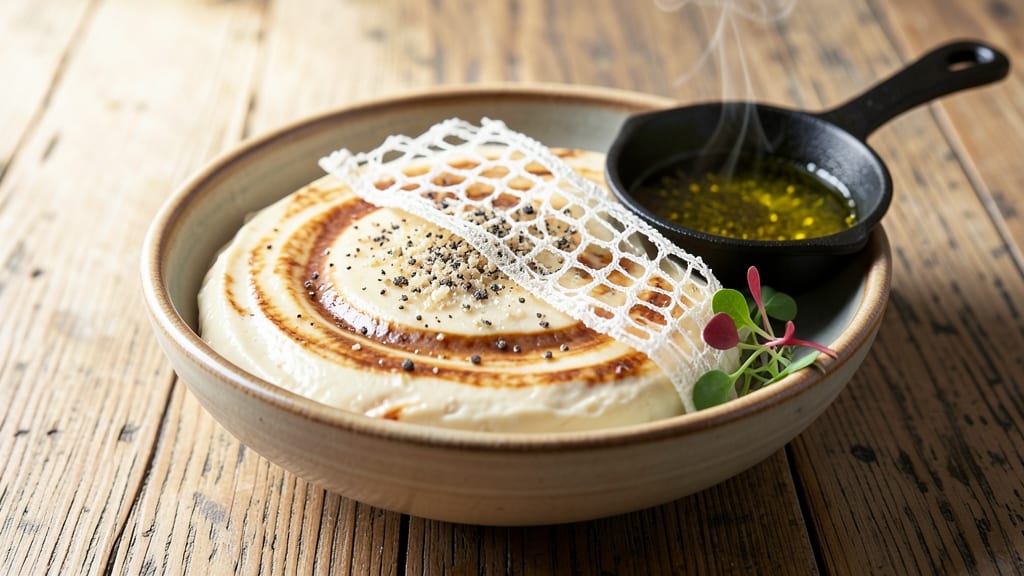
This almond pulp cheese recipe transforms humble almonds into a crispy-topped, nutty dairy-free spread that melts beautifully. The secret lies in blending almond pulp with tapioca starch and nutritional yeast, then baking until golden—creating a texture that mimics traditional cheese while delivering rich, earthy flavor.
I developed this recipe after struggling to find vegan cheese that could hold its own in melting applications.
The process is surprisingly straightforward: blend the almond pulp with warm water and seasonings, then spread it thinly on a baking sheet. Baking at 350°F for 15-20 minutes creates that coveted crispy crust while keeping the interior creamy.
The nutritional yeast adds that signature cheesy depth, while the tapioca starch helps bind everything together for a cohesive texture.
What makes this recipe shine is its versatility—use it as a meltable cheese for vegan mac and cheese, sprinkle it over pasta, or enjoy it straight from the fridge with crackers.
The crispy top adds satisfying texture with every bite, while the nutty flavor profile makes it perfect for both savory and slightly sweet applications. It stores well in the refrigerator for up to two weeks.
For best results, let the cheese cool completely before slicing or grating, as this helps maintain the crispy texture. If you're new to vegan cheese-making, this recipe is an excellent starting point—simple enough for beginners but impressive enough for any table.
Let's get started on creating your own dairy-free cheese masterpiece!
Ingredients for almond pulp cheese
Nine simple ingredients transform almond pulp into a crispy, meltable vegan cheese masterpiece.
| Ingredient | Amount | Notes |
|---|---|---|
| Almond Pulp 🌰 | 1 ½ cups | From almond butter or homemade |
| Tapioca Starch 🌾 | ¼ cup | For binding and crispiness |
| Nutritional Yeast 🧀 | ½ cup | For cheesy flavor |
| Warm Water 💧 | ½ cup | Just off boil |
| Salt 🧂 | 1 tsp | Kosher or sea salt |
| Garlic Powder 🧄 | ½ tsp | For savory depth |
| White Miso Paste 🥄 | 1 tbsp | For umami richness |
| Lemon Juice 🍋 | 1 tsp | Freshly squeezed |
| Extra-Virgin Olive Oil 🫒 | 1 tbsp | For moisture and richness |
| Turmeric Powder 🌿 | ¼ tsp | For color and earthiness |
| Black Pepper 🌶️ | ¼ tsp | Freshly ground preferred |
The almond pulp is the heart of this recipe—Trader Joe's or bulk bins at natural food stores offer the best quality. Look for pulp with a vibrant, golden color and minimal moisture. Tapioca starch is non-negotiable for that crispy top; Bob's Red Mill or Arrowhead Mills brands work perfectly. Nutritional yeast should be finely ground and free of additives—Bragg is my go-to for consistent results. The miso paste adds depth, so choose a high-quality white miso like Miso Master or Honten for authentic umami flavor. Fresh lemon juice brightens everything, so squeeze it just before mixing.
No almond pulp? Blend soaked almonds (1 cup soaked almonds = ~1.5 cups pulp) for a homemade version. Substitute tapioca starch with arrowroot powder at the same amount, though texture may vary slightly. Running low on nutritional yeast? White miso paste at half the amount adds cheesy notes, but the flavor won't be identical. The lemon juice can be swapped for apple cider vinegar, though it'll be slightly tangier. For a richer texture, add 1 tbsp vegan butter to the mix. If you prefer a sharper flavor, increase the garlic powder to 1 tsp—just be warned, it'll be noticeable!
This cheese keeps beautifully in an airtight container for up to 2 weeks in the fridge. For longer storage, slice and freeze portions for 3 months—just thaw overnight in the fridge to preserve that crispy texture. Let it sit at room temperature for 10-15 minutes before slicing or grating to maintain the perfect consistency. The crispy top is best enjoyed fresh, but the creamy interior stays delicious for days. Store any leftover olive oil in a cool, dark place for up to 6 months—it's too precious to waste!
Why You'll Love This Recipe
- No-Fuss Mixing: I swear by this recipe because it’s just stir, wait, repeat—no blender, no fancy tools. Tapioca starch does all the thickening work while I sip my coffee, and the almond pulp gives it that rich, nutty backbone without a single nut to crack.
- Umami Bomb: That nutritional yeast? It’s the secret weapon. One teaspoon turns this cheese into something savory and cheesy that’ll fool anyone who thinks vegan cheese is an afterthought. Honestly, my partner still asks where the dairy is.
- Pantry Staple Magic: Between us, this uses ingredients you’re probably already buying—no special trips to the health food store. The almond pulp (from making almond milk?) and tapioca starch (for thickening soups?) mean I’m not scrambling for obscure items.
- Lasts All Week: I make a big batch on Sundays, and it holds up perfectly in the fridge for snacks, sandwiches, or even melting into pasta. (Yes, even on a Tuesday night when I’m too tired to think.) The salt and water blend keeps it fresh without getting rubbery.
Step-by-step instructions for almond pulp cheese
Here's how to create a rich, nutty dairy-free cheese with a satisfying crispy top using simple techniques.
Blend the Base Ingredients
In a high-speed blender, combine the 1.5 cups almond pulp, 0.5 cup nutritional yeast, 1 tbsp white miso paste, 1 tbsp extra-virgin olive oil, 0.25 tsp turmeric powder, 0.25 tsp black pepper, 1 tsp salt, and 0.5 tsp garlic powder. This combination creates the foundational flavor profile—nutty from the almonds, umami from the miso, and depth from the nutritional yeast.
Blend on high speed for 1-2 minutes until completely smooth. You're looking for a thick, paste-like consistency that coats the sides of the blender jar when you lift it. If it's too thick, add 1-2 tablespoons of warm water to help with blending. The turmeric will give it a subtle golden hue, which is normal and adds to the visual appeal.
Incorporate the Tapioca Starch
Transfer the blended mixture to a medium saucepan and place it over medium-low heat. Gradually whisk in the 0.25 cup tapioca starch while continuing to stir constantly. The starch will help create that crispy top we're after, so make sure it's fully incorporated—this prevents clumping and ensures even texture throughout.
Simmer the mixture for 5-7 minutes, stirring frequently with a silicone spatula, until it thickens to a spreadable consistency. You'll know it's ready when it pulls away from the sides of the pan and forms a cohesive, dough-like texture. This step is crucial for achieving the right body and crispiness in the final product.
Add the Lemon Juice and Finish Cooking
Remove the saucepan from heat and stir in the 1 tsp lemon juice. The acidity brightens the flavors and balances the richness of the almonds and miso. Let the mixture cool for 5 minutes—this allows the flavors to meld together and makes it easier to handle during the next step.
While it cools, line a small baking dish (about 6x6 inches) with parchment paper, leaving some overhang on the sides for easy removal. Spoon the cheese mixture into the prepared dish and smooth the top with a spatula. The goal is an even surface—this ensures consistent crispiness when we bake it.
Bake to Create the Crispy Top
Preheat your oven to 350°F. Place the baking dish on the middle rack and bake for 12-15 minutes. During the last 2 minutes of baking, watch closely—you want the top to develop a golden-brown crispiness while the interior remains soft and spreadable.
To achieve the perfect texture, I recommend using a kitchen torch for the final touch. After removing from the oven, let it cool for 2 minutes, then carefully torch the top until it's deep golden brown and slightly puffed. This step is what creates that satisfying contrast between the crispy exterior and creamy interior. Let it cool completely before slicing—this makes it easier to handle and ensures clean cuts.
Store and Serve
Once completely cooled, use the parchment paper overhang to lift the cheese from the baking dish. Store it in an airtight container in the refrigerator for up to 5 days. When ready to serve, let it sit at room temperature for 10-15 minutes to soften slightly—this makes it easier to spread and enhances the flavor.
This almond pulp cheese works beautifully on toast, crackers, or as a dip for fresh vegetables. The crispy top adds a delightful textural contrast that makes every bite interesting. For an extra touch, sprinkle with additional black pepper or a pinch of garlic powder before serving to intensify the savory notes.
Pro Tips For Making Almond Pulp Cheese
- Sift the starch first: I learned this the hard way—clumping tapioca starch ruins texture. Lightly sift it through a fine-mesh sieve before mixing, even if the package says "instant." A few seconds of effort prevents that gummy, uneven mess later.
- Blend almond pulp dry: Add warm water last—blend the almond pulp with tapioca starch and nutritional yeast first until it’s a fine powder. This prevents gritty bits and ensures the cheese melts smoothly. (Yes, even if you’re impatient like me.)
- Salt in stages: Taste the wet mixture before adding all the salt—almond pulp absorbs flavor differently than dairy. Start with half the salt, then adjust. Too much upfront makes the cheese taste flat, not rich.
- Simmer, don’t boil: Heat the mixture on low-medium until it thickens to a pudding-like consistency. Boiling burns the tapioca and turns the cheese bitter. Stir often—it’s done when it coats the back of a spoon like a thick, glossy paste.
Flavor customization for this dish
Sweet & Tangy Twist
Add 1 tbsp maple syrup and ½ tsp orange zest to the blender with your base ingredients. This creates a sweet-tangy flavor profile that works beautifully on vegan pancakes or as a dessert cheese board pairing.
The maple syrup balances the nuttiness while the orange zest adds a bright citrus note that brightens every bite. 🍯
Herb-Infused Variations
Swap the garlic powder for 1 tsp dried thyme and ½ tsp dried rosemary for a Mediterranean-inspired version. These herbs pair perfectly with roasted vegetables or grilled vegan meats.
For a fresh twist, add 2 tbsp finely chopped chives right before baking—this adds a mild onion flavor that enhances the crispy top. 🌿
Spicy Kick Options
For heat lovers, add ½ tsp smoked paprika and ¼ tsp cayenne pepper to the base blend. This creates a smoky, spicy cheese that melts beautifully on tacos or nachos.
If you prefer a milder heat, use ½ tsp chipotle powder instead—it adds smokiness without intense spice. Always taste before baking to adjust to your preferred heat level. 🌶️
Umami Boost
Increase the umami depth by adding 1 tbsp soy sauce or 1 tsp fish sauce (vegan-friendly alternative: coconut aminos)** to the warm water before blending. This enhances the savory notes and makes the cheese more versatile for Asian-inspired dishes like vegan pho or spring rolls.
The soy sauce also helps balance any sweet variations you might add. 🥢
Nutty Depth Variations
For extra nutty flavor, replace half the almond pulp with ½ cup cashew pulp or ½ cup macadamia pulp. Cashews add creaminess while macadamias bring a buttery richness. Both work beautifully when combined with the almond base, creating a more complex flavor profile.
Just be sure to adjust the liquid slightly if needed—cashew pulp tends to be creamier. 🌰
Color Customization
Add ½ tsp beet powder for a pink hue or ½ tsp spirulina powder for a vibrant green version. These natural colorants work well and make your cheese visually appealing for special occasions.
Spirulina adds a mild earthy flavor, while beet powder maintains the nutty taste. Both options are available at health food stores or online. 🎨
Nutrition facts
Frequently asked questions
Can I use regular almond butter instead of almond pulp?
Yes, but with adjustments! Regular almond butter works, but it contains more oil, which can make your cheese greasier. Use 1 cup almond butter instead of 1.5 cups pulp and reduce the olive oil to ½ tbsp. The texture will be slightly richer but still delicious. For best results, choose unsweetened almond butter.
Why does my almond pulp cheese turn out too soft? Too soft usually means the tapioca starch wasn't fully incorporated or the baking time was insufficient.
How can I make this cheese melt better?
Add 1 tbsp nutritional yeast and ½ tbsp tapioca starch to the base recipe. These ingredients improve meltability. For a creamier melt, blend in 2 tbsp vegan butter with the warm water before mixing. The cheese will still have a crispy top but melt more smoothly in dishes like mac and cheese.
Can I make this cheese without a blender?
You can try, but texture may vary. Mix the almond pulp with warm water first, then stir in the remaining ingredients by hand. For the tapioca starch, whisk it into a smooth paste with a little water before adding. The cheese will be less smooth but still tasty! A food processor works better than no blender at all.
What's the best way to use this cheese in cooking?
This cheese melts beautifully on vegan mac and cheese, grilled cheese sandwiches, or as a topping for baked potatoes. For extra flavor, sprinkle with smoked paprika before baking. It also works as a creamy dip for veggie sticks or a spread on toast with avocado. The crispy top adds texture to any dish!