
Main Courses
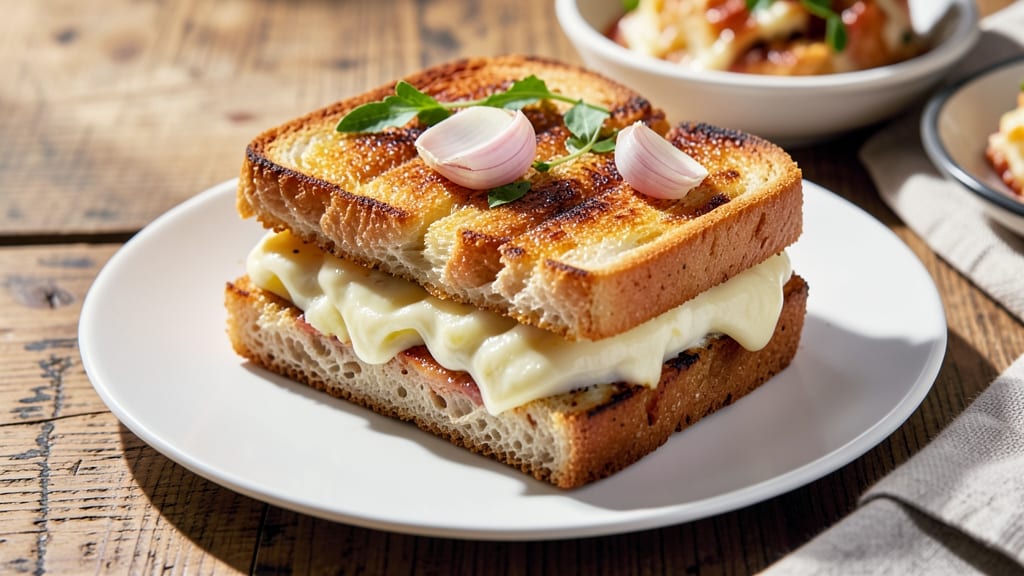
Alton Brown's grilled cheese recipe reveals the science behind that perfect golden crust and molten center—no more sad, soggy sandwiches. 🔥 As someone who's spent years perfecting heat control, I'll show you how to master this technique with just a few key steps and the right tools.
The secret lies in the right bread (sourdough holds up best), the perfect cheese blend (sharp cheddar and Gruyère melt beautifully), and a heavy skillet that distributes heat evenly.
We're talking crispy edges that shatter like glass while the inside stays gooey enough to pull with every bite—no more dry, rubbery sandwiches that fall apart at the seams.
This isn't just any grilled cheese—it's a restaurant-quality sandwich that takes just 10 minutes to make. The right pan temperature and gentle pressing technique create that signature caramelized crust while keeping the cheese perfectly melty inside.
Trust me, once you try this method, you'll never go back to the microwave version.
Pair it with tomato soup for the classic combo, or try it with bacon and caramelized onions for a heartier version. The possibilities are endless once you master the perfect balance of heat and pressure. Let's get started on making the ultimate grilled cheese sandwich.
Ingredients for alton brown grilled cheese
The secret to Alton Brown's legendary grilled cheese lies in these crispy, gooey ingredients.
| Ingredient | Amount | Notes |
|---|---|---|
| Sourdough Bread 🍞 | 8 slices | Thick-cut, crusty exterior preferred |
| Sharp White Cheddar Cheese 🧀 | 1 cup | Shredded, aged 12+ months |
| Gruyère Cheese 🧀 | 1 cup | Shredded, nutty flavor essential |
| Unsalted Butter 🧈 | 4 tbsp | European-style preferred |
| Mayonnaise 🥫 | 1 tbsp | For extra crispiness |
| Garlic Cloves 🧄 | 2 cloves | Minced, for flavor boost |
| Dijon Mustard 🍯 | 1 tsp | For subtle tang |
| Cast Iron Skillet 🔥 | 1 whole | 10-inch diameter minimum |
| Kosher Salt 🧂 | ½ tsp | Diamond Crystal preferred |
| Black Pepper 🌶️ | ¼ tsp | Freshly ground |
| Vegetable Oil 🫒 | 1 tbsp | For skillet preheating |
| Tomato Soup 🍅 | 2 cups | Classic pairing option |
The bread is non-negotiable—sourdough holds up best under heat, giving you that perfect crunch. Breads like ciabatta or brioche work too, but sourdough's tang cuts through the richness. For cheese, Gruyère's nutty depth pairs perfectly with sharp cheddar's bite. I grab mine from Whole Foods or Trader Joe's, where they keep the cheeses aged properly. Look for 12+ month aged cheddar—you'll taste the difference immediately. The butter? European-style (like Plugrá) melts smoother than American butter, creating that signature crispy crust without burning.
No sourdough? Brioche or Texas toast are your next best bets—they're buttery enough to handle the cheese. Gruyère too expensive? Parmesan or Emmental add similar depth at half the cost. The mayo isn't just for flavor—it helps create that crispy, caramelized crust that shatters like glass. Short on time? Skip the mustard, but trust me, it's worth the extra 30 seconds to mix it in. For the skillet, cast iron is non-negotiable—it retains heat perfectly and develops a natural non-stick patina over time. If you're using a non-stick pan, reduce heat by 25% to avoid burning.
Butter melts fast—have it ready in a small bowl with a butter knife for easy spreading. Preheat your skillet on medium-low (350°F) for 5 minutes before adding oil. The cheese keeps best in the fridge for 1 week if wrapped tightly in parchment, but once shredded, use it within 3 days for peak flavor. Store leftover sandwiches in an airtight container for 2 days max—they reheat beautifully in a toaster oven. Pro tip: Double the recipe and freeze extras between slices of parchment for quick lunches. Just 30 seconds in the oven brings them back to life.
Why You'll Love This Recipe
- Two-Ingredient Spread: The mayo-butter combo is where this sandwich gets its magic. Slathering that rich, tangy mayo between buttered sourdough creates a melt-in-your-mouth texture that’s next-level—no fancy techniques, just pure flavor payoff.
- Cheese Love: Sharp cheddar and Gruyère? That’s a match made in grilled cheese heaven. The cheddar brings bold bite while Gruyère adds nutty depth—every bite has that perfect balance of sharp, creamy, and umami that makes you reach for another.
- Lunchbox Hero: Between us, this is my go-to for quick lunches or picnic sandwiches. The sourdough holds up perfectly, and the cheese stays gooey even after packing—no sad, squished sandwiches here.
- Budget Win: I swear by this for feeding the family without breaking the bank. A block of cheddar and a loaf of sourdough stretch farther than you’d think, and the mayo-butter trick cuts costs while boosting flavor. Leftovers? Toast them up for a crispy second life.
Step-by-step instructions for alton brown's grilled cheese masterpiece
Here's how to nail that perfect golden crust and melty center every time.
🍳 Step 1: Prep the Skillet and Spread the Magic
Heat the cast iron skillet over medium heat for 2 minutes until it's hot all the way through. Add the 1 tablespoon vegetable oil and swirl to coat the bottom evenly. You'll know it's ready when a drop of water sizzles and dances across the surface.
While the skillet heats, take one slice of the sourdough bread and spread 1 teaspoon mayonnaise over the entire surface. This isn't just for flavor—it creates that signature crispy edge by helping the bread brown faster. In a small bowl, mix together the minced garlic cloves, Dijon mustard, ½ teaspoon kosher salt, and ¼ teaspoon black pepper. Spread this mixture over the mayo-covered bread.
👨🍳 Step 2: Layer the Cheese Like a Pro
In a small bowl, combine the 1 cup sharp white cheddar cheese and 1 cup gruyère cheese. I like to shred them together so they melt uniformly. Sprinkle half of this cheese mixture evenly over the seasoned bread slice, leaving a ½-inch border around the edges. This prevents cheese from oozing out during cooking.
Place the second slice of sourdough on top, mayo-side down. Press down gently to create a sandwich. Here's the thing—don't overstuff it! The cheese will expand as it melts, so you want room for that gooey pull you're after. The crusty exterior of sourdough is key here; it holds up better than soft bread and gives you that perfect crunch contrast.
🔥 Step 3: Cook to Golden Perfection
Carefully place the sandwich in the hot skillet. Cook for 3-4 minutes until the bottom is deep golden brown and the edges start to crisp. You'll see little bubbles forming in the cheese—that's your signal it's getting close. I press down gently on the sandwich during the first minute to ensure even contact with the pan.
Use a thin spatula to carefully flip the sandwich. Add 2 tablespoons unsalted butter to the skillet and let it melt completely. This butter bastes the sandwich, adding richness and helping create that signature crispy exterior. Cook for another 3-4 minutes until the second side is golden brown and the cheese is fully melted but not yet overflowing.
🍽️ Step 4: Serve with Tomato Soup
Remove the sandwich from the skillet and let it rest for 1 minute before cutting. This resting period allows the cheese to set slightly, making it easier to handle and preventing a messy overflow when you cut into it. Cut the sandwich diagonally into 4 triangles—this shape makes it easier to hold and dip.
Serve immediately with the 2 cups tomato soup for that classic pairing. The contrast between the crispy, cheesy sandwich and the warm, slightly acidic soup is what makes this dish legendary. The secret to the perfect bite? Wait until the cheese starts to pull slightly before taking your first bite—you'll get that perfect balance of crispy exterior and gooey interior every single time.
Pro Tips For Making Alton Brown Grilled Cheese
- CRANK THE HEAT: Alton’s version needs high heat—no half-measures. Medium or low will give you a sad, greasy mess instead of that perfect crispy crust. I learned this the hard way after making three batches that looked like they’d been microwaved.
- SALT THE MAYO: The mayo in this recipe isn’t just for binding—it’s for flavor. Skip the salt in the mayo, and your sandwich will taste flat. Even if the mayo is labeled "low-sodium," add a pinch of flaky salt (or a few drops of soy sauce) to wake it up.
- TOAST THE BREAD FIRST: This isn’t just about drying the sourdough—it’s about structure. A quick toast on both sides before assembling keeps the sandwich from falling apart when you flip it. I was skeptical until I tried it; now, I never skip it.
- PRESS HARD, FLIP FAST: Once the cheese starts melting, press down with a spatula to seal the edges, then flip immediately. Letting it sit too long means a runny, uneven sandwich—no one wants that. High heat means quick action.
Common mistakes when making this recipe
Overstuffed Sandwiches
I can't stress this enough—overstuffing is the #1 mistake that ruins a grilled cheese. When you pack too much cheese, it oozes out the sides while cooking, creating a messy, uneven sandwich. The cheese expands as it melts, so leave a ½-inch border around the edges of your bread.
I've seen people try to fit 2 cups of cheese between two slices—don't be that person! Stick to 1 cup total (like our recipe) for perfect results every time. 🧀
Skipping the Mayo
That 1 tablespoon of mayonnaise isn't just for flavor—it's the secret weapon for that signature crispy crust. The mayo helps the bread brown faster and creates a golden, caramelized exterior. I've made this mistake myself when I was in a hurry, and the results were noticeably less crispy.
If you're worried about the flavor, use Dijon mustard instead—it adds a subtle tang that pairs perfectly with the cheese.
Wrong Pan Temperature
Too hot and you'll burn the bread before the cheese melts; too cool and you'll end up with a sad, greasy sandwich. The ideal temperature is medium heat (around 350°F), where the bread gets crispy while the cheese melts evenly.
I use a cast iron skillet because it retains heat perfectly, but if you're using non-stick, reduce the heat by 25%. A good test? A drop of water should sizzle and dance across the surface when your pan's ready.
Flipping Too Soon
Patience is key here! You'll know your sandwich is ready to flip when the bottom is deep golden brown and you see little bubbles forming in the cheese. Trying to flip too soon leads to cheese spillage and uneven cooking.
I press down gently on the sandwich during the first 1-2 minutes to ensure even contact with the pan. This helps create that perfect crispy exterior while keeping the inside gooey. 🔥
Ignoring the Resting Time
Cutting into your sandwich immediately after cooking is a recipe for disaster—cheese will spill everywhere! Let it rest for 1 minute before cutting. This brief pause allows the cheese to set slightly, making it easier to handle and preventing messy overflow.
Pro tip: Cut diagonally into 4 triangles for the perfect dipping shape. I've learned this the hard way after serving sandwiches that were too hot and gooey to handle properly.
Using the Wrong Bread
Not all breads are created equal for grilled cheese. Sourdough holds up best under heat, giving you that perfect crunch, but white bread can turn soggy. If you're using brioche or Texas toast, they're buttery enough to handle the cheese, but they won't give you the same structural integrity.
The crusty exterior of sourdough is key—it provides that satisfying crunch contrast to the melty cheese. I've tried this with ciabatta too, and while it works, sourdough remains my top choice.
Nutrition facts
Frequently asked questions
Why does Alton Brown's recipe use mayo?
The 1 tablespoon mayonnaise isn't just for flavor—it creates that signature crispy crust by helping the bread brown faster through Maillard reaction. The fat in mayo also prevents the bread from absorbing too much moisture from the cheese. For a lighter version, try Dijon mustard instead—it adds tang without compromising texture.
Can I make this with non-stick pans?
Yes, but you'll need to adjust the heat. Non-stick pans conduct heat differently, so reduce temperature by 25% (around 325°F) to prevent burning. Cast iron remains ideal because it creates that perfect even heat distribution for crispy edges. If using non-stick, add 1 extra tablespoon butter to compensate for the pan's lower heat retention.
What's the best cheese substitute if I don't have Gruyère?
For similar nutty depth, try Parmesan or Emmental—both melt well and add complexity. If you want something sharper, aged Gouda works beautifully. The key is avoiding soft cheeses like mozzarella—they won't hold up to the crispy texture. For a budget-friendly option, sharp white cheddar alone works, though the flavor will be less complex.
How do I fix a sandwich that's too dry?
If your sandwich turns out dry, it's usually from overcooking or wrong bread. For immediate fixes, try toasting the cut side in a toaster oven at 350°F for 30 seconds—this adds moisture back. For prevention, use sourdough or brioche (they're buttery enough to handle cheese), and cook on medium heat—never high. The cheese should melt but not brown too quickly.
Can I make this ahead of time?
While freshly made is best, you can assemble sandwiches (without cooking) and refrigerate for up to 2 hours—then cook as directed. For make-ahead meals, wrap cooked sandwiches in parchment paper and store in an airtight container for 2 days. To reheat, warm in a toaster oven at 375°F for 2-3 minutes**—this restores crispiness without drying them out.