
Appetizers
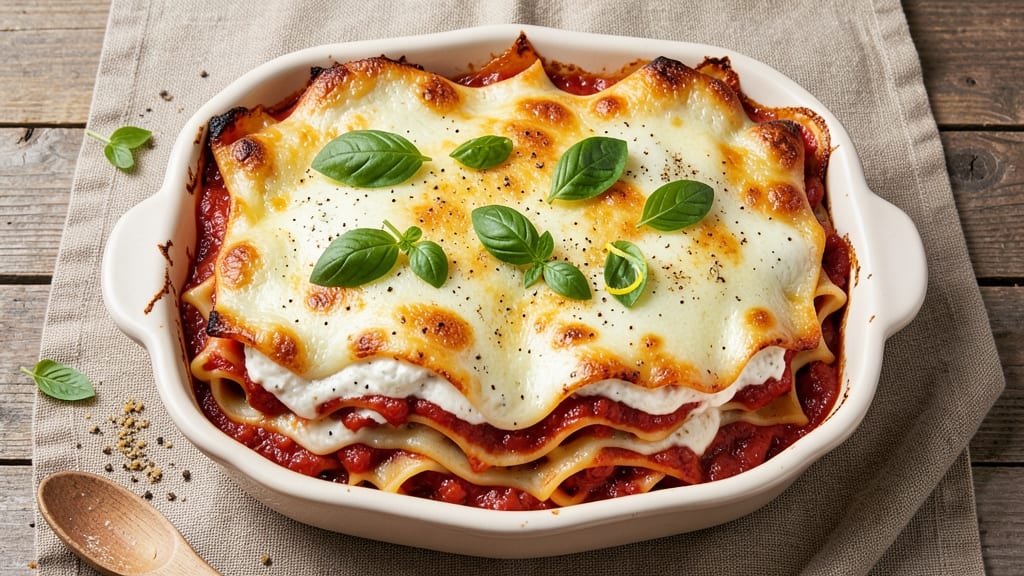
America's Test Kitchen cottage cheese lasagna delivers the creamy layers you love with a lighter, more balanced approach. The secret lies in cottage cheese—its mild tang and moisture replace ricotta while keeping the texture tender yet sturdy.
This isn't your heavy, guilt-ridden lasagna; it's a foolproof, restaurant-quality dish that bakes up perfectly every time, with crispy top layers and silky cheese filling.
What sets this recipe apart is the precise layering technique: no soggy noodles here. We use a combination of cottage cheese and mozzarella for that signature melt, while a thin layer of marinara between layers prevents separation.
The result? A lasagna that holds together beautifully, even when cut—no messy slides or rubbery noodles. Baking at 375°F for 45-55 minutes ensures even cooking without drying out the filling.
Once out of the oven, the aroma alone will have everyone gathering around the table. The cottage cheese adds a subtle tang that brightens the dish, while the mozzarella delivers that classic stretchy, melty goodness.
This isn't just lasagna—it's a game-changer for home cooks who want flavor without the heaviness. The best part? It tastes even better the next day, making it perfect for meal prep.
Ready to transform your weeknight dinners? This lasagna proves you can have your cheese and eat it too—lightened up, but never lacking in satisfaction. Here's how to build it layer by layer for perfect results every time.
Ingredients for america's test kitchen lasagna with cottage cheese
Game-changing ingredients for lasagna that's light yet packed with flavor—no guilt, just satisfaction.
| Ingredient | Amount | Notes |
|---|---|---|
| Lasagna Noodles 🍝 | 12 whole | No-boil preferred for crispiness |
| Small Curd Cottage Cheese 🧀 | 24 oz | 2% milkfat for creamy texture |
| Part-Skim Mozzarella Cheese 🧀 | 2 cups | Freshly grated from block |
| Marinara Sauce 🍅 | 2 ½ cups | Homemade or Rao's brand |
| Low-Fat Ricotta Cheese 🧀 | 1 cup | Drained overnight for moisture |
| Large Eggs 🥚 | 2 whole | For binding cottage cheese |
| Garlic Cloves 🧄 | 4 cloves | Minced for sauce base |
| Extra-Virgin Olive Oil 🫒 | ¼ cup | For crispy noodle topping |
| Dried Basil 🌿 | 1 tbsp | Crushed between palms |
| Dried Oregano 🌿 | 1 tsp | Italian blend preferred |
| Kosher Salt 🧂 | 1 ½ tsp | Diamond Crystal preferred |
| Black Pepper 🌶️ | ½ tsp | Freshly cracked |
| All-Purpose Flour 🌾 | ½ cup | For breadcrumb topping |
| Parmesan Cheese 🧀 | ½ cup | Freshly grated from wedge |
The cottage cheese is your secret weapon here. Small curd, 2% milkfat is key—it blends smoother and gives that signature lasagna creaminess without heaviness. Trader Joe's or Whole Foods carry the best small-curd varieties, but any 2% cottage cheese works in a pinch. Drain it overnight in a sieve lined with cheesecloth to remove excess moisture (trust me, this prevents a soggy mess). The mozzarella? Part-skim from a block melts better than pre-shredded—buy a wedge and grate it yourself. For the lasagna noodles, no-boil is a must if you can find it, but regular noodles work too (just boil them al dente).
No marinara on hand? Crushed tomatoes + garlic + olive oil makes a decent substitute. The ricotta can be swapped for more cottage cheese if needed (just add an extra egg). Want extra flavor? Add 1 tsp Italian seasoning to the cottage cheese mix. For the breadcrumb topping, Panko works too, but regular breadcrumbs toast better. Fresh herbs? Use basil and oregano in equal parts—dried is fine if that's what you've got. The garlic should be minced, not powdered—fresh flavor makes all the difference here. And that olive oil topping? Don't skip it—it creates that perfect crispy crust.
This lasagna tastes even better the next day—make a double batch if you can. Store leftovers in the fridge for 4-5 days, covered tightly. For freezing, assemble the lasagna, bake until just set (about 30 minutes), then cool completely before wrapping in foil. Freezes beautifully for up to 3 months. I always bake one for dinner and freeze the other for lazy weeknights. The key to reheating? Low and slow at 350°F until warmed through—microwaving makes it rubbery.
Why You'll Love This Recipe
- No Boil, No Stress: I swear by the no-boil noodles—just layer, bake, and forget. That cottage cheese? It’s the secret weapon here, blending into the ricotta so smoothly you’ll never taste the difference, but the texture? Creamy perfection every time.
- Cottage Cheese Magic: Between us, this isn’t your grandma’s lasagna. The small-curd cottage cheese adds a subtle tang that cuts through the richness, while the mozzarella gets just crispy enough on top. Honestly, the first bite makes you question why you ever made lasagna the hard way.
- Lunchbox Hero: Make it Sunday, eat it all week. The layers hold together like a dream—no soggy bottoms here—and it reheats like it just came out of the oven. Pack it for work or school, and you’ll be the office favorite (or at least my kids’ favorite).
- Budget-Friendly Luxury: Ricotta and cottage cheese stretch the filling further than traditional lasagna, and part-skim mozzarella keeps costs down without sacrificing that melty, golden finish. I’ll be real: it’s the kind of dish where you feel fancy without breaking the bank.
Step-by-step instructions for america's Test Kitchen cottage cheese lasagna
This lightened-up lasagna delivers all the comfort without the heaviness—creamy layers, crispy topping, and perfect texture.
Prepare the Cottage Cheese Filling
In a large bowl, combine the 24 oz small curd cottage cheese, 1 cup low-fat ricotta cheese, 2 whole large eggs, 1 tbsp dried basil, 1 tsp dried oregano, 1.5 tsp kosher salt, and 0.5 tsp black pepper. Use a hand mixer or whisk to blend until completely smooth and creamy—this ensures no lumps in your lasagna layers.
Here's the thing—small curd cottage cheese blends more smoothly than large curd. If you notice any graininess, press the mixture through a fine-mesh sieve to achieve that perfect silky texture. Cover the bowl and refrigerate while you assemble the lasagna—this prevents the filling from overheating during baking.
Build the Lasagna Layers
Preheat your oven to 375°F. Spread 1 cup marinara sauce on the bottom of a 9x13-inch baking dish. Arrange 4 lasagna noodles (no-boil preferred) on top, overlapping slightly at the edges. Spread half of the cottage cheese mixture evenly over the noodles, then sprinkle with 1 cup part-skim mozzarella cheese. Add another 1 cup marinara sauce and repeat with another layer of noodles, remaining cottage cheese mixture, and final 1 cup mozzarella cheese. Finish with the remaining 1 cup marinara sauce.
I always use no-boil noodles for this recipe—they absorb less moisture and stay crispier. Press down gently on each layer to eliminate air pockets, which helps prevent a soggy lasagna. The cottage cheese mixture should be spread evenly—about ¼-inch thick per layer—to ensure consistent baking.
Create the Crispy Topping
In a small bowl, mix together the 0.5 cup all-purpose flour, 0.5 cup parmesan cheese, 0.25 cup extra-virgin olive oil, 0.5 tsp black pepper, and 0.5 tsp kosher salt until crumbly. Sprinkle this mixture evenly over the top of the lasagna, pressing down lightly with your fingers. The olive oil helps create that golden, crispy crust we all love.
Don't skip pressing the topping down—this ensures maximum contact with the lasagna and prevents it from sliding off during baking. The flour mixture should look like coarse breadcrumbs with a few larger parmesan shards. Bake uncovered for 45-50 minutes until the edges are golden brown and the center reaches 175°F on an instant-read thermometer.
Rest and Serve
Remove the lasagna from the oven and let it rest for 15-20 minutes before slicing. This resting period allows the layers to set and prevents the filling from sliding out when you cut into it. The cottage cheese filling should be warm but not runny—it will thicken as it cools slightly.
Slice into 6 equal portions (about 1.5-inch thick slices) and serve immediately. The no-boil noodles should be tender but still hold their shape, the cottage cheese filling creamy but not watery, and the topping crispy enough to crunch. Leftovers keep well in the refrigerator for 3-4 days—just reheat covered at 350°F for 20-25 minutes until warmed through.
Pro Tips For Making America'S Test Kitchen Lasagna With Cottage Cheese
- PREHEAT THE DISH FIRST: I learned this the hard way—skipping the preheating step means your lasagna starts cooking unevenly, and the bottom layer turns into a sad, gummy mess. Slide your 9x13-inch baking dish into a 375°F oven for 10 minutes before adding anything. The heat jump-start ensures the noodles cook through faster and the sauce clings better.
- STIR THE COTTAGE CHEESE: The recipe calls for small-curd cottage cheese, but even then, lumps sneak in if you’re not careful. Use a fork to break it up first, then fold it into the ricotta with a rubber spatula until it’s completely smooth—no pea-sized surprises in your lasagna. This makes a real difference in texture, trust me.
- DON’T OVERMIX THE CHEESE LAYER: After mixing ricotta, cottage cheese, and egg, resist the urge to stir it to death. Overworking it makes the filling dense and rubbery, which is the last thing you want in lasagna. Just combine until just blended—lumpy but not heavy—and spread it evenly. Your future self will thank you.
- COVER WITH FOIL EARLY: The ATK recipe has you baking uncovered for 25 minutes, then foil-covered for another 20. That’s great, but if your oven runs hot (or you’re impatient, like me), add the foil after 20 minutes instead. This locks in moisture and prevents the top from drying out before the noodles are done. No more sad, crusty edges.
Flavor customization for this dish
Herb Variations
Swap out dried herbs for fresh ones to brighten the flavor profile. Try ¼ cup chopped fresh basil or 2 tbsp chopped fresh dill in place of the dried herbs—fresh dill adds a bright, slightly tangy note that pairs beautifully with the cottage cheese.
For a Mediterranean twist, add 1 tbsp chopped fresh parsley and ½ tsp dried thyme to the cottage cheese mixture. Fresh herbs should be finely chopped to distribute evenly.
Vegetable Add-Ins
Sauté 1 cup finely diced zucchini or ½ cup finely chopped spinach with garlic and olive oil before mixing into the cottage cheese filling. Zucchini adds moisture and a subtle sweetness, while spinach introduces a mild earthiness.
For a heartier lasagna, fold in ½ cup cooked and crumbled sausage or ½ cup diced roasted eggplant. Always drain excess liquid from sautéed veggies to prevent a soggy lasagna.
Spicy Kick
Add heat with ½ tsp red pepper flakes or 1 tbsp hot sauce mixed into the marinara sauce. For a smoky depth, stir ½ tsp smoked paprika into the cottage cheese mixture.
If you love spice, fold 1-2 tbsp chopped jalapeños into the filling—remove seeds for mild heat or keep them for extra kick. Balance the heat with a sprinkle of ½ cup shredded mild cheddar cheese on top before baking.
Protein Swaps
Replace the cottage cheese filling with a blend of cottage cheese and ground turkey or chicken for a lighter protein option. For texture, mix in ½ cup cooked lentils or ½ cup crumbled feta cheese.
If you prefer beef, use ½ cup lean ground beef cooked with garlic and Italian seasoning. Always drain excess fat from meats to keep the lasagna tender. The protein should be finely chopped or ground for even distribution.
Cheese Alternatives
For a lower-fat option, replace half the mozzarella with shredded part-skim provolone or low-fat Monterey Jack cheese. For a sharper flavor, swap in ½ cup shredded sharp cheddar in the final layer.
If you're avoiding dairy, use ½ cup nutritional yeast mixed with 2 tbsp olive oil for a cheesy flavor in the topping. Always grate your own cheese for best results—pre-shredded varieties contain anti-caking agents that prevent proper melting.
Seasonal Twists
In summer, fold ½ cup finely diced tomatoes and 2 tbsp chopped fresh basil into the cottage cheese mixture. For fall, add ½ cup sautéed mushrooms and ½ tsp cinnamon to the marinara sauce. In winter, stir ½ cup caramelized onions into the filling for a sweet contrast.
Spring calls for ¼ cup chopped asparagus or ½ cup roasted bell peppers—both add vibrant color and freshness to the dish.
Nutrition facts
Frequently asked questions
Why does this recipe use cottage cheese instead of ricotta?
Cottage cheese creates a lighter, creamier texture without the heaviness of ricotta while keeping the signature lasagna richness. The small curds blend smoothly for a velvety filling, and its mild tang brightens the dish. Plus, it's often more budget-friendly than ricotta while delivering excellent moisture retention.
Can I make this lasagna ahead of time?
Assemble the lasagna, then bake it uncovered for just 30 minutes at 375°F until set but not fully cooked. Cool completely, wrap tightly in foil, and freeze for up to 3 months. Thaw overnight in the fridge before baking the remaining 15-20 minutes to finish.
What's the best way to prevent soggy noodles?
Use no-boil lasagna noodles if possible, or boil regular noodles 1 minute less than package instructions. The key is layering: spread 1 cup marinara on the bottom, then noodles, cheese filling, and repeat—never let raw noodles touch each other. Press layers gently to eliminate air pockets.
How do I know when it's fully cooked?
The lasagna is done when the edges are golden and the center reaches 175°F on an instant-read thermometer. The top topping should be crispy, and the noodles should be tender but still hold their shape. If unsure, bake 5-10 minutes longer—it's better to slightly overbake than undercook.
Can I substitute cottage cheese with something else?
For a similar texture, blend 1 cup ricotta + 1 cup Greek yogurt with the eggs. If avoiding dairy, use 1 cup mashed tofu + 1 tbsp nutritional yeast for binding. However, cottage cheese's unique moisture and slight tang are hard to replicate—stick with it for authentic results!