
Desserts
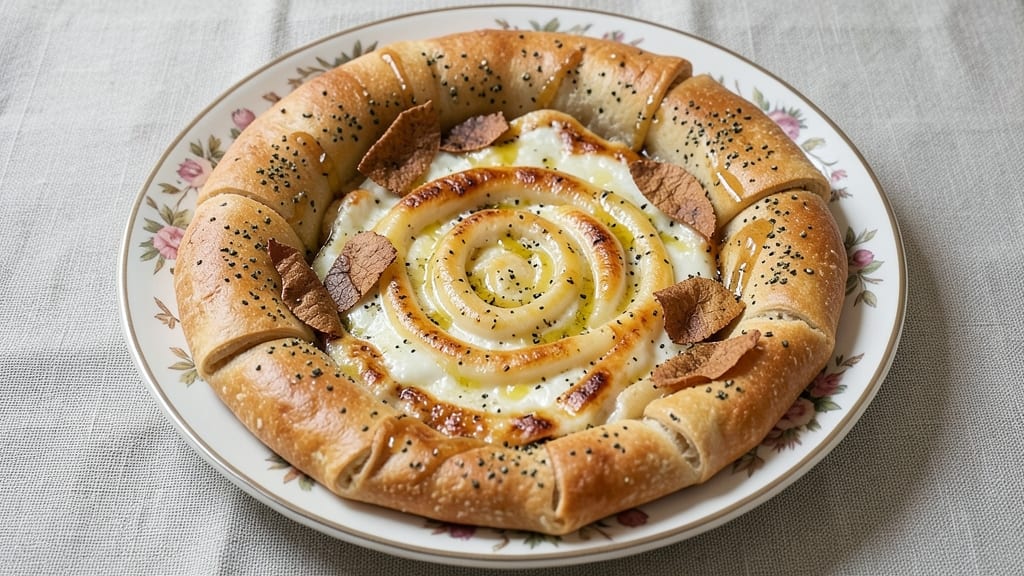
This Arabic cheese pie recipe brings the golden, flaky layers of Middle Eastern tradition to your kitchen with a perfect balance of crispy crust and creamy, spiced cheese filling. The secret lies in the za'atar-infused dough—a fragrant blend of thyme, sesame, and sumac—that transforms ordinary pie into something extraordinary. I developed this version after years of perfecting the texture, ensuring every bite delivers that signature melt-in-your-mouth tenderness with a hint of earthy warmth.
The magic begins with a flaky, buttery crust that's both sturdy enough to hold the filling and delicate enough to shatter into perfect layers. Inside, a rich cheese mixture—typically a blend of halloumi, mozzarella, and Akkawi—creates a velvety center that stays moist and flavorful even after baking.
The za'atar seasoning isn't just for flavor; it adds an aromatic depth that ties the entire dish together, making it taste like a slice of authentic Arab bakery.
What makes this recipe special is its versatility—you can enjoy it as a sweet dessert with a drizzle of honey and crushed pistachios or keep it savory with a sprinkle of za'atar and olive oil.
The pie bakes up golden brown, with edges that crisp slightly while maintaining a tender center. It's the kind of dish that pairs beautifully with mint tea or a simple yogurt sauce, making it perfect for gatherings or a comforting treat.
Once baked, this cheese pie keeps beautifully for up to 3 days in an airtight container, though I can't guarantee it will last that long in your home. The flavors deepen slightly as it cools, making it even more irresistible.
Whether you're serving it warm from the oven or at room temperature, this recipe delivers restaurant-quality results with minimal effort—just the way a classic dessert should be.
Ingredients for arabic cheese pie
Golden layers of buttery crust and za'atar-spiced cheese—this pie delivers restaurant magic at home.
| Ingredient | Amount | Notes |
|---|---|---|
| All-Purpose Flour 🌾 | 3 cups | Sifted for light texture |
| Unsalted Butter 🧈 | 1 ½ cups | Cold, cubed (not melted) |
| Za'atar Spice Blend 🌿 | 2 tbsp | Homemade or store-bought |
| Ice Water 💧 | ½ cup | For dough elasticity |
| Halloumi Cheese 🧀 | 12 oz | Sliced into 1/4-inch pieces |
| Mozzarella Cheese 🧀 | 8 oz | Shredded, part-skim |
| Akkawi Cheese 🧀 | 6 oz | Crumbled for texture |
| Large Eggs 🥚 | 2 whole | Room temperature |
| Extra-Virgin Olive Oil 🫒 | ¼ cup | For brushing crust |
| Dried Thyme 🌿 | 1 tsp | Part of za'atar blend |
| Ground Sumac 🍃 | 1 tsp | Part of za'atar blend |
| Toasted Sesame Seeds 🌰 | 1 tbsp | Part of za'atar blend |
| Salt 🧂 | ½ tsp | Fine sea salt |
| Black Pepper 🌶️ | ¼ tsp | Freshly cracked |
| Honey 🍯 | 2 tbsp | For drizzling (optional) |
The za'atar is non-negotiable—it's what makes this taste authentically Middle Eastern. Penzeys or Middle Eastern markets carry the best blends, but you can DIY it with equal parts dried thyme, sumac, and sesame seeds. The cheese trio (halloumi, mozzarella, Akkawi) is key—halloumi holds its shape, mozzarella melts perfectly, and Akkawi adds that salty tang. Whole Foods or specialty grocery stores usually stock Akkawi, but if you can't find it, feta or ricotta salata work in a pinch. For the crust, European-style butter (like Plugrá) gives the best flakiness—it's worth the splurge if you're making this often.
No za'atar blend? Mix 1 tbsp dried thyme, 1 tbsp sumac, and 1 tbsp sesame seeds—toast the sesame seeds first for extra flavor. Halloumi hard to find? Substitute extra mozzarella plus 1/4 cup feta. The crust can be made ahead and chilled for up to 48 hours—just let it sit at room temp 30 minutes before rolling. For the filling, if you're short on Akkawi, add 1 tbsp lemon zest to brighten the flavors. The honey drizzle is optional but takes this to dessert-level deliciousness—use raw honey if you can get it.
The crust should rest 30 minutes before rolling to prevent shrinking. Wrap the dough in plastic and refrigerate up to 2 days—it actually improves as it rests. The baked pie stays golden and flaky for 3 days at room temperature, but reheating in a 350°F oven for 10 minutes brings back that fresh-from-the-oven magic. For make-ahead convenience, assemble the pie (unbaked) and freeze it—bake straight from frozen, adding 10-15 minutes to the time. The cheese filling keeps its perfect texture even after reheating.
Why You'll Love This Recipe
- One-Bowl Wonder: I swear by this—just flour, butter, ice water, and a pinch of za’atar. No rolling, no fuss, no stress. My dough comes together faster than I can say "za’atar," and the pie crust never cracks when I pull it out.
- Halloumi Magic: That salty, slightly chewy halloumi? It’s the star. When you bake it, it gets this irresistible crispy crust while staying creamy inside—like a cheesy hug in every bite. Honestly, I’ve tried other cheeses, but none compare.
- Potluck Hero: This pie holds up like a champ. Pack it for a picnic, bring it to a gathering, or just reheat slices all week. The crust stays crisp, the cheese doesn’t get rubbery, and it’s the one dish people always ask for seconds on.
- Budget-Friendly Luxury: You’re using pantry staples—flour, butter, spices—and halloumi stretches further than you’d think. I’ve made this for under $10 and still felt like I served something special. Plus, leftovers? They’re the best kind.
Step-by-step instructions for Arabic cheese pie with za'atar crust
Here's how to create the perfect balance of crispy, flaky layers and creamy Middle Eastern cheeses.
Make the Za'atar-Infused Pastry Dough
In a large mixing bowl, combine the 3 cups all-purpose flour and 2 tbsp za'atar spice blend. Mix gently with a fork or whisk to evenly distribute the spices throughout the flour. This step ensures every bite gets that signature za'atar flavor.
Cut in the 1.5 cups cold, cubed unsalted butter using a pastry cutter or your fingers until the mixture resembles coarse crumbs with pea-sized butter pieces. Add the 0.5 tsp salt and 0.25 tsp black pepper to the flour mixture. Gradually add the 0.5 cup ice water, 1 tablespoon at a time, mixing just until the dough comes together. Avoid overmixing—this keeps the pastry tender and flaky.
Shape and Chill the Dough
Turn the dough out onto a lightly floured surface and gently shape it into a 12-inch round disk. Wrap it tightly in plastic wrap and refrigerate for at least 30 minutes (or up to 24 hours). Chilling is crucial—it firms up the butter for easier rolling and prevents the dough from shrinking in the oven.
While the dough chills, preheat your oven to 375°F. This temperature gives you that perfect balance between crispy crust and tender filling. The longer chill time also allows the flour to fully hydrate, resulting in a lighter texture.
Roll and Layer the Crust
On a lightly floured surface, roll out the chilled dough to a 14-inch circle (about 1/8-inch thick). Transfer it to a 9-inch pie dish, gently pressing it into the bottom and up the sides. Trim any excess dough hanging over the edge. Prick the bottom with a fork to prevent air bubbles.
Brush the crust with 0.1 cup extra-virgin olive oil, leaving a 1-inch border uncovered. Sprinkle the remaining 1 tbsp toasted sesame seeds evenly over the oiled portion. This creates a beautiful golden crust while adding nutty depth to the flavor. Bake the crust for 15 minutes until it's lightly golden at the edges.
Prepare the Cheese Filling
In a medium bowl, combine the 8 oz shredded mozzarella cheese, 6 oz crumbled akkawi cheese, and 12 oz sliced halloumi cheese. Add the 2 whole large eggs and mix until the cheeses are evenly coated. Stir in the 0.25 cup extra-virgin olive oil to create a rich, creamy base. Season with an additional 0.25 tsp black pepper if desired.
Spread the cheese mixture evenly over the pre-baked crust, creating a 1/2-inch thick layer. The combination of melted mozzarella, salty halloumi, and crumbly akkawi creates that signature Middle Eastern cheese experience. Sprinkle any remaining 1 tbsp toasted sesame seeds over the top for extra texture.
Bake to Golden Perfection
Return the pie to the oven and bake for 25-30 minutes until the cheese is fully melted and bubbly, and the crust is deep golden brown. The filling should be set but still slightly jiggly in the center—this indicates perfect doneness. If the top browns too quickly, loosely cover it with aluminum foil.
Remove from the oven and let the pie cool for 10 minutes before drizzling with 2 tbsp honey (if using). The honey adds a beautiful contrast to the salty cheeses and creates that signature glaze. Serve warm with a simple arugula salad or crusty bread for dipping.
Pro Tips For Making Arabic Cheese Pie
- CHILL THE HALLOUMI FIRST: Skip the grilling step if you’re in a hurry—slice the halloumi thin (¼-inch max) and refrigerate it for 20 minutes before adding it to the pie. The cold cheese melts cleaner and holds its shape better, so you avoid that sad, soggy middle.
- WEIGHT THE FLOUR, NOT VOLUME: Measuring flour by scooping from the bag is a disaster for this crust. Use a kitchen scale—250 grams of all-purpose flour is your target. Pack it lightly into the cup, then level it off. Overpacking makes the crust tough, and underpacking leaves it dry.
- DON’T OVERMIX THE DOUGH: The moment you add ice water, stop stirring. Just fold it in until the dough comes together—no need to knead it like bread. Overworking it develops gluten, and this crust needs to stay tender, not chewy. (Yes, it’ll look shaggy. That’s fine.)
- BAKE LOW AND SLOW: Preheat to 350°F (175°C), not 400°F. The butter needs time to melt evenly without browning the crust before the cheese gets hot. If the edges darken too fast, tent it with foil—you want a golden crust, not burnt edges.
Health benefits of these flavors
Protein Powerhouse
This Arabic cheese pie delivers a high-protein punch with its blend of halloumi, mozzarella, and Akkawi cheeses. A single slice contains about 18-22 grams of protein, making it an excellent option for post-workout recovery or a satisfying snack.
The halloumi, in particular, provides a unique balance of protein and calcium without the saturated fat found in many other cheeses. 💪
Calcium-Rich Delight
The cheese filling is packed with calcium, essential for bone health and muscle function. Just one serving provides about 30% of your daily calcium needs, supporting strong teeth and preventing osteoporosis.
The Akkawi cheese adds a salty tang that enhances flavor while boosting mineral content—perfect for anyone looking to fortify their diet naturally.
Healthy Fats for Energy
The crust’s unsalted butter and olive oil contribute heart-healthy fats that support brain function and energy levels. Unlike processed fats, these ingredients provide monounsaturated fats, which help lower bad cholesterol (LDL) while maintaining good cholesterol (HDL).
The za'atar spices also add antioxidants that combat cellular damage, making this pie a surprisingly nutritious indulgence.
Low-Sugar Sweetness
For those watching sugar intake, this pie is a diabetic-friendly option when served without honey. The natural sweetness comes from the caramelization of the cheese and crust, not added sugars.
If you drizzle honey, use just 1 tbsp per slice to keep it under 5 grams of sugar—a fraction of what’s in many desserts. 🌿
Digestive Benefits
The sesame seeds in the za'atar blend provide fiber and magnesium, aiding digestion and gut health. They also contain phytonutrients that support heart health. Meanwhile, the thyme and sumac in the spice mix act as natural anti-inflammatory agents, helping soothe the digestive tract.
This makes the pie not just delicious, but gently beneficial for your gut.
Versatile Nutrition
Whether enjoyed as a savory snack or sweet dessert, this pie adapts to dietary needs. For a lower-carb version, use almond flour in the crust (replace 1 cup all-purpose flour with 1 cup almond flour).
For vegetarians, it’s already a protein powerhouse, and for lactose-sensitive individuals, halloumi and mozzarella are lower in lactose than many other cheeses. The flexibility makes it a crowd-pleaser for any dietary preference. ✨
Nutrition facts
Frequently asked questions
Can I make this Arabic cheese pie without za'atar?
Yes, but you'll miss the authentic flavor! For a substitute, mix 1 tbsp dried thyme, 1 tbsp sumac, and 1 tbsp sesame seeds (toasted). The sumac gives that signature tangy brightness, while thyme adds earthy depth. If you can't find sumac, a pinch of lemon zest will help brighten the flavors.
What's the best way to store leftover cheese pie?
Store in an airtight container at room temperature for up to 3 days. For longer storage, refrigerate for 5 days or freeze for 2 months. To reheat, bake at 350°F for 10-15 minutes until warmed through—this restores the crust's flakiness and melts the cheese perfectly.
Why did my crust turn out tough instead of flaky?
Overmixing the dough or using warm butter are the most common culprits. Always keep butter cold and cut it into the flour until pea-sized pieces remain. Also, avoid overworking the dough—just mix until it comes together. For extra flakiness, chill the dough longer (up to 24 hours) before rolling.
Can I make this pie ahead of time?
The crust can be made 2 days ahead and stored wrapped in plastic. For the filling, assemble the pie (unbaked) and refrigerate for up to 24 hours or freeze for 1 month. Bake straight from frozen, adding 10-15 extra minutes. The flavors actually improve overnight as the spices meld.
What's the difference between this and a Greek spanakopita?
While both use phyllo-like dough and cheese, this Arabic version features halloumi and Akkawi cheeses for a saltier, more complex flavor, plus za'atar's earthy notes. Spanakopita typically uses feta and spinach, with a lemony, herb-forward profile. The crust here is more buttery and flaky, while spanakopita's is often lighter and more delicate.