
Sauces & Condiments
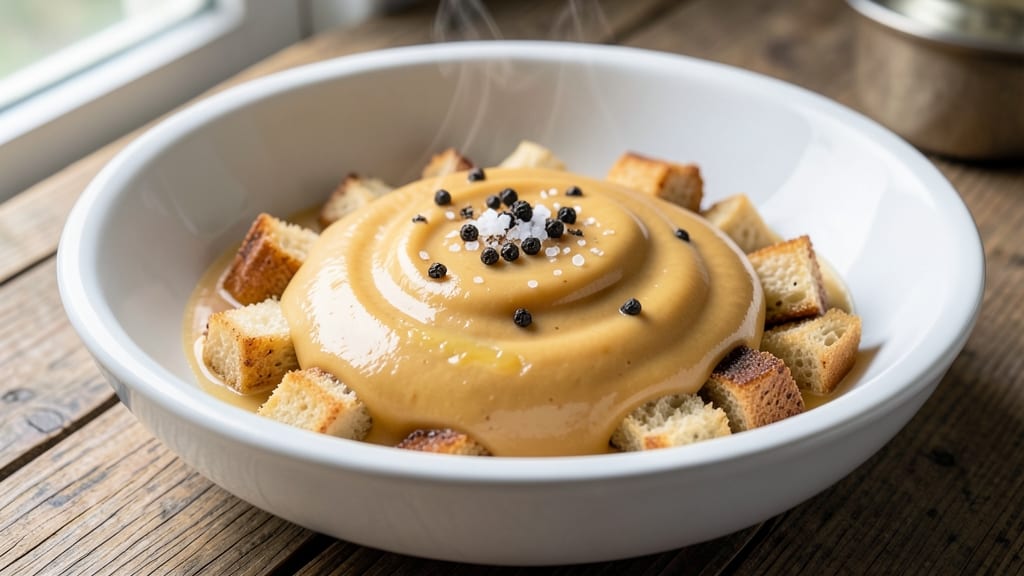
Argo cornstarch cheese sauce delivers the perfect balance of creaminess and thickness without lumps—ideal for pasta, casseroles, or dipping. The secret lies in the precise ratio of cornstarch to cheese, which creates a velvety texture that clings beautifully to any dish. This recipe transforms basic ingredients into a restaurant-quality sauce in just 10 minutes, making it a game-changer for busy cooks.
The magic happens when you whisk the cornstarch into cold milk first, then slowly incorporate melted butter and shredded cheese. This method ensures a smooth, lump-free sauce that thickens instantly over low heat.
Whether you prefer sharp cheddar, mild mozzarella, or a blended mix, the result is consistently creamy and rich. The sauce also reheats perfectly, making it perfect for meal prep.
What sets this sauce apart is its versatility—use it as a pasta topping, casserole layer, or even a dipping sauce for breadsticks. The cornstarch acts as a natural thickener, eliminating the need for roux or flour, while still delivering that signature cheesy flavor.
With just five ingredients, this recipe is simple yet impressive, proving that homemade sauce can be both foolproof and delicious.
Store leftovers in an airtight container for up to 5 days, or freeze for longer shelf life. The sauce maintains its smooth texture when reheated, making it ideal for batch cooking.
Whether you're feeding a family or hosting a dinner party, this Argo cornstarch cheese sauce will elevate any dish with minimal effort.
Ingredients for argo cornstarch cheese sauce
Five ingredients transform into velvety, lump-free cheese sauce with Argo cornstarch's magic ratio.
| Ingredient | Amount | Notes |
|---|---|---|
| Argo Cornstarch 🌾 | ½ cup | Fine-ground for smooth texture |
| Extra-Sharp Cheddar Cheese 🧀 | 2 cups | Freshly shredded, block preferred |
| Unsalted Butter 🧈 | ½ cup | Cold, cubed for even melting |
| Whole Milk 🥛 | 1 ½ cups | Cold for proper emulsification |
| Diamond Crystal Kosher Salt 🧂 | ½ tsp | Adjusts to taste preference |
| Freshly Ground Black Pepper 🌶️ | ¼ tsp | For subtle seasoning balance |
| Garlic Powder 🧄 | ½ tsp | Optional aromatic enhancement |
The Argo cornstarch is non-negotiable—its fine grind and high-quality starch create that signature velvety texture. Grab the 16-ounce bag from the baking aisle; it's worth the small splurge for this recipe. For the cheese, Kraft extra-sharp cheddar is my go-to, but Cabot or Tillamook work beautifully too. Pre-shredded cheese contains anti-caking agents that prevent proper melting, so always shred your own from a block. The butter should be cold and cubed—this ensures even melting and prevents the sauce from breaking. Whole milk provides the perfect balance of creaminess without overpowering the cheese flavor.
No cornstarch? Arrowroot powder at the same amount works in a pinch, though the texture will be slightly lighter. Prefer a milder cheese? Mozzarella or Monterey Jack at a 1:1 ratio creates a smoother sauce. Running low on milk? Half-and-half or light cream adds richness, but reduce the amount by 2 tablespoons to maintain proper consistency. The garlic powder is optional but recommended—it adds depth without overpowering. For a spicier kick, add a pinch of cayenne pepper along with the black pepper. If you're using this sauce for dipping, consider adding a dash of smoked paprika for extra complexity.
This sauce reheats beautifully—simply warm over low heat with a splash of milk to restore creaminess. Store in an airtight container for up to 5 days in the fridge, or freeze for up to 3 months in portion-sized containers. For meal prep, divide into 4-ounce servings before freezing. When reheating from frozen, add an extra tablespoon of milk to prevent thickening. The sauce thickens as it cools, so it's best to reheat just until warm, then adjust consistency with additional milk if needed.
Why You'll Love This Recipe
- No-Fuss Magic: I swear by this sauce because it’s foolproof—just melt butter, whisk in cornstarch, add milk, and shred that sharp cheddar until it’s velvety smooth. No lumps, no stress, just pure, creamy perfection in 10 minutes.
- Sharp Cheese Obsession: That extra-sharp cheddar? It’s the star. The cornstarch keeps it silky while letting the tangy, salty bite shine through—way better than powdered cheese packets. Honestly, I’ll take this over any store-bought sauce.
- Game for Any Meal: Drown fries in it, drizzle over roasted veggies, or toss with pasta. It’s my go-to for weeknight dinners, potlucks, or even a lazy Sunday brunch. Between us, it’s the secret to making everything feel special.
- Budget Cheat Code: A single batch stretches to three meals—leftovers reheat like a dream. Butter and milk are cheap, and a block of cheddar lasts forever. I’ve fed a family of five for under $10 with this trick.
Step-by-step instructions for Argo cornstarch cheese sauce
This method delivers a velvety, lump-free cheese sauce that thickens instantly—no scorching, no waiting.
Prepare the Roux Foundation
In a medium saucepan, melt the 0.5 cup Unsalted Butter over medium heat until it foams. Add the 0.5 cup Argo Cornstarch and whisk vigorously for 1-2 minutes until the mixture turns a pale golden color. This creates a smooth, lump-free base—Argo's fine texture prevents graininess better than regular cornstarch.
Watch closely as the butter melts completely. If it browns too quickly, reduce heat to medium-low. The roux should coat the back of a spoon evenly, signaling it's ready for the milk. This step is critical: any lumps now will multiply when you add liquid.
Gradually Incorporate Cold Milk
Slowly pour in the 1.5 cups Whole Milk while whisking continuously. The sauce will thicken immediately as the cornstarch activates. Keep whisking for 2-3 minutes until the mixture reaches a creamy consistency—it should coat the whisk but still flow easily. Cold milk is essential here; warm milk would cause the cornstarch to clump.
If the sauce thickens too quickly, add 1 tablespoon of milk at a time until you reach your desired texture. The goal is a smooth, pourable consistency that will coat pasta or vegetables perfectly. Remove the pan from heat before adding cheese to prevent overheating the dairy.
Add Cheese and Seasonings
Reduce heat to low and gradually sprinkle in the 2 cups Extra-Sharp Cheddar Cheese, whisking constantly. The cheese should melt completely, creating a rich, flavorful sauce. If you notice any lumps, strain the sauce through a fine-mesh sieve for a silky finish. This step requires patience—the cheese needs time to fully incorporate without burning.
Stir in the 0.5 tsp Diamond Crystal Kosher Salt, 0.25 tsp Freshly Ground Black Pepper, and 0.5 tsp Garlic Powder. Taste and adjust seasoning—extra-sharp cheddar packs serious flavor, so you might only need a pinch more salt. The sauce should have a balanced tanginess with a subtle garlic warmth.
Maintain Perfect Texture
Return the sauce to low heat and let it simmer gently for 3-5 minutes, stirring occasionally. This step ensures all flavors meld together while keeping the sauce smooth. If it thickens too much, whisk in 1 tablespoon of milk at a time until it reaches a creamy, coatable consistency.
For serving, keep the sauce warm in a double boiler or insulated container. The sauce will thicken further as it cools, so adjust consistency immediately before using. This method guarantees a restaurant-quality sauce that clings perfectly to noodles, vegetables, or grilled meats.
Pro Tips For Making Argo Cornstarch Cheese Sauce
- Whisk Like You Mean It: Cornstarch sauce is only as smooth as your arm strength—beat the butter and milk vigorously for 30 seconds before adding cheese. I used to skip this, and the sauce would clump like cottage cheese in a blender. High heat helps, but brute force at the start makes all the difference.
- Grate Cheese Fresh: Pre-shredded cheddar has anti-caking agents that turn your sauce into a grainy mess. Grab a box grater and shred your own—just before melting—so the cheese dissolves into velvety silk. (Yes, even if you’re impatient like me.)
- Temper the Milk: Cold milk dumped into hot butter? That’s how you get lumps. Warm the milk to body temperature (about 100°F) by whisking it in a bowl over barely simmering water for 2 minutes. Your sauce will thank you with no graininess.
- Salt in Stages: Diamond Crystal kosher salt is less intense than table salt—start with half the recipe’s salt, taste after the cheese melts, then adjust. I learned this the hard way after over-salting three batches. Trust your taste buds mid-process.
Make-ahead tips for this argo cornstarch cheese sauce
Prep Ahead Strategy
Make this sauce the night before and store it in an airtight container in the fridge. The flavors deepen overnight, and the texture remains silky when reheated. I like to portion it into 4-ounce servings for easy grab-and-go meals—perfect for pasta nights or quick dinners. 💪
Freezer-Friendly Tips
Freeze the sauce in quart-sized freezer bags with 1 inch of headspace to prevent expansion cracks. Label with the date—it keeps for up to 3 months without losing quality.
When ready to use, thaw overnight in the fridge, then reheat gently with 1 tablespoon of milk to restore creaminess. This method works best for batch cooking.
Reheating Perfection
For fridge-to-table reheating, transfer the sauce to a saucepan and warm over low heat with 2 tablespoons of milk until just hot. Avoid high heat—it can cause separation. If the sauce thickens too much, whisk in 1 tablespoon of milk at a time until smooth.
I’ve found this method preserves the sauce’s velvety texture better than microwaving. ✨
Sauce Consistency Hacks
The sauce thickens as it cools, so reheat it just until warm before serving. If it’s too thick, thin with 1 tablespoon of milk per ½ cup of sauce.
For extra richness, stir in 1 tablespoon of butter while reheating. This trick keeps the sauce luscious without altering the flavor profile.
Meal Prep Versatility
Use this sauce as a base for cheesy pasta bakes—layer it with cooked pasta, breadcrumbs, and more cheese, then bake at 375°F for 20 minutes. It also works as a dipping sauce for grilled chicken or veggies.
The cornstarch keeps it stable for 5 days in the fridge, making it a meal prep MVP. 💡
Cheese Swap Secrets
For a milder sauce, replace 1 cup of cheddar with Monterey Jack or Colby Jack. For a creamy texture, blend ½ cup mozzarella into the mix. Each cheese changes the flavor—experiment to find your favorite! Store swapped versions in separate containers to maintain consistency. 🧀
Nutrition facts
Frequently asked questions
Why does this recipe use Argo cornstarch instead of regular cornstarch?
Argo cornstarch has a finer grind and higher-quality starch that creates a smoother, lump-free texture. The fine particles disperse more evenly in the sauce, preventing that grainy consistency you sometimes get with regular cornstarch. This makes all the difference for that velvety, restaurant-quality finish!
Can I make this sauce without milk? What's the best dairy substitute?
Yes! For a richer texture, use half-and-half or light cream instead of milk, but reduce the amount by 2 tablespoons since these are thicker. For a dairy-free version, try unsweetened almond milk or coconut milk, but you may need 1 extra tablespoon of cornstarch to achieve the same thickness. The sauce will still be delicious, though the flavor will differ slightly.
What's the secret to preventing lumps in the cheese sauce?
The key is whisking constantly when adding the cornstarch and milk, and keeping the milk cold. Also, melt the butter first, then whisk in the cornstarch until it forms a smooth paste before adding any liquid. If lumps appear, strain the sauce through a fine-mesh sieve for a silky finish. Patience is everything—don't rush the whisking!
How do I adjust the thickness if the sauce is too thin or too thick?
If too thin, whisk in 1 tablespoon of cornstarch mixed with 1 tablespoon of cold milk at a time until thickened. For a thicker sauce, whisk in 1 tablespoon of cold milk to loosen it up. Remember, the sauce will thicken further as it cools, so adjust just before serving. This flexibility makes it perfect for any dish!
Can I use pre-shredded cheese in this recipe?
While you can use pre-shredded cheese, it's not ideal. Pre-shredded cheese contains anti-caking agents that prevent proper melting, which can leave you with a grainy texture. For the best results, always shred your own cheese from a block. If you must use pre-shredded, pick a brand without additives and add 1 extra tablespoon of milk to help smooth it out.