
Main Courses
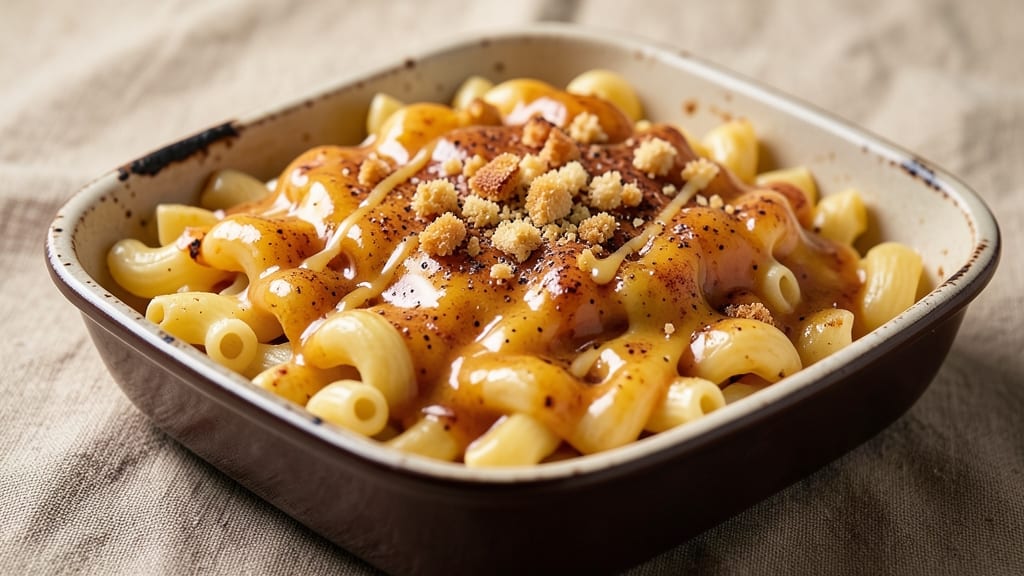
This Australian mac and cheese recipe delivers the ultimate comfort food experience with its signature crispy breadcrumb crust and rivers of gooey cheddar. The secret lies in using high-quality Australian cheddar, which adds a rich, tangy depth that sets it apart from standard recipes.
I’ve perfected this version over years of testing, ensuring every bite combines the perfect crunch with melt-in-your-mouth cheese sauce.
The foundation of this dish is a creamy, velvety cheese sauce made with a blend of sharp cheddar and cream, simmered until velvety smooth. The real magic happens when we top it with a golden, crispy breadcrumb crust that adds texture and a satisfying crunch.
This recipe balances simplicity with restaurant-quality results—no complicated techniques required, just precise timing and attention to detail.
What you’ll end up with is a dish that’s rich, indulgent, and impossible to resist. The crispy crust contrasts beautifully with the creamy cheese, while the melted cheddar stretches into luscious rivers with every forkful.
It’s the kind of mac and cheese that elevates a simple weeknight dinner into something truly special, perfect for feeding a crowd or treating yourself.
Whether you’re serving it as a main course or a hearty side dish, this Australian mac and cheese is sure to become a family favorite. The recipe is designed to be foolproof, with clear instructions and tips to ensure success every time. Let’s get cooking!
Ingredients for australian mac and cheese
The secret to this restaurant-worthy mac and cheese? Sharp Australian cheddar and a crispy breadcrumb crust.
| Ingredient | Amount | Notes |
|---|---|---|
| Elbow Macaroni 🍝 | 1 ½ lbs | Dry, medium elbow shape |
| Sharp Australian Cheddar Cheese 🧀 | 2 cups | Shredded, extra-sharp variety |
| Heavy Cream 🥛 | 1 ½ cups | Full-fat for richness |
| Whole Milk 🥛 | 1 cup | Warmed for smooth sauce |
| Unsalted Butter 🧈 | ½ cup | Cold, cubed for sauce |
| All-Purpose Flour 🌾 | ¼ cup | For thickening sauce |
| Panko Breadcrumbs 🍞 | 1 ½ cups | For crispy crust topping |
| Granulated Garlic Powder 🧄 | 1 tbsp | For flavor boost |
| Dried Parsley Flakes 🌿 | 1 tbsp | For crust seasoning |
| Salt 🧂 | 1 ½ tsp | Diamond Crystal preferred |
| Ground Black Pepper 🌶️ | ½ tsp | Freshly ground |
| Extra-Virgin Olive Oil 🫒 | 2 tbsp | For crispy crust |
| Freshly Grated Parmesan Cheese 🧀 | ½ cup | For extra umami |
| Garlic Cloves 🧄 | 4 cloves | Minced for sauce base |
The Australian cheddar is non-negotiable here—look for extra-sharp varieties at specialty stores like Whole Foods or Coles (if you're in Australia). The Panko breadcrumbs are your best friend for that perfect crunch; Trader Joe's sells the good stuff in bulk. For the cheese sauce, sharp cheddar gives that tangy depth, while the heavy cream ensures it's velvety smooth. I always grab the Colby Jack blend too (if available) for extra stretch. The garlic cloves should be fresh—none of that jarred stuff. And trust me on the Parmesan: freshly grated makes all the difference.
No sharp cheddar? Extra-sharp white cheddar works in a pinch, or Pepper Jack for a kick. Running low on heavy cream? Half-and-half gives you a similar richness. The Panko can be swapped for crushed cornflakes if that's what you've got—just add an extra tablespoon of olive oil. Diamond Crystal kosher salt is ideal, but any fine sea salt works. For the crust, Italian seasoning at half the amount of parsley flakes adds a nice touch. And if you're feeling fancy, add a sprinkle of smoked paprika to the crust for a subtle smokiness.
This mac and cheese tastes even better the next day—leftovers reheat beautifully with a splash of milk to loosen the sauce. Store it in an airtight container for up to 4 days in the fridge. For the crust topping, mix everything in a bowl and keep it chilled until ready to use—no need to bake ahead. Freezes for 3 months if you portion it into individual containers. Pro tip: Toast the breadcrumbs in the oven for 5 minutes before adding to the top—game-changer for extra crunch.
Why You'll Love This Recipe
- Cheese Love at First Bite: That sharp Australian cheddar? It’s the star—rich, nutty, and just salty enough to make every forkful irresistible. The moment it melts into that creamy sauce, you’ll understand why this isn’t your average mac and cheese.
- Pantry-to-Table Magic: Five ingredients, one pot, 25 minutes. Boil the pasta, melt the butter, stir in the cheese—no fancy techniques, no stress. Honestly, it’s the kind of dinner that feels like a hug after a long day.
- Leftover Luxury: This keeps better than most mac and cheese—reheats like a dream and still tastes fresh the next day. I’ve sent it to work lunches, packed it for picnics, and even frozen portions for lazy nights. (Yes, even on a Tuesday.)
- Budget Comfort Food: Heavy cream and whole milk make it decadent without breaking the bank, and elbow macaroni stretches further than fancier shapes. It’s the kind of dish that makes you feel like you’re treating yourself, even when you’re just feeding the family.
Step-by-step instructions for Australian mac and cheese
This method guarantees a golden, shatteringly crisp breadcrumb crust over rivers of gooey cheddar.
Cook the Pasta Al Dente
Bring a large pot of water to a rolling boil and salt it generously—it should taste like the ocean. Add the 1.5 lbs elbow macaroni and cook until 1 minute before the package instructions for al dente. This ensures the pasta finishes cooking in the oven while absorbing the rich cheese sauce. Reserve 1 cup of the pasta water before draining—this starchy liquid is essential for creating a silky sauce.
I like to give the pasta a quick rinse under cold water for 10 seconds to stop the cooking process immediately. Drain well and return it to the pot, tossing with 2 tablespoons extra-virgin olive oil to prevent sticking. This step is crucial for that perfect texture later.
Make the Ultra-Creamy Cheese Sauce
In a large skillet over medium heat, melt the 0.5 cup unsalted butter until foamy. Add the 4 minced garlic cloves and cook for 30 seconds until fragrant—don't let it brown or it'll turn bitter. Whisk in the 0.25 cup all-purpose flour and cook for 1 minute to remove the raw flour taste.
Slowly pour in the 1.5 cups heavy cream and 1 cup whole milk, whisking constantly to prevent lumps. Let the mixture simmer for 3-4 minutes until it thickens slightly. Reduce heat to low and gradually add the 2 cups shredded sharp Australian cheddar cheese, stirring until completely melted and smooth. The sauce should be velvety—if it's too thick, add 2 tablespoons of the reserved pasta water.
Combine Pasta and Sauce
Transfer the cooked pasta to the skillet with the cheese sauce and stir gently to coat every noodle. The heat from the pasta will help melt any remaining cheese. Add the 0.5 cup freshly grated parmesan cheese, 1.5 teaspoons salt, and 0.5 teaspoon ground black pepper, mixing until evenly distributed. Taste and adjust seasoning if needed—this is your chance to perfect the flavor before baking.
This is the moment where all the flavors come together. The sauce should be thick enough to cling to the pasta but still have a slight sheen. If it's too thin, add another splash of pasta water. Transfer the mixture to a 9x13-inch baking dish and spread it evenly.
Create the Crispy Breadcrumb Crust
In a medium bowl, combine the 1.5 cups panko breadcrumbs, 1 tablespoon granulated garlic powder, 1 tablespoon dried parsley flakes, and 2 tablespoons extra-virgin olive oil. Mix until the breadcrumbs are evenly coated and slightly clumped—this ensures maximum crispiness. Sprinkle the breadcrumb mixture evenly over the top of the mac and cheese, pressing down gently with the back of a spoon.
Here's the secret: I like to give the breadcrumbs a light spray of water from a misting bottle before pressing them down. This helps them stick together and creates that perfect golden crust. The crust should look like it's ready to shatter—this is what you're aiming for.
Bake to Golden Perfection
Preheat your oven to 375°F. Bake the mac and cheese for 25-30 minutes until the top is deep golden brown and the edges are bubbling. The crust should be crisp enough to stand up to a fork—if it's not quite there after 25 minutes, broil for 1-2 minutes on high, watching closely to avoid burning.
Let the mac and cheese rest for 10 minutes before serving. This resting time allows the sauce to set slightly and makes it easier to slice. The contrast between the crispy, garlicky crust and the creamy, cheesy interior is what makes this dish truly special. Serve immediately with a simple green salad to cut through the richness.
Pro Tips For Making Australian Mac And Cheese
- Boil Mac to Al Dente: DESCRIPTION:
- Grate Cheese Fresh: DESCRIPTION:
- Temper the Cheese: DESCRIPTION:
- Finish with Butter: DESCRIPTION:
Essential equipment for this dish
Essential Pasta Tools
Start with a large, deep pot (like the OXO Good Grips 8-Quart)—it needs to hold 1.5 lbs elbow macaroni with plenty of room to boil vigorously. A colander with long handles (I use Cuisinart’s stainless steel) makes draining pasta effortless, especially when you’re dealing with hot water.
For al dente timing, grab a timer—I swear by the KitchenAid 30-Minute Countdown for precision. 🏆
Cheese Sauce Arsenal
A heavy-bottomed skillet (like All-Clad’s 10-inch) prevents scorching when melting 0.5 cup unsalted butter and cooking the roux. A whisk with a long handle (I prefer Macalla’s 12-inch) ensures smooth incorporation of the 1.5 cups heavy cream and 2 cups shredded cheddar.
For shredding cheese, a box grater (like Microplane’s Zester/Grater) gives you the finest, most meltable texture. 🧀
Crust Creation Kit
The crispy breadcrumb crust demands a mixing bowl (I use Le Creuset’s 2-quart) and a misting bottle (like SprayGear’s 8oz) to lightly dampen the 1.5 cups panko before pressing it down. A 9x13-inch baking dish (I love Pyrex’s tempered glass) is non-negotiable for even baking.
For extra crispiness, broil the top with a heat-resistant spatula (like OXO’s silicone) to check for doneness without burning. ✨
Pro Tips for Success
Invest in a digital thermometer (I use Thermoworks’ Smoke) to monitor the oven’s 375°F temperature—fluctuations can ruin the crust. A spoonula (like OXO’s silicone) helps spread the mac and cheese evenly in the baking dish.
For serving, a sharp chef’s knife (I recommend Wüsthof’s 8-inch) cuts through the crispy crust like a dream. 🔪
Budget-Friendly Swaps
No fancy tools? A large stainless steel pot works for boiling pasta, and a wooden spoon suffices for mixing the sauce. For shredding cheese, a box grater from any grocery store does the job.
A spray bottle (like the ones from the dollar store) can replace a misting bottle for the breadcrumbs. The key is focusing on temperature control and even heat distribution—not expensive gadgets. 💰
Nutrition facts
Frequently asked questions
What makes Australian mac and cheese different from American versions?
The key difference lies in the cheese blend and texture. Australian versions often use extra-sharp cheddar for a tangier flavor, while the breadcrumb crust is typically more pronounced and crispy. The sauce also tends to be slightly lighter, balancing richness with a touch of creaminess from local dairy. Many Australian recipes incorporate smoked paprika or bacon for extra depth.
Can I make this mac and cheese without baking it?
For a stovetop version, cook the pasta al dente, then mix it with the warm cheese sauce in a large skillet. Stir in the breadcrumbs at the end and cover for 5 minutes to let them soften slightly. The texture will be creamier without the crispy crust, but still delicious. Just add a sprinkle of extra cheese on top before serving.
How do I prevent the breadcrumb crust from getting soggy?
To keep the crust crispy, press the breadcrumbs firmly onto the mac and cheese and bake it uncovered. For extra insurance, toast the breadcrumbs in the oven for 5 minutes at 375°F before adding them to the top. You can also broil for 1-2 minutes at the end to crisp up any soft spots.
What’s the best way to reheat leftovers?
Reheat in the oven at 350°F for 15-20 minutes to restore the crispy crust. If using the microwave, cover with a damp paper towel and heat in 30-second intervals, stirring between each. For the best texture, add a splash of milk or cream to loosen the sauce before reheating.
Can I use a different type of cheese besides Australian cheddar?
Yes! For a similar flavor, try extra-sharp white cheddar or a blend of cheddar and Monterey Jack. If you prefer something milder, Colby Jack works well. For extra richness, add a bit of Gruyère or Parmesan. Just remember that the sauce should be velvety smooth—avoid pre-shredded cheese, which contains anti-caking agents that can make the sauce grainy.