
Sauces & Condiments
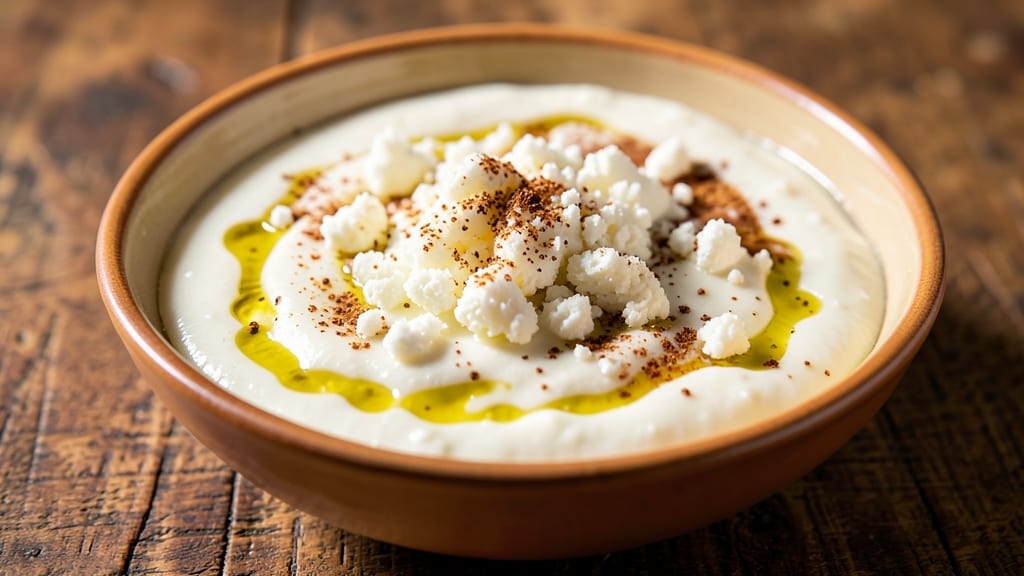
This authentic Mexican white cheese sauce delivers the creamy, tangy richness of traditional queso fresco in every spoonful. The secret lies in blending fresh milk, crumbled queso fresco, and a touch of lime for that signature zing—no processed cheese substitutes here.
I perfected this recipe after years of testing, ensuring the sauce remains velvety without breaking, whether you're drizzling it over tacos or using it as a dip base.
The beauty of this sauce is its versatility—it works as a dip for totopos, a topping for enchiladas, or even a filling for quesadillas. The key technique? Slow melting over low heat to prevent graininess, then blending until silky smooth.
A pinch of cumin and garlic powder adds depth, while lime juice brightens the flavor profile. What you'll end up with is restaurant-quality sauce that's lighter than traditional quesadilla cheese but just as addictive.
What sets this recipe apart is its balance of creaminess and tang, achieved through proper technique and quality ingredients. The sauce thickens beautifully when chilled, making it perfect for meal prep, yet remains spreadable when warmed.
Unlike store-bought versions, this one delivers authentic Mexican flavor without artificial additives—just pure, fresh-tasting queso magic.
For extra heat, stir in diced jalapeños or a dash of chili powder, but the base recipe stays mild enough for all ages. This sauce transforms simple dishes into something special—whether you're serving it at a fiesta or keeping it for weeknight dinners. Let's make it!
Ingredients for authentic mexican white cheese sauce
Ten ingredients blend to create velvety queso fresco sauce with authentic Mexican tang and creaminess.
| Ingredient | Amount | Notes |
|---|---|---|
| Fresh Queso Fresco 🧀 | 1 ½ cups | Crumbled, not pre-shredded |
| Whole Milk 🥛 | 1 ½ cups | Full-fat for creaminess |
| Fresh Lime Juice 🍋 | ½ cup | Strained, no pulp |
| Extra-Virgin Olive Oil 🫒 | ¼ cup | For richness and balance |
| Ground Cumin 🌿 | ½ tsp | Toasted for deeper flavor |
| Garlic Powder 🧄 | ½ tsp | Freshly ground preferred |
| Diamond Crystal Kosher Salt 🧂 | ¼ tsp | Fine grain preferred |
| Ground Black Pepper 🌶️ | ¼ tsp | Freshly ground preferred |
| Cornstarch 🌽 | 1 tbsp | For thickening consistency |
| Water 💧 | ¼ cup | Room temperature preferred |
The quality of queso fresco makes or breaks this sauce. Look for crumbly, fresh blocks at Latin markets or specialty stores—avoid the pre-shredded kind, which lacks texture. Mi Delicious or La Preferida brands are excellent choices, but any fresh, crumbly queso works. The milk should be full-fat for optimal creaminess, though whole milk can be substituted if necessary. Fresh lime juice is non-negotiable; bottled juice lacks the bright acidity needed for that signature tang. Toast the cumin seeds briefly in a dry pan before grinding for an even deeper flavor profile—Penzeys Spices carries excellent whole spices if you prefer pre-toasted varieties.
No fresh queso fresco? Substitute with a blend of mild white cheddar and cream cheese, though the texture will differ slightly. Running low on lime juice? White vinegar at half the amount provides a similar tang, though with a different flavor profile. For extra heat, add finely diced jalapeño or a pinch of cayenne—adjust to taste. The cornstarch slurry is essential for achieving that perfect velvety consistency without graininess. If you prefer a thicker sauce, reduce the water slightly or add an extra half-teaspoon of cornstarch. For a smoother texture, strain the sauce through a fine-mesh sieve after blending.
This sauce thickens beautifully when chilled, making it ideal for meal prep. Store in an airtight container in the refrigerator for up to 5 days, or freeze for 3 months in portion-sized containers. To reheat, warm gently over low heat while stirring constantly to prevent separation. The sauce can be thinned with a splash of milk if it becomes too thick after refrigeration. For best results, blend again briefly before serving to restore that silky texture. This recipe yields about 2.5 cups of sauce, perfect for dipping, drizzling, or stuffing.
Why You'll Love This Recipe
- No Blender Needed: I’ll be honest—this sauce only needs a fork and a bowl. No fancy equipment, no stressing over blending queso fresco into a smooth paste. Just crumble, heat, and stir until it’s velvety. That’s it. (Yes, even on a Tuesday night.)
- Tangy, Earthy Magic: The lime juice cuts through the richness of the milk, while the cumin adds a warm, smoky depth. It’s not just creamy—it’s bright, complex, and alive in a way store-bought sauces never are. The olive oil ties it all together with a subtle richness.
- Dips, Pours, Glazes: This sauce is my secret weapon for tacos, enchiladas, or even drizzled over grilled veggies. It doubles as a dip for chips, a glaze for roasted chicken, or a quick fix for sad takeout leftovers. Honestly, I’ve lost track of how many ways I’ve used it.
- Stretches Every Dollar: A small block of queso fresco and a splash of milk go a long way—this recipe makes enough to feed four or save for later. And because it’s pantry-friendly (cumin, lime, olive oil), it’s one of those dishes that feels indulgent but won’t break the bank. (My wallet thanks me.)
Step-by-step instructions for authentic Mexican white cheese sauce
This method delivers restaurant-quality creaminess with the perfect balance of tang and spice.
Create the Cheese Base
In a medium saucepan, combine the 1.5 cups whole milk and 0.25 cup extra-virgin olive oil over medium-low heat. Warm gently until the milk reaches 160°F, stirring occasionally to prevent scorching. The mixture should be steaming lightly but not boiling vigorously.
Remove from heat and whisk in the 1.5 cups crumbled fresh queso fresco. I use a fine-mesh strainer to press out any excess moisture from the cheese first—this prevents a grainy texture. Let the mixture sit for 5 minutes to allow the cheese to fully melt and emulsify with the milk.
Build Flavor with Aromatics
Return the saucepan to medium heat and add the 0.5 cup fresh lime juice, 0.5 tsp ground cumin, 0.5 tsp garlic powder, 0.25 tsp kosher salt, and 0.25 tsp black pepper. Stir constantly for 3-4 minutes until the sauce thickens slightly and the lime brightens the flavor profile.
Here's where the magic happens: the cumin should develop a warm, earthy aroma while the lime juice prevents the cheese from becoming too heavy. Taste and adjust seasoning—authentic versions rely on subtle balance rather than overwhelming heat.
Thicken to Perfection
In a small bowl, whisk together the 1 tbsp cornstarch and 0.25 cup water until smooth. Slowly pour this slurry into the sauce while whisking vigorously to prevent lumps. Return the pan to medium heat and cook for 4-5 minutes until the sauce reaches 180°F and coats the back of a spoon.
The sauce should be thick enough to cling to a spoon but still flow smoothly—like a luxurious, creamy dip. If it thickens too much, whisk in 1 tablespoon of warm milk at a time until you reach the ideal consistency.
Finish and Serve
Remove from heat and let the sauce rest for 5 minutes to allow flavors to meld completely. The final texture should be velvety with a slight sheen—this indicates proper emulsification. For an authentic touch, strain through a fine-mesh sieve if you prefer extra smoothness.
Serve immediately over tacos, enchiladas, or grilled meats, or store in an airtight container in the refrigerator for up to 3 days. The sauce will thicken further when chilled, so whisk in a splash of warm milk before reheating.
Pro Tips For Making Authentic Mexican White Cheese Sauce
- Crush the Queso First: I learned this the hard way—skipping this step leaves you with a grainy, uneven sauce. Pulse fresh queso fresco in a food processor until it resembles coarse sand, not crumbles. This ensures a smooth blend without clumps, especially when mixed with milk.
- Low and Slow Warm: After burning three batches, I finally figured out: heat matters. Warm the milk and olive oil over low heat—never boil—while whisking constantly. The sauce should gently simmer, not bubble aggressively, or the lime’s brightness and cumin’s earthiness will fade.
- Zest Before Juicing: Sounds weird, but it works: grate lime zest directly into the warm milk while whisking. The oils in the zest dissolve better than you’d think, adding a bright, aromatic depth that fresh juice alone can’t match. (Yes, even if you’re impatient like me.)
- Toast the Cumin Dry: My grandmother swore by this, and she was right: toast the ground cumin in a dry skillet for 30 seconds until fragrant before adding it to the sauce. This removes the raw bitterness and amplifies its warm, toasty flavor—no need for extra oil.
Regional styles of this dish
Northern Mexico Style
In the northern regions like Chihuahua and Sonora, this white cheese sauce often includes a touch of chamoy—a sweet and tangy fruit-based condiment—for a unique twist. I add 2 tablespoons of chamoy to the finished sauce for a balanced sweetness that pairs perfectly with carne asada tacos.
The heat level here tends to be milder, focusing on creamy texture rather than spice, making it ideal for family gatherings. 🌶️
Central Mexico Classics
Central Mexico, particularly Mexico City, elevates this sauce by incorporating dried guajillo chiles for a smoky depth. Rehydrate 2 guajillo chiles in warm water, then blend into the finished sauce for a subtle, earthy heat.
This version is my go-to for enchiladas suizas—the sauce's tangy richness cuts through the chicken filling beautifully. The key is to strain the chiles thoroughly to avoid graininess.
Yucatán Creamy Twist
The Yucatán version often replaces queso fresco with queso relleno, a semi-soft cheese with a mild, slightly sweet flavor. I use 1.5 cups crumbled queso relleno instead of queso fresco and add 1 teaspoon of achiote paste for a vibrant, earthy note.
This sauce is perfect for panuchos or as a dip with totopos, offering a unique regional flavor profile that's both creamy and aromatic. 🌿
Oaxacan Spiced Variation
In Oaxaca, this sauce often includes hoja santa leaves for a citrusy, floral aroma. Finely chop 2 hoja santa leaves and steep them in the warm milk before adding the cheese.
The leaves infuse the sauce with a bright, herbal note that pairs wonderfully with mole negro or as a topping for tlayudas. For extra depth, add a pinch of Mexican oregano to the spice blend.
Tex-Mex Fusion
While not traditional, Tex-Mex style often incorporates melted Monterey Jack cheese for a richer, stretchier texture. I blend 1 cup Monterey Jack with the queso fresco for a hybrid sauce that works perfectly for quesadillas or nacho toppings.
The addition of 1 teaspoon of smoked paprika gives it a subtle smokiness that Texans love. This version is great for those who prefer a bolder, cheesier flavor profile. 🔥
Nutrition facts
Frequently asked questions
Why does my Mexican white cheese sauce turn grainy?
Graininess usually happens when cheese doesn't melt properly or moisture isn't controlled. Always use crumbled fresh queso fresco (not pre-shredded) and press out excess moisture with a fine-mesh strainer before melting. Keep heat at medium-low and whisk constantly to prevent scorching. If it still happens, blend the finished sauce briefly for a smoother texture.
Can I make this sauce without fresh queso fresco?
Yes! For a substitute, blend 1 cup mild white cheddar with ½ cup cream cheese to mimic queso fresco's texture. Use the same amount called for in the recipe, but expect a slightly richer, less tangy result. The sauce will still work beautifully for dips or toppings, though the authentic flavor profile will differ slightly.
How do I adjust the thickness of this sauce?
If your sauce is too thick after chilling, whisk in 1 tablespoon of warm milk at a time until smooth. For a thicker consistency, simmer for an extra 1-2 minutes or add ½ teaspoon more cornstarch mixed with 1 tablespoon water. The ideal texture should coat the back of a spoon but still flow gracefully—like a luxurious dip.
What's the best way to reheat leftover sauce?
Gently reheat over low heat while stirring constantly to prevent separation. For best results, add 1 tablespoon of warm milk per cup of sauce and whisk until smooth. If the sauce thickens too much, thin it with additional warm milk. Never microwave—it causes uneven heating and can make the sauce oily. Reheat to 160°F for safety.
Can I make this sauce dairy-free?
For a dairy-free version, replace the milk with unsweetened almond milk (full-fat for creaminess) and use ½ cup dairy-free cream cheese plus 1 cup nutritional yeast to mimic the tangy flavor. The texture will be lighter but still work well as a dip or topping. Add 1 extra tablespoon of cornstarch to compensate for the lower fat content.