Appetizers
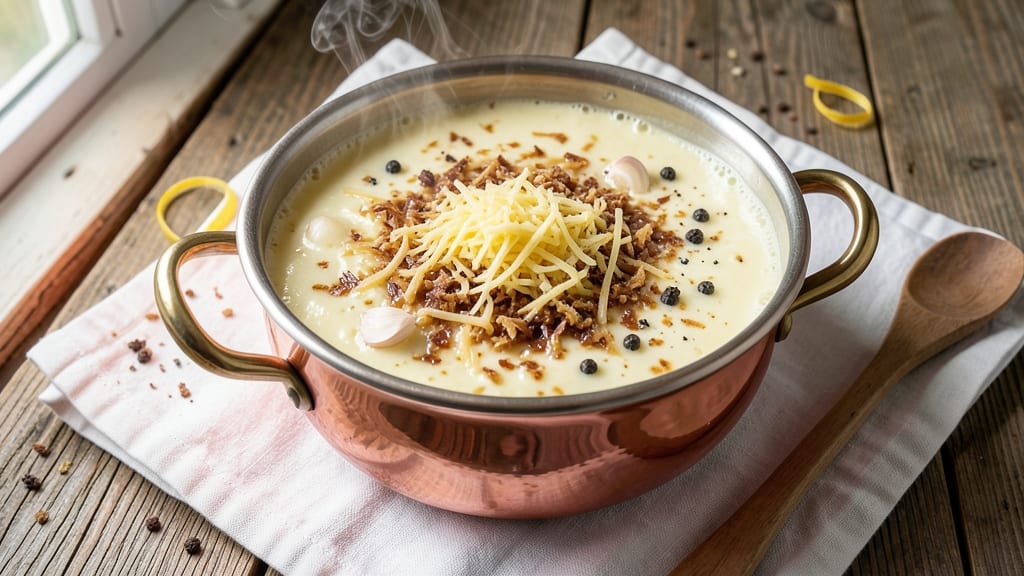
This authentic Swiss cheese fondue recipe transforms a simple gathering into a cherished tradition—where every bite of crispy bread or tender potato becomes a moment of shared warmth.
The secret lies in the perfect blend of Emmental and Gruyère cheeses, melted slowly with white wine and garlic, creating a velvety, golden pool that's impossible to resist.
Using a traditional caquelon fondue pot ensures even heat distribution, while the ritual of dipping bread and swirling the cheese reinforces why this dish feels like a celebration.
The magic starts with proper cheese preparation—grating it yourself for maximum flavor and ensuring it melts smoothly without separating. A touch of white wine and cornstarch acts as a natural emulsifier, while black pepper and kirsch (or brandy) add depth.
The bread, lightly toasted with garlic butter, becomes the perfect vehicle for that crispy exterior and melt-in-your-mouth cheese. This isn't just a recipe; it's an experience designed for connection, where every guest becomes part of the process.
What sets this apart is the attention to authenticity—from the choice of cheeses to the communal serving style. The fondue pot stays at a precise temperature, allowing the cheese to remain silky rather than grainy.
Serve with pickled vegetables or cured meats for contrast, and watch as the golden cheese transforms everything it touches. The result? A dish that feels like a hug in food form, perfect for cold evenings or special occasions.
Troubleshooting is simple: if the cheese threatens to separate, stir in a splash of cold milk or a bit more cornstarch. And remember, the true joy of fondue lies in the sharing—pass the pot, laugh over dropped bread, and savor the warmth of a dish that brings people together.
Let's create this timeless experience.
Ingredients for authentic swiss cheese fondue
Six ingredients transform a simple gathering into a golden, melty Swiss celebration.
| Ingredient | Amount | Notes |
|---|---|---|
| Emmental Cheese 🧀 | 2 cups | Freshly grated, block preferred |
| Gruyère Cheese 🧀 | 2 cups | Freshly grated, block preferred |
| Dry White Wine 🍷 | 1 cup | Sauvignon Blanc or Chardonnay |
| Garlic Cloves 🧄 | 4 cloves | Fresh, minced for depth |
| Cornstarch 🌾 | 2 tbsp | For smooth melting |
| Black Peppercorns 🌶️ | 1 tsp | Freshly cracked |
| Kirsch or Brandy 🍷 | 2 tbsp | Optional but recommended |
| Unsalted Butter 🧈 | 4 tbsp | For bread topping |
| Baguette 🍞 | 1 whole | Crusty, sliced into 1-inch pieces |
| Russet Potatoes 🥔 | 2 medium | Peeled, cut into 1-inch cubes |
| Sea Salt 🧂 | 1 tsp | For seasoning |
| Caquelon Fondue Pot 🍲 | 1 whole | Traditional fondue pot |
The cheese is everything here. Emmental and Gruyère from a specialty cheese shop—like Murray's Cheese or Whole Foods—make all the difference. Look for blocks with good marbling, not pre-shredded. The wine? Dry whites like Sauvignon Blanc cut through the richness perfectly. I always grab a bottle of Louis Latour if I'm feeling fancy, but any crisp white works. The cornstarch is non-negotiable—it keeps the cheese silky instead of grainy. And for the bread? Baguette from a French bakery (or Trader Joe's) gives that perfect crusty texture.
No caquelon? A heavy-bottomed saucepan or fondue set works in a pinch. Short on Gruyère? Comté cheese at half the amount adds a similar nuttiness. The kirsch can be swapped for brandy—just reduce to 1 tbsp if you're sensitive to alcohol flavors. For the potatoes, Yukon Golds hold up better if you're making them ahead. And if you're worried about the cheese separating, keep a splash of cold milk nearby—it's your secret weapon. The bread? Toss it in melted butter and garlic before serving for that extra-crispy edge.
Prep the bread and potatoes ahead—they stay fresh for 2 days in the fridge. The cheese mixture reheats beautifully, so make extra for leftovers. Store it in an airtight container with a thin layer of olive oil on top to keep it fresh for 3 days. The fondue pot? Hand-wash only—it's not dishwasher safe. And remember, the true magic happens in the sharing, so keep the pot at the center of the table. The cheese keeps best at 160°F, so use a fondue thermometer if you're feeling precise.
Why You'll Love This Recipe
- Here’s what sold me: the Gruyère’s nutty depth and Emmental’s melt-in-your-mouth smoothness, all wrapped in dry white wine that doesn’t taste like cooking. That first dip of crusty bread into the golden, garlicky pool? It’s like Switzerland moved into my kitchen. (And no, it’s not just “good”—it’s the kind of fondue that makes you pause mid-dip to take a sip of wine just to savor the moment.)
- I’ll be real: I’ve never had fondue leftovers go to waste. The cheese sauce thickens beautifully when reheated (just add a splash of wine and stir), and it’s weirdly budget-friendly—Gruyère’s pricey, but a block lasts forever if you’re smart about portions. Plus, the cornstarch trick means it doesn’t turn into a sad, grainy mess. Honestly, the only thing better than the first batch is the second one, served cold in sandwiches the next day.
Step-by-step instructions for authentic Swiss cheese fondue
Here's how to create the perfect melty, crispy fondue that brings Swiss mountain charm to your table.
Prepare the Cheese Mixture
In a large bowl, combine the 2 cups Emmental Cheese and 2 cups Gruyère Cheese, freshly grated from blocks for maximum flavor. Add the 1 cup Dry White Wine and 2 tbsp Kirsch or Brandy if using, then stir until the cheese is broken down into small, even pieces. This ensures smooth melting later.
Next, sprinkle the 2 tbsp Cornstarch and 1 tsp Black Peppercorns over the cheese mixture. Gently fold everything together with a wooden spoon until fully incorporated. The cornstarch acts as a natural thickener, while the freshly cracked peppercorns add that essential Swiss fondue bite. Set this mixture aside while you prepare the fondue pot.
Set Up the Caquelon Fondue Pot
Place the 1 whole Caquelon Fondue Pot over a stovetop burner set to low heat. Add the 4 cloves Garlic Cloves, minced finely, to the pot and let them gently warm for about 1 minute until fragrant. This step builds the aromatic foundation of your fondue.
Once the garlic is fragrant, add the cheese mixture to the pot. Stir constantly with a wooden spoon, using gentle, circular motions. The cheese will begin to melt almost immediately, but keep stirring until it reaches a smooth, creamy consistency. This process should take about 5-7 minutes. The key is patience—rushing this step can create lumps that won't melt properly.
Create the Perfect Fondue Texture
After the cheese has melted completely, remove the pot from the heat. The mixture should be smooth and glossy, with a temperature just below 160°F—hot enough to melt the bread but not so hot it burns. If the fondue looks too thick, add 1-2 tablespoons of hot water to reach the ideal pouring consistency.
Real talk: This is where authenticity matters. The fondue should be thick enough to coat the back of a spoon but still flow smoothly. If it's too thin, it won't properly melt the bread; if too thick, it'll be difficult to dip. Taste and adjust—this is your quality control moment.
Prepare the Dipping Accompaniments
While the fondue cooks, slice the 1 whole Baguette into 1-inch thick pieces and arrange them on a serving platter. In a separate bowl, toss the 2 medium Russet Potatoes, peeled and cut into 1-inch cubes, with a pinch of 1 tsp Sea Salt and a drizzle of olive oil. Roast these potatoes at 400°F for 20-25 minutes until golden and crispy.
Melt the 4 tbsp Unsalted Butter in a small saucepan over low heat, then brush it generously over each slice of baguette. The butter adds richness and helps create that perfect crispy crust when dipped. Arrange everything around the fondue pot for easy serving.
Serve and Enjoy with Traditional Fondue Etiquette
Place the Caquelon Fondue Pot in the center of your table with the fondue fork on a long handle. The cheese should be bubbling gently but not boiling—this is the perfect temperature for dipping. Each guest should dip their bread into the cheese, holding it at a slight angle for even coating.
For that authentic Swiss experience, have guests scrape their plates clean with the fondue fork after each bite. The crispy bread will soak up the melted cheese beautifully, creating a perfect balance of textures. Serve with extra wine to complement the flavors and enjoy this cozy, communal meal.
Pro Tips For Making Authentic Swiss Cheese Fondue
- SHRED BY HAND: I learned this the hard way—using a food processor for the cheese makes fondue grainy and uneven. Grab a sharp knife and cut the Emmental and Gruyère into ½-inch cubes first, then shred them with your fingers over a fine-mesh strainer. The texture stays silky, and you avoid rubbery bits.
- USE COLD CHEESE: Take the cheese straight from the fridge—room temperature is the enemy here. Cold cheese melts smoother and doesn’t scald the wine. If you’re in a rush, pop the blocks in the freezer for 10 minutes first, then shred. It sounds counterintuitive, but it works.
- WHISK THE WINE FIRST: Don’t just toss the wine in—heat it first to evaporate some alcohol. Warm the white wine in a small saucepan until it’s just simmering (about 3 minutes), then let it cool slightly. This keeps the fondue from tasting harsh or boozy, and the cornstarch binds better to warm liquid.
- STIR CONSTANTLY AT FIRST: The first 5 minutes are critical—if you walk away, you’ll end up with a gloppy mess. Use a wooden spoon to stir vigorously in small circles, scraping the bottom constantly. Once the cheese fully incorporates (it’ll go from grainy to glossy), you can ease up—but don’t stop until it’s fully emulsified.
Flavor customization for these flavors
Cheese Blend Variations
While the classic combo of Emmental and Gruyère is essential, you can experiment with other Swiss cheeses for unique flavors. Try replacing ½ cup Gruyère with ½ cup Appenzeller for a tangier, slightly funky profile—it adds depth that pairs beautifully with the wine.
For a milder option, swap ½ cup Emmental with ½ cup Sbrinz, which has a nutty, caramelized sweetness when melted. I've found that Beaujolais wine works surprisingly well with these variations, balancing the stronger cheeses. 🧀
Wine and Liquor Adjustments
If you're avoiding alcohol entirely, replace the white wine with chicken or vegetable broth—it adds richness without the boozy kick. For the kirsch or brandy, try apple cider or even a splash of lemon juice for brightness.
If you love spice, add ½ tsp ground nutmeg along with the peppercorns—it’s a nod to traditional Swiss flavors. I once used dry Riesling instead of Sauvignon Blanc, and the extra fruitiness made the fondue taste almost dessert-like. 🍷
Vegetable and Protein Add-Ins
For a heartier fondue, stir ½ cup finely chopped mushrooms or caramelized onions into the cheese mixture before melting. These add umami depth without overpowering.
If you're serving cured meats like prosciutto or salami, keep them on the side for dipping—pair them with dried apricots or figs for a sweet-savory contrast. For a vegetarian twist, try roasted red peppers or sun-dried tomatoes alongside the bread. 🥔
Sweet Fondue Twist
Transform your savory fondue into a decadent dessert by swapping the cheeses for 2 cups mascarpone and 1 cup powdered sugar, then adding 1 tsp vanilla extract and 2 tbsp rum (or more kirsch!). Serve with apple slices, strawberries, or chocolate-dipped pretzels for dipping.
The texture remains silky, but the flavor becomes pure comfort—perfect for a cozy winter night. I’ve made this version for holiday gatherings, and it’s always a crowd-pleaser. 🍎
Spice and Herb Infusions
Elevate your fondue with fresh herbs like thyme or rosemary, finely chopped and stirred into the cheese mixture. For heat, add ½ tsp smoked paprika or a pinch of cayenne—it’s subtle but adds a smoky kick.
If you love umami, try 1 tsp fish sauce (trust me, it works!) or ½ tsp soy sauce for a savory boost. I once added crumbled bacon to the cheese while melting, and it gave the fondue a surprisingly gourmet depth. 🌶️
Gluten-Free and Allergen-Friendly
For gluten-free fondue, replace the baguette with sliced zucchini or gluten-free crackers—both hold up well when dipped. Use cornstarch-free arrowroot powder instead of cornstarch to avoid allergens.
If someone has a dairy sensitivity, try a nut-based fondue with cashew cream (soak 1 cup cashews overnight, blend with 1 cup water, and strain) mixed with nutritional yeast for a cheesy flavor. It’s not traditional, but it’s a game-changer for inclusive gatherings. 🌱
Nutrition facts
Frequently asked questions
What's the best way to prevent cheese separation in fondue?
Use freshly grated Emmental and Gruyère from blocks, not pre-shredded cheese. The cornstarch (2 tbsp) acts as a natural emulsifier, while keeping heat at low prevents overheating. If separation starts, stir in 1 tbsp cold milk to restore smoothness. Never let it boil—this is the #1 cause of grainy texture!
Can I make fondue ahead of time and reheat it?
Yes! Prepare the cheese mixture up to 2 days ahead and store it in an airtight container with a thin layer of olive oil on top. Reheat gently in the caquelon over low heat, stirring constantly until just melted (5 minutes max). The bread and potatoes should always be fresh—never pre-dipped.
What if I don't have a caquelon fondue pot?
Use a heavy-bottomed saucepan or even a fondue set with a heat diffuser. The key is even, gentle heat—never high. A slow cooker on "warm" setting works too, though it lacks the traditional presentation. Just keep the temperature at 160°F for perfect melting.
How do I keep the fondue at the right temperature?
Use a fondue thermometer to maintain 160°F. If it's too thin, remove from heat for 2-3 minutes to thicken. For extra insurance, place the pot on a heat diffuser** or use the lowest possible burner setting. The cheese should bubble gently, not vigorously.
What's the proper way to serve fondue with guests?
Place the pot at the table center with the fondue fork on a long handle. Each guest uses their own skewer to dip bread/potatoes, then scrapes their plate clean with the fork. The pot stays in the center—no passing it around! For authenticity, serve with pickles or cured meats on the side for contrast. The communal aspect is half the fun!