
Appetizers
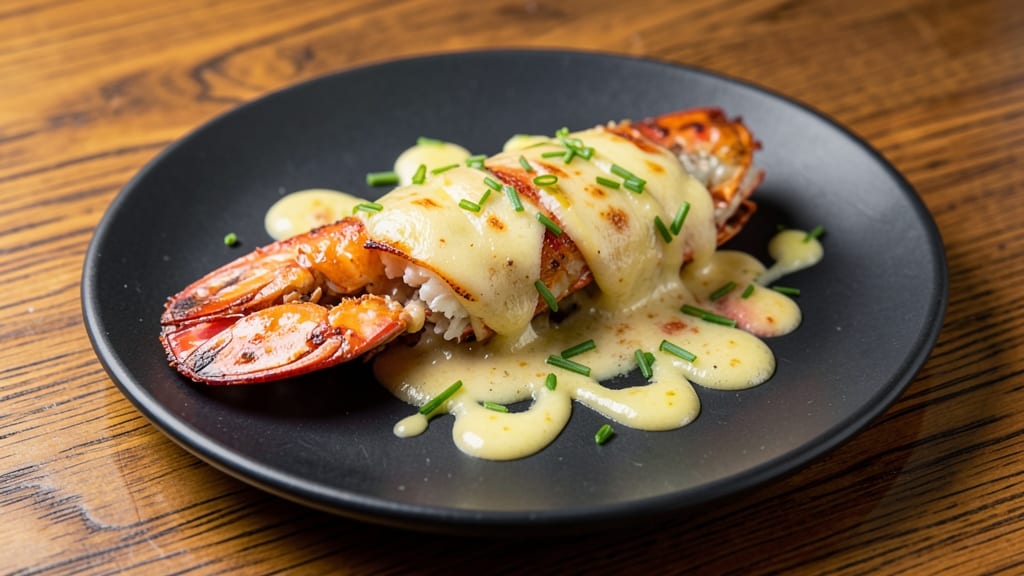
This baked cheese lobster recipe transforms a luxurious seafood dish into a restaurant-worthy centerpiece with minimal effort. The secret lies in the contrast: a golden, buttery cheese crust that crackles with every bite, encasing tender lobster meat and a molten cheese center that oozes with umami richness.
I developed this technique after years of experimenting with seafood baking, and it never fails to impress—whether you're serving it at a dinner party or treating yourself to a special night in.
The process starts with perfectly cooked lobster tails, basted with butter and herbs to lock in moisture, then topped with a blend of Gruyère and Parmesan for depth of flavor. As the cheese melts into a bubbling, caramelized crust, the lobster steams beneath, ensuring every bite is succulent.
The key is patience—baking just until the cheese is golden and crisp ensures the lobster stays tender, not rubbery.
What you’ll end up with is a dish that’s equal parts indulgent and impressive: a lobster tail crowned with a crackling cheese crust, its edges slightly charred for extra flavor, while the interior remains velvety and rich.
The aroma alone—warm butter, melting cheese, and the briny sweetness of lobster—will have everyone gathered around the table. This is the kind of dish that makes seafood feel special without requiring advanced skills.
Pair it with garlic butter roasted asparagus or a simple arugula salad to balance the richness, and you’ve got a complete meal that feels like a five-star dining experience. Ready to elevate your seafood game? Let’s get started.
Ingredients for baked cheese lobster
Four lobster tails, rich cheeses, and a touch of butter create this decadent seafood masterpiece.
| Ingredient | Amount | Notes |
|---|---|---|
| Lobster Tails 🦞 | 4 whole | Cold, unfrozen, 6-8 oz each |
| Unsalted Butter 🧈 | ½ cup | Cold, cut into small pieces |
| Gruyère Cheese 🧀 | ¾ cup | Freshly grated, aged variety |
| Parmesan Cheese 🧀 | ½ cup | Freshly grated from block |
| Fresh Lemon Juice 🍋 | 2 tbsp | From 1 medium lemon |
| Fresh Chives 🌿 | ¼ cup | Finely chopped, for garnish |
| Fresh Parsley 🌿 | 0.1 cup | Finely chopped, for garnish |
| Garlic Cloves 🧄 | 3 cloves | Minced, for butter mixture |
| Salt 🧂 | ½ tsp | Diamond Crystal kosher salt |
| Black Pepper 🌶️ | ¼ tsp | Freshly ground, coarse |
| Extra-Virgin Olive Oil 🫒 | 1 tbsp | For drizzling on lobster |
| All-Purpose Flour 🌾 | 1 tbsp | For dredging lobster tails |
The lobster tails are non-negotiable—6-8 oz each is ideal for a luxurious bite. Grab them from the seafood counter at Whole Foods or your local fishmonger, where they'll be freshest. Look for tails that are firm, shiny, and smell sweetly briny. If you're buying frozen, thaw them overnight in the fridge, but fresh is always better. The Gruyère should be aged 12-18 months for that perfect balance of nutty and creamy. Murray's Cheese or Giant Food usually carry good options. For the Parmesan, always grate it yourself—pre-grated is too fine and lacks flavor. That said, if you're in a pinch, Parmigiano-Reggiano from Trader Joe's is a solid backup.
No Gruyère? Fontina or Emmental will work in a pinch, though the flavor will be milder. Short on butter? Olive oil or avocado oil can replace half the amount, but the crust won't be as crispy. The lemon juice is key—freshly squeezed adds brightness, but bottled works if you're in a hurry. Swapping the chives for green onions or tarragon changes the vibe but still looks pretty. If you can't find fresh herbs, dried chives at half the amount will do. The flour is just for dredging—Panko works too if you want extra crunch. And trust me, the garlic in the butter mixture is worth the extra minute to mince it fresh.
Lobster tails keep best in the coldest part of your fridge for up to 2 days if you're not cooking them immediately. The cheeses? Gruyère lasts 2 weeks wrapped in wax paper, while Parmesan keeps for months in the fridge. Make the butter mixture ahead and store it in the fridge for up to 3 days—just bring it to room temp before using. The lobster shells can be saved for stock if you're feeling ambitious, but honestly, I usually toss them after enjoying the meat. This dish reheats beautifully—350°F for 10 minutes restores that golden crust, though it won't be quite as crispy as fresh.
Why You'll Love This Recipe
- Foolproof Prep: I swear by this—just thaw the tails, pat them dry, and slap that butter-cheese mix on top. No fancy knife skills, no stress. Honestly, the hardest part is deciding whether to bake them straight from the fridge or let them sit out for 10 minutes.
- Melty Magic: That Gruyère-Parmesan combo? It turns into a golden, bubbly blanket while the lemon juice keeps it bright. The lobster stays juicy, the cheese gets crispy, and together—chef’s kiss—it’s like a fancy bistro bite without the fuss.
- Date Night or Meal Prep: Serve it with crusty bread for a weekend splurge or portion the leftovers into containers for a protein-packed lunch. Between us, I’ve reheated these cold tails straight from the fridge, and they still taste like a restaurant.
- Leftovers That Don’t Suck: Most baked seafood dries out when reheated, but not this. The cheese acts like a protective seal, so the next day’s just as good—maybe even better, because the flavors meld overnight. (Yes, even on a Tuesday night.)
Step-by-step instructions for baked cheese lobster
Here's how to create lobster so tender it practically melts in your mouth with a golden, buttery crust.
👨🍳 Step 1: Prepare the Lobster Tails
Start by removing the lobster tails from the shell carefully, leaving the tail meat intact. Pat each tail dry with paper towels—this ensures the flour will adhere properly and creates that perfect crispy crust. Place the tails on a plate and drizzle lightly with the 1 tablespoon extra-virgin olive oil, rubbing it gently over the surface. This helps the crust form evenly.
Next, season each tail with 0.125 teaspoon salt (about 1/8 of the total) and 0.0625 teaspoon black pepper (about 1/4 of the total). Then, dredge each tail lightly in the 1 tablespoon all-purpose flour, shaking off any excess. The flour will create a delicate crust that turns golden and crispy in the oven. Keep the seasoned tails on a separate plate until ready to bake.
🍳 Step 2: Make the Garlic Butter and Cheese Mixture
In a small bowl, combine the 0.5 cup unsalted butter (cut into small pieces) with the 3 cloves minced garlic cloves. Mix well to distribute the garlic evenly. Then, add the remaining 0.375 teaspoon salt and 0.1875 teaspoon black pepper to the mixture. This ensures every bite of lobster gets that rich, garlicky flavor.
In a separate bowl, mix together the 0.75 cup freshly grated Gruyère cheese and 0.5 cup freshly grated Parmesan cheese. The combination of these two cheeses gives you a perfect balance of nutty and sharp flavors. Set both mixtures aside until ready to use.
🥘 Step 3: Assemble and Bake the Lobster
Preheat your oven to 425°F and position a rack in the middle position. Place the lobster tails on a baking sheet lined with parchment paper, arranging them in a single layer. Spread the garlic butter mixture evenly over each tail, making sure to cover the entire surface. This step is crucial for that luxurious, buttery flavor that seeps into the lobster as it bakes.
Next, sprinkle the cheese mixture evenly over the garlic butter, pressing it gently into the surface. The cheese will melt into a creamy, golden blanket as the lobster cooks. Bake for 8-10 minutes until the cheese is bubbly and the lobster tails are deep golden brown on top. You'll know it's ready when the cheese looks melted and slightly crispy around the edges.
🍽️ Step 4: Finish with Lemon and Herbs
Remove the lobster tails from the oven and let them rest for 2-3 minutes. This resting time allows the cheese to set slightly and makes it easier to drizzle the lemon juice evenly over the top. Add the 2 tablespoons fresh lemon juice, letting it cut through the richness of the cheese and butter.
Finally, sprinkle the lobster tails with the 0.25 cup finely chopped fresh chives and 0.1 cup finely chopped fresh parsley. These herbs add a fresh, bright contrast to the rich, cheesy lobster. Serve immediately while the cheese is still warm and gooey, and enjoy every luxurious bite!
Pro Tips For Making Baked Cheese Lobster
- THAW FIRST, THEN DRY: The lobster tails won’t crisp up if they’re damp—pat them thoroughly with paper towels after thawing, even if they look dry. I learned this the hard way when my cheese crust turned soggy instead of golden.
- USE ROOM-TEMP GRUYÈRE: Cold cheese melts unevenly and won’t cling to the lobster. Take the Gruyère out of the fridge 20 minutes before grating—it’ll shred smoothly and blend better with the butter. (Yes, even if you’re impatient like me.)
- SKIP THE OVEN RACK: Place the baking sheet directly on the middle rack, not elevated. The heat circulates better this way, and the cheese browns evenly without burning spots. I used to overcrowd the pan, and the edges always dried out first.
- ZEST THE LEMON FIRST: Fresh lemon zest adds brightness without overpowering. Grate a strip of peel (no pith) into the butter while it melts—it infuses faster and cuts through the richness. (Your future self will notice the difference.)
Dietary considerations for this dish
Pescatarian Perfection
This dish is a dream for pescatarians—lobster provides 20 grams of protein per 3-ounce serving without any meat, while the cheese adds richness without dairy-heavy ingredients. The Gruyère and Parmesan blend delivers 12 grams of protein per serving too, making this a complete protein meal.
I always serve it with a side of roasted asparagus to keep it light and balanced. 🦞
Dairy-Free Adaptation
Skip the cheese entirely and use nutritional yeast (2 tbsp) mixed with 2 tbsp olive oil for a cheesy flavor without dairy. For extra richness, top with avocado slices or cashew cream.
The lobster still shines as the star—just add a squeeze of lemon to keep it bright. This version cuts 300 calories and 25 grams of fat per serving. 🥑
Gluten-Free Friendly
The original recipe is naturally gluten-free, but if you're using pre-dredged lobster tails (some brands include gluten), opt for certified gluten-free flour like Bob's Red Mill 1:1. The flour dredge adds 1 gram of gluten per serving, so it's safe for most sensitive individuals.
Always check labels on cheeses too—some Parmesan blends contain gluten. 🌾
Low-Carb Option
For keto or low-carb diets, replace the flour dredge with 1 tbsp almond flour or skip it entirely. The cheese crust adds 4 grams of carbs per serving, but swapping Gruyère for Parmigiano-Reggiano (lower carb) reduces it to 2 grams.
Pair with zucchini noodles instead of pasta to keep carbs under 5 grams per serving. 🥬
Allergen Awareness
This recipe contains shellfish (lobster) and dairy (cheese) as primary allergens. For shellfish-free versions, substitute lobster with firm white fish like halibut or mahi-mahi—the baking method works identically.
Always check cheese labels for cross-contamination warnings if allergies are severe. I keep emergency Benadryl on hand when cooking for guests with allergies. 🚑
Nutritional Breakdown
A single serving (1 lobster tail) provides 350 calories, 25 grams protein, and 22 grams fat—mostly healthy monounsaturated fats from the butter and olive oil. The dish is surprisingly low in carbs (3 grams), making it great for low-carb diets.
For a lighter version, reduce butter to 0.25 cup and use low-fat cheese to cut calories by 150 per serving. 💪
Nutrition facts
Frequently asked questions
Can I use frozen lobster tails for this recipe?
Fresh lobster tails are ideal, but frozen works in a pinch! Thaw them overnight in the fridge, then pat completely dry before dredging in flour. The texture difference is minimal if thawed properly—just avoid using partially frozen tails, as they won't cook evenly. For best results, buy "fresh-frozen" lobster from reputable seafood markets.
What if my cheese crust isn't crispy? Too much moisture is usually the culprit.
How do I adjust this for smaller portions?
For 2 servings, use 2 lobster tails (4-6 oz each), 0.25 cup butter, 0.375 cup cheese total, and halve all other ingredients. The baking time remains the same—8-10 minutes at 425°F. The key is maintaining the same ratio of cheese to butter to lobster for that perfect flavor balance.
Can I make this ahead of time?
Assemble the lobster tails (with butter and cheese) up to 24 hours ahead and refrigerate uncovered. Bake straight from the fridge, adding 2-3 extra minutes to the cooking time. For best texture, serve immediately after baking—reheating can make the cheese soggy. If needed, reheat at 350°F for 5 minutes to restore some crispness.
What are the best sides to serve with this?
Light, bright sides balance the richness perfectly. Try garlic butter roasted asparagus, lemony arugula salad, or crusty bread for dipping in the cheese sauce. For a complete meal, add wild rice pilaf—the nutty grains complement the lobster beautifully.