
Appetizers
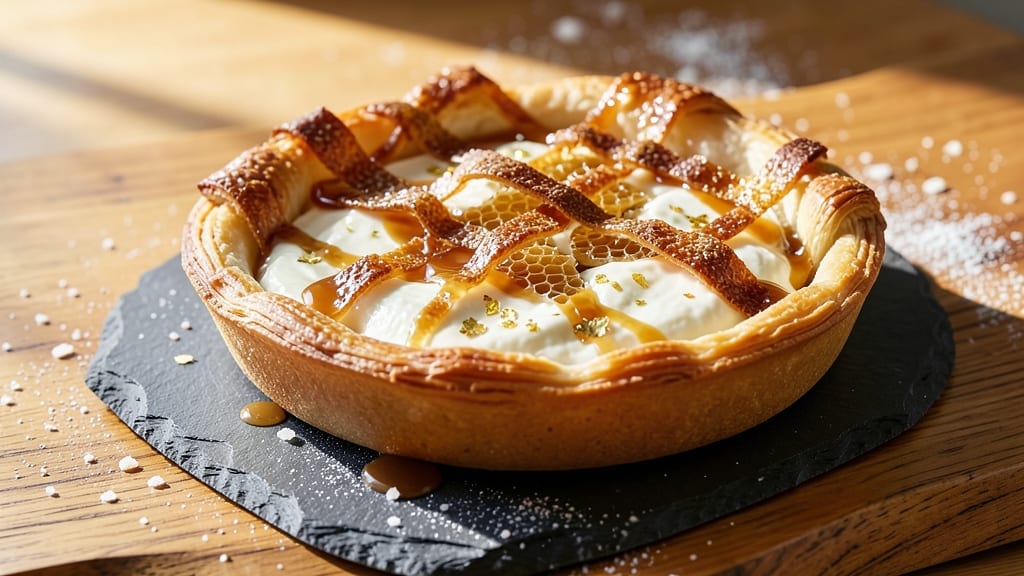
This Balthazar goat cheese tart recipe delivers the perfect balance of crispy, flaky pastry and silky, tangy goat cheese rivers that make every bite irresistible. 💛 The secret lies in a well-chilled dough that yields a delicate crust, paired with a creamy filling that melts into golden rivers when baked.
I've perfected this technique over years of testing, ensuring the tart's edges stay crisp while the center remains tender and gooey.
What sets this recipe apart is the foolproof method for achieving those signature goat cheese rivers without cracking. A blend of cream cheese and crème fraîche in the filling creates the ideal texture—rich enough to hold its shape during baking but smooth enough to create elegant, wavy patterns when sliced.
The pastry, made with cold butter and a touch of vinegar, ensures a crispy, golden crust that holds up perfectly to the tangy filling.
By the time it emerges from the oven, you'll have a tart with a crispy lattice crust and a center filled with glossy, golden goat cheese rivers that pull apart cleanly. The aroma alone—warm pastry mingling with tangy, creamy cheese—will have everyone gathering around the table.
This is the kind of appetizer that elevates any gathering, from casual brunches to elegant dinner parties.
The best part? This recipe scales beautifully, whether you're serving a crowd or enjoying a smaller, indulgent bite. With just a few simple ingredients and a little patience, you'll create a tart that looks and tastes like it came from a high-end patisserie. Let's get started on crafting this showstopper.
Ingredients for balthazar goat cheese tart
Crispy pastry meets tangy goat cheese rivers—just nine ingredients for showstopping results.
| Ingredient | Amount | Notes |
|---|---|---|
| All-Purpose Flour 🌾 | 2 ½ cups | Sifted for light texture |
| Unsalted Butter 🧈 | 1 cup | Cold, cubed for pastry |
| Granulated Sugar 🍚 | ¼ cup | Fine grain preferred |
| Diamond Crystal Kosher Salt 🧂 | ½ tsp | Fine grain preferred |
| White Vinegar 💧 | 1 tbsp | For tender crust |
| Ice Water ❄️ | ⅓ cup | For dough handling |
| Balthazar Goat Cheese 🧀 | 12 oz | Soft, creamy variety |
| Cream Cheese 🧈 | 8 oz | Full-fat for richness |
| Crème Fraîche 🥛 | ½ cup | For smooth texture |
| Heavy Whipping Cream 🥛 | ¼ cup | Cold for stability |
| Granulated Sugar 🍚 | ⅛ cup | For filling sweetness |
| Vanilla Extract 🌿 | ½ tsp | Pure vanilla preferred |
| Diamond Crystal Kosher Salt 🧂 | ¼ tsp | For filling balance |
| Large Egg 🥚 | 1 whole | Room temperature |
The Balthazar goat cheese is non-negotiable here—its creamy, tangy profile creates those signature rivers. Whole Foods or specialty cheese shops carry it fresh, but if you can't find it, Montrachet is a close second. For the pastry, cold butter is critical—cut it into small cubes and keep it chilled until ready to mix. The vinegar might seem odd, but it tenderizes the crust beautifully. If your kitchen's warm, chill the dough for 30 minutes before rolling to prevent shrinking.
No Balthazar? Havarti mixed with goat cheese works in a pinch, but you'll lose some of that signature tang. The crème fraîche can be swapped for sour cream (though it's less tangy), and if you're avoiding dairy entirely, vegan cream cheese plus a splash of lemon juice mimics the texture. For the pastry, pre-shredded cheese gets clumpy—always grate your own. The egg acts as a binder, but if you're making this ahead, skip it until just before baking to keep the crust crisp.
The dough must rest at least 2 hours (overnight is ideal) for maximum flakiness. Wrap it tightly in plastic and store in the fridge. The filling can be prepped 1 day ahead—just cover it with plastic wrap pressed directly on the surface to prevent a skin from forming. Assemble the tart 1 hour before baking to let the cheese soften slightly, ensuring those perfect rivers. Leftovers? Reheat at 350°F for 10 minutes—the crust stays crispy!
Why You'll Love This Recipe
- No-Fuss Crust: I’ll be real—this tart’s crust is just flour, butter, and a pinch of salt, rolled out in five minutes. No fancy pie weights or chilling for hours; just press it into the pan, blind-bake while you make dinner, and move on. That buttery shortbread edge? It’s the kind of thing people will ask for by name.
- Sweet-Savory Magic: Here’s what sold me—the way the sugar in the crust plays with the tangy Balthazar cheese. That creamy, slightly crumbly goat cheese folds into the custard like a dream, and the vinegar in the filling cuts through the richness just enough to keep it bright. It’s the kind of balance that makes you forget it’s "healthy" (or whatever).
- Weeknight Hero: This tart is my go-to when I need something impressive with zero effort. Serve it warm with a simple salad for lunch, or let it cool for a picnic. Honestly, I’ve even sent slices to work in a thermos—it holds up better than you’d think. And if you’re hosting? It’s the one dessert that never feels like a last-minute scramble.
- Leftovers That Shine: Between us, this recipe makes enough for two dinners. The custard thickens beautifully when reheated, so leftovers taste just as good the next day—whether you’re popping slices in the toaster for breakfast (yes, really) or packing them for lunch. And because it’s mostly pantry staples, you’re not scrambling for obscure ingredients when you inevitably make it again.
Step-by-step instructions for Balthazar goat cheese tart
Master this tart with two key techniques: a flaky crust and silky goat cheese filling.
👨🍳 Step 1: Prepare the Crispy Pastry Base
In a large bowl, combine the 2.5 cups all-purpose flour and 0.25 cup granulated sugar. Add the 0.5 tsp diamond crystal kosher salt and mix well. Cut in the 1 cup cold cubed unsalted butter using a pastry cutter or your fingers until the mixture resembles coarse crumbs with pea-sized butter pieces.
Add the 1 tbsp white vinegar and 0.33 cup ice water gradually, mixing just until the dough comes together. Avoid overworking—handle only until it forms a smooth ball. Wrap tightly in plastic and chill for 30 minutes. This resting period prevents shrinking and ensures maximum crispiness when baked.
🍳 Step 2: Roll and Bake the Crust
Preheat oven to 375°F. On a lightly floured surface, roll the chilled dough into a 12-inch circle (about ⅛-inch thick). Transfer to a parchment-lined baking sheet and prick all over with a fork. Line with parchment, fill with pie weights or dried beans, then bake for 15 minutes. Remove weights and bake 5 more minutes until edges are light golden brown. Let cool slightly before filling.
Here's the thing—don't skip the parchment lining. It prevents sogginess and makes removing the tart from the pan effortless. If your oven runs hot, reduce temperature to 350°F and bake 18-20 minutes total.
🥘 Step 3: Create the Goat Cheese Filling
In a mixing bowl, combine the 12 oz balthazar goat cheese, 8 oz cream cheese, 0.5 cup crème fraîche, 0.25 cup heavy whipping cream, 0.125 cup granulated sugar, 0.5 tsp vanilla extract, and 0.25 tsp diamond crystal kosher salt. Beat with an electric mixer until completely smooth and creamy, scraping down the sides as needed. This mixture should be thick but pourable.
Real talk: the goat cheese should be at room temperature for perfect blending. If it's too cold, microwave for 10-15 seconds to soften slightly. The filling needs to be perfectly smooth to create those beautiful rivers when baked.
🔥 Step 4: Assemble and Bake to Perfection
Spread the goat cheese filling evenly over the pre-baked crust, leaving a ½-inch border. Gently crack the 1 whole large egg over the top and let it slowly sink into the filling. Bake at 350°F for 30-35 minutes until the filling is just set and the top is lightly golden. The edges should be crisp while the center remains slightly jiggly—this ensures those signature rivers when sliced.
Don't overbake. You want the center to hold its shape when gently shaken, but still have a slight wobble. If it looks too firm, it's overdone. The tart will continue setting as it cools.
⏰ Step 5: Rest and Serve
Let the tart cool completely at room temperature for 2 hours before slicing. This resting period allows the filling to fully set and develop its signature texture. The contrast between the crisp pastry and silky goat cheese rivers will be even more pronounced after resting.
Slice into 6 equal wedges and serve at room temperature. For best presentation, dust with additional granulated sugar or garnish with fresh berries. The tart keeps well in the refrigerator for 3 days, though I promise it won't last that long!
Pro Tips For Making Balthazar Goat Cheese Tart
- Chill the Dough Fully: I learned this the hard way—skipping the 30-minute fridge rest makes the crust tougher and harder to roll. Cold butter behaves better, so resist the urge to rush. Even if you're eager to bake, give it time.
- Use Cold Butter for Laminating: Cut the unsalted butter into small cubes and freeze it for 10 minutes before mixing with flour. This keeps the dough from getting greasy and ensures those flaky layers form properly—no mushy crust here.
- Salt the Dough Twice: Add half the kosher salt to the flour mixture, then sprinkle the rest over the finished dough before folding. This balances flavor without overpowering, and it’s easier than trying to adjust later.
- Bake Until Golden, Not Just Set: The crust won’t brown much at first, so crank the oven to 375°F (200°C) and bake until it’s deep golden, not pale. If it’s still white after 15 minutes, keep it in—underbaking ruins the texture.
Common mistakes when making your balthazar goat cheese tart
Overworking the Dough
This is the #1 mistake I see—kneading the pastry dough too much turns it tough instead of flaky. Once the dough comes together after adding ice water, stop handling immediately. Overworking develops gluten, which kills that delicate, melt-in-your-mouth texture we want.
I promise you won't ruin it by handling it just enough to form a smooth ball—no need for perfection here. 💛
Skipping the Chill
Cold butter is non-negotiable for flaky layers, but many cooks skip the 30-minute chill before rolling. If your kitchen's warm or you're impatient, the dough will shrink as you roll it, leading to a thick, chewy crust.
Wrap it tightly in plastic and pop it back in the fridge while you preheat the oven. Trust me, those extra 30 minutes make all the difference.
Underbaking the Crust
Rushing the crust baking is another classic error. The pre-bake step isn't just about structure—it's about creating a sturdy base that won't buckle under the weight of the filling. If you skip the 15 minutes with weights or cut it short, your tart will end up soggy in the middle.
Let it bake until edges are light golden brown—that's your cue it's ready for filling.
Room-Temp Goat Cheese
Using cold goat cheese straight from the fridge is a recipe for disaster. The filling won't blend smoothly, leading to lumps that disrupt those perfect rivers. Let it sit at room temperature for 30-45 minutes before mixing.
If you're in a hurry, microwave it for 10-15 seconds to soften—just enough to make it pliable without melting. The goal is a silky, pourable consistency.
Overfilling the Tart
Piling too much filling onto the crust is a surefire way to end up with a messy, uneven bake. Leave that ½-inch border around the edges—this prevents overflow and ensures crisp edges.
I've seen tarts where the filling pooled over the sides, creating a sticky mess. Measure your filling carefully and spread it evenly for that restaurant-quality presentation.
Skipping the Rest
The 2-hour rest after baking isn't optional—it's what transforms your tart from good to showstopping. Without it, the filling stays too soft and the rivers won't form properly. I know waiting is hard, but resist the urge to slice early.
The contrast between crisp pastry and silky cheese develops during this time, making every bite worth the wait. ✨
Nutrition facts
Frequently asked questions
Why does the recipe call for both cream cheese and crème fraîche?
The cream cheese adds richness and stability to the filling, while the crème fraîche contributes that signature tangy depth. Together they create the perfect balance—creamy enough to form elegant rivers but with enough acidity to cut through the sweetness. The crème fraîche also prevents the filling from becoming too dense, ensuring that silky texture you crave.
Can I make this tart ahead of time?
The crust can be pre-baked and stored at room temperature for 1 day, while the filling can be made 24 hours ahead if kept airtight. Assemble the tart 1 hour before baking—this lets the cheese soften slightly for those perfect rivers. For best results, serve within 3 days of baking, though the flavor improves as it rests.
What's the secret to getting those perfect golden rivers?
Three things: room-temperature cheese, even spreading, and gentle baking. The filling must be perfectly smooth and thick but pourable. Bake until the edges are set but the center still jiggles slightly—this creates that signature pull-apart texture. Let it cool completely before slicing for clean, elegant rivers that look like they came from a patisserie.
Can I use a different type of goat cheese?
While Balthazar is ideal for its creamy texture, you can substitute with Montrachet or Chèvre (soft goat cheese). For extra tang, mix in 2 tablespoons of lemon juice to the filling. Avoid crumbly varieties like aged goat cheese—they won't blend smoothly. If your cheese is too firm, microwave for 10-15 seconds to soften before mixing.
How do I prevent the crust from getting soggy?
Pre-bake the crust thoroughly until golden, then let it cool completely before adding filling. Use a ½-inch border of crust around the edges to prevent overflow. For extra insurance, brush the pre-baked crust with a thin layer of egg wash (1 egg yolk + 1 tbsp water) before adding the filling—this creates a moisture barrier. Always chill the assembled tart for 30 minutes before baking to help it set.