
Appetizers
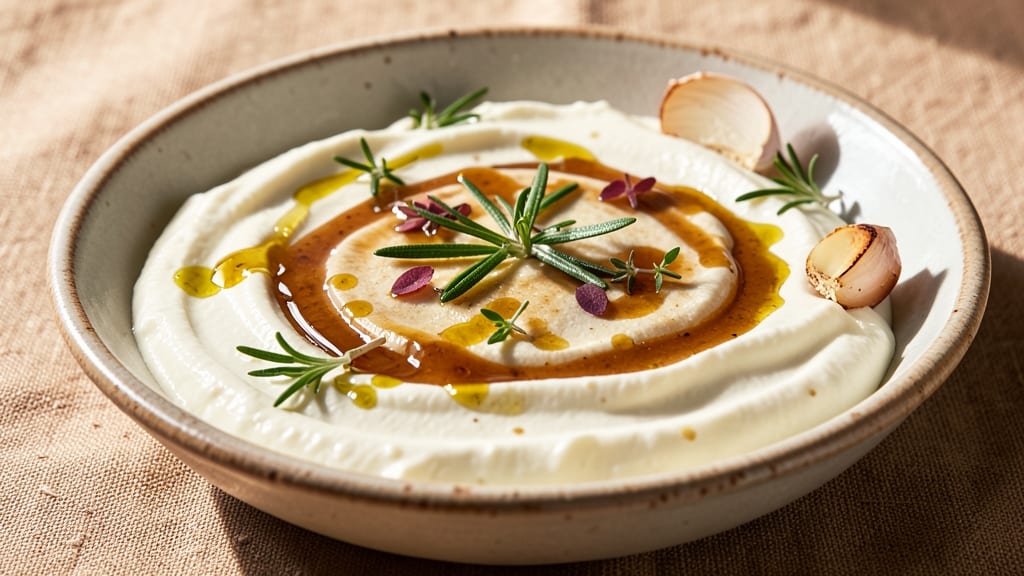
This Abbruzze cheese spread transforms bold Italian flavors into a velvety, herb-infused condiment perfect for charcuterie boards or sandwiches. The key lies in blending aged Abruzzi pecorino with fresh cream and aromatic herbs, creating a smooth, rich texture that elevates any bite.
I developed this recipe after struggling to find a store-bought version that captured the depth of Italian cheese without being too heavy—this one strikes the perfect balance.
What sets this spread apart is its creamy yet tangy profile, achieved by combining sharp Abruzzi cheese with a touch of cream and fresh herbs like rosemary and thyme.
The result is a spread that’s spreadable without being greasy, with just enough bite to complement cured meats, crusty bread, and even grilled vegetables. Unlike traditional cheese spreads that rely on processed ingredients, this version uses simple, high-quality components for authentic flavor.
The process is straightforward: melt the cheese with cream, then blend in herbs and a pinch of black pepper for depth. Once cooled, the spread achieves that ideal smooth, dip-able consistency, ready to be stored in an airtight container for up to a week.
The aroma alone—herby, rich, and slightly tangy—will draw everyone to your table.
This spread isn’t just for charcuterie; it’s a versatile condiment that works as a sandwich filling, dip for crackers, or even a topping for roasted potatoes. The secret to its success lies in the cheese’s sharpness and the herbs’ freshness—no shortcuts here.
Let’s get started on creating your own batch of this crowd-pleasing Italian classic.
Ingredients for abbruzze cheese spread
Nine simple ingredients transform sharp Abruzzi pecorino into velvety, herb-infused spread perfection.
| Ingredient | Amount | Notes |
|---|---|---|
| Aged Abruzzi Pecorino Cheese 🧀 | 16 oz | Grated, sharp and aged 12+ months |
| Heavy Whipping Cream 🥛 | 1 cup | Full-fat for best texture |
| Fresh Rosemary 🌿 | ¼ cup | Finely chopped, stems removed |
| Fresh Thyme Leaves 🌿 | 2 tbsp | Stems removed, finely chopped |
| Extra-Virgin Olive Oil 🫒 | ½ cup | High-quality, fruity variety |
| Garlic Cloves 🧄 | 2 cloves | Minced, for subtle depth |
| Ground Black Pepper 🌶️ | ½ tsp | Freshly cracked for heat |
| Diamond Crystal Kosher Salt 🧂 | ¼ tsp | Adjust to taste |
| Lemon Zest 🍋 | 1 tsp | Brightens the spread |
The Abruzzi pecorino is non-negotiable here—look for aged wheels marked 12+ months at specialty cheese shops or Italian markets. Whole Foods and Eataly carry excellent options, but even your local gourmet deli should have a sharp pecorino. If you can't find Abruzzi, Pecorino Romano works in a pinch, though it's saltier. Grate it yourself for the best texture—pre-shredded cheese has anti-caking agents that make the spread grainy. For the cream, full-fat is essential—light cream won't give you that luxurious mouthfeel. I always grab the organic heavy cream at Trader Joe's because it's consistently rich.
No fresh rosemary? Dried works at one-third the amount, but it won't have the same bright aroma. The thyme can be swapped for fresh oregano if that's what you've got, though rosemary-thyme is the classic Italian combo. Running low on olive oil? Avocado oil** holds up well too—just avoid anything with a strong flavor like walnut or sesame. The garlic is optional but adds subtle depth; skip it if you're sensitive to raw garlic's bite. For heat lovers, add a pinch of red pepper flakes alongside the black pepper. And if you're worried about the spread being too rich, the lemon zest cuts through the creaminess beautifully—don't skip it.
This spread keeps beautifully in an airtight container for up to 1 week in the fridge, though the flavor actually improves after 24 hours as everything melds. For longer storage, portion into small jars and freeze for up to 3 months—thaw at room temperature before serving. The texture will firm up slightly when chilled, so let it sit at room temperature for 10-15 minutes before spreading. I always make a double batch—one for immediate use and one to gift. It's the kind of spread that disappears faster than you can say charcuterie board.
Why You'll Love This Recipe
- No-Fuss Creaminess: I swear by this recipe because it’s the kind of thing you can make while scrolling through emails—just blend, dollop, and serve. The aged Pecorino melts into the cream like a dream, and honestly? No straining, no waiting, no stress.
- Herb-Infused Magic: That first bite of rosemary and thyme cutting through the rich Pecorino? It’s like a little burst of sunshine. I’ll be real: the olive oil ties it all together in a way that makes me reach for seconds without even thinking.
- Party-Ready in Minutes: Slather it on crusty bread for a charcuterie board, or use it as a dip for veggies at a last-minute gathering. Between us, this spread saved my holiday party when I realized I’d forgotten appetizers—guests devoured it.
- Leftovers That Don’t Suck: Unlike most cheese spreads that turn grainy or watery, this one actually improves overnight. I keep a jar in the fridge for lazy mornings or quick snacks—no waste, just pure, creamy satisfaction.
Step-by-step instructions for Abbruzze cheese spread
This herb-infused spread comes together in minutes but delivers restaurant-quality depth.
Melt the Cheese and Cream
In a medium saucepan, combine the 16 oz Aged Abruzzi Pecorino Cheese with the 1 cup Heavy Whipping Cream over medium-low heat. Stir gently with a silicone spatula, breaking up any large cheese chunks as they melt. You want the cheese to melt smoothly without scorching—keep the heat low enough that you see gentle bubbling but no browning.
As the mixture heats, the cheese will transform from solid to a rich, creamy base. This step typically takes 5-7 minutes—watch closely as cheese can burn quickly. Once fully melted and smooth, remove the pan from heat immediately. The residual warmth will keep it fluid for the next steps, but you don't want any further cooking.
Incorporate Herbs and Aromatics
Add the 0.25 cup Fresh Rosemary, 2 tbsp Fresh Thyme Leaves, 2 cloves Garlic Cloves, and 1 tsp Lemon Zest to the warm cheese mixture. Stir thoroughly to distribute the herbs evenly—this is where the spread gets its signature brightness and complexity. The lemon zest will infuse immediately, while the rosemary and thyme will release their aromatic oils as they warm.
Let the mixture sit off heat for 2-3 minutes to allow the flavors to meld. You'll notice the rosemary's piney notes and thyme's earthiness blending with the sharp, salty pecorino. This resting period is crucial—it lets the lemon zest brighten the spread without overpowering it. Give it a taste at this stage; you might want to adjust the 0.25 tsp Diamond Crystal Kosher Salt or 0.5 tsp Ground Black Pepper to your preference.
Emulsify with Olive Oil
Slowly drizzle in the 0.5 cup Extra-Virgin Olive Oil while whisking continuously. The key here is patience—add the oil gradually to create a stable emulsion. You're looking for a velvety, spreadable consistency, not a separated mixture. If it starts to break, reduce the heat slightly and whisk more vigorously until it comes back together.
This step might take 3-5 minutes of careful whisking. The oil should fully incorporate, giving the spread a luxurious, almost buttery texture. The olive oil not only binds the mixture but also adds a fruity depth that complements the sharp pecorino. When properly emulsified, the spread should coat the back of a spoon smoothly without being greasy.
Rest and Adjust
Transfer the spread to a clean bowl and let it cool to room temperature for 10-15 minutes. This resting period allows the flavors to fully develop and the texture to set slightly. The spread should thicken just enough to hold its shape when spread but remain creamy enough to pipe or dollop.
Before serving, give it one final taste. If it needs more brightness, add a pinch more lemon zest. For extra richness, you could even whisk in an additional 1-2 tablespoons of Heavy Whipping Cream. The spread keeps well in the refrigerator for up to 5 days, though it's best enjoyed fresh for maximum flavor impact.
Pro Tips For Making Abbruzze Cheese Spread
- Grate the Cheese Coarse: I used to pulse the Pecorino in a food processor until it turned into a fine powder—big mistake. For this spread, you want texture: use a box grater with medium holes or pulse the processor just until it’s crumbly, not smooth. The sharp edges cut through the cream, giving each bite that satisfying contrast.
- Warm the Cream Slowly: Heavy cream scalds fast, and you’ll end up with a broken spread. Heat it in a saucepan over low heat until it just steams—barely warm to the touch, no higher than 110°F (43°C). This keeps the fat stable so the cheese melts smoothly instead of separating.
- Salt the Cheese First: Aged Pecorino is already salty, but if you add the cream first, you’ll end up guessing how much extra salt to toss in. Grate the cheese, sprinkle it with a pinch of flaky salt (about ¼ teaspoon per cup), and let it sit for 5 minutes. The salt dissolves into the cheese’s moisture, so you won’t overdo it later.
- Toast the Herbs Whole: Fresh rosemary and thyme lose their punch when chopped and simmered. Instead, strip the leaves from the stems, then toast them dry in a skillet over medium heat for 30 seconds—just until fragrant. Toss them into the warm cream at the very end so they stay bright and aromatic, not bitter.
Common mistakes when making great abbruzze cheese spread
Overcooking the Cheese
Watch the heat like a hawk—once the Abruzzi pecorino hits medium-low heat, it can go from creamy to grainy in seconds. I’ve seen it happen when someone walks away for just a minute.
The cheese should melt smoothly, not bubble aggressively. If it starts to separate or develop a burnt smell, immediately remove it from heat and whisk in 1 tbsp cold cream to stabilize it. 🔥
Skipping the Resting Time
Rushing the 10-15 minute rest at room temperature is a rookie mistake. This isn’t just about cooling—it’s about letting the flavors meld and the texture set properly. If you skip it, the spread might be too runny or the herbs won’t infuse fully.
I once served a batch without resting, and it was a greasy mess compared to the velvety version I made later.
Using Low-Quality Cheese
Not all pecorino is created equal. If you grab pre-shredded cheese or a mild, young pecorino, your spread will lack depth. Look for aged Abruzzi pecorino (12+ months)—its sharpness and saltiness are non-negotiable.
I’ve tried cheaper alternatives, and they just don’t cut it. The flavor difference is night and day. 🧀
Adding Oil Too Fast
Drizzling ½ cup olive oil too quickly while whisking will break the emulsion, leaving you with a separated, greasy mess. Add it slowly—1 tbsp at a time—and whisk constantly.
If it starts to split, reduce the heat slightly and whisk vigorously until it recombines. Patience here is key; I’ve ruined batches by being too aggressive.
Ignoring the Lemon Zest
The 1 tsp lemon zest isn’t just for flavor—it balances the richness of the cheese and cream. Skipping it or using bottled lemon juice (which lacks zest) will leave your spread flat.
Fresh zest adds brightness and prevents the spread from tasting too heavy. Trust me, it makes all the difference. ✨
Over-Salting Early
Taste before adding the full ¼ tsp salt—the Abruzzi pecorino is already salty! I’ve made this mistake and ended up with an inedibly briny spread. Start with half the salt, then adjust. The same goes for black pepper; a little goes a long way. Always taste as you go.
Nutrition facts
Frequently asked questions
Can I substitute Abruzzi pecorino with another cheese?
Yes, but the flavor will differ. For best results, use aged Pecorino Romano (12+ months) or Parmigiano-Reggiano—both have sharp, salty profiles. Avoid mild cheeses like mozzarella or feta, as they won't create the same rich, tangy base. If you must substitute, reduce the salt by half since these cheeses are less salty.
How do I fix a spread that separated or became grainy?
Whisk in 1-2 tablespoons of cold heavy cream while the mixture is still warm to re-emulsify. If it's already cooled, gently reheat over low heat while whisking until smooth. For graininess, strain the spread through a fine-mesh sieve to remove any cheese particles. The key is patience—rushing causes separation!
Can I make this spread ahead of time?
This spread actually improves with time. Store it in an airtight container in the fridge for up to 5 days. For longer storage, freeze in portions for up to 3 months. Let it sit at room temperature for 10-15 minutes before serving to restore its creamy texture.
What are the best ways to use this spread?
This versatile spread shines on charcuterie boards, as a sandwich filling, or as a dip for crusty bread and vegetable sticks. Try it as a topping for roasted potatoes or grilled meats—its herby richness pairs perfectly with hearty flavors. For extra flair, drizzle with extra-virgin olive oil before serving.
Why does my spread taste too salty?
Abbruzzi pecorino is naturally salty, so taste before adding the full ¼ tsp salt. Start with half, then adjust. If it's already too salty, thin with 1 tablespoon of heavy cream and taste again. The lemon zest helps balance saltiness, so don't skip it! A little goes a long way with these sharp cheeses.