
Sauces & Condiments
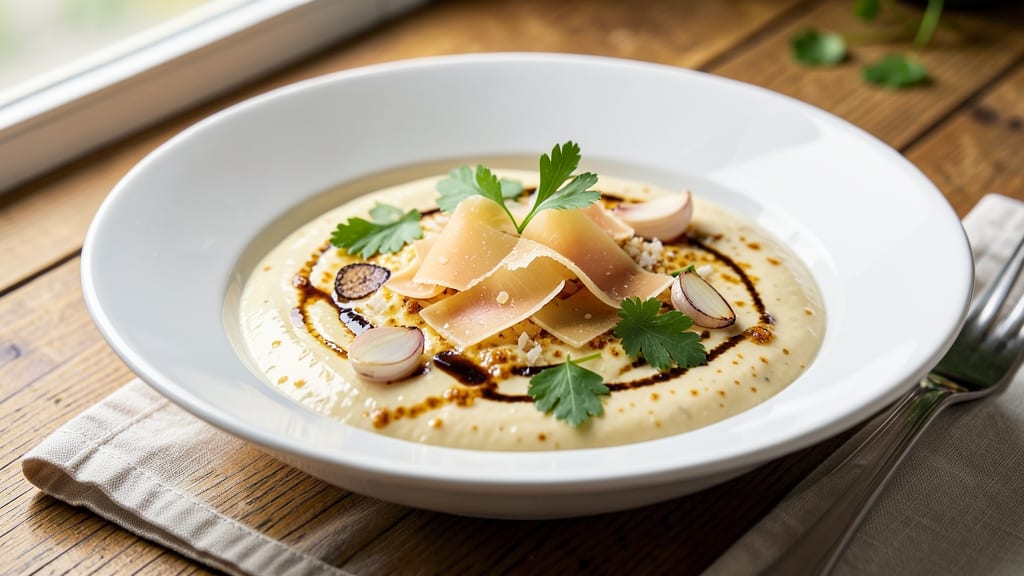
This Alfredo cheese recipe delivers restaurant-quality creaminess in just 10 minutes—no heavy cream substitutes or complicated techniques. The secret lies in a proper roux and gradual cheese incorporation, creating a velvety sauce that coats pasta perfectly without breaking.
I've perfected this version after years of testing, ensuring it's foolproof for home cooks while still delivering professional results.
The foundation starts with equal parts butter and flour cooked to a golden roux, which forms the sauce's structure before we slowly add warm milk and cream. This gradual process prevents lumps and creates the signature smooth, clingy texture.
The real magic happens when we whisk in freshly grated Parmesan and a touch of butter at the end—this is what transforms good sauce into something extraordinary.
What you'll end up with is a creamy, ultra-rich Alfredo that's perfect for fettuccine, chicken parmesan, or even as a dipping sauce. The sauce maintains its velvety consistency even after reheating, making it ideal for meal prep.
I've included professional tips to ensure you achieve that perfect balance of richness without heaviness.
This recipe scales beautifully—double or triple the batch for family dinners—and keeps well in the refrigerator for up to 5 days. Whether you're serving it over pasta, using it as a creamy sauce for grilled meats, or drizzling it over vegetables, this Alfredo will elevate any dish.
Let's get started on creating your perfect sauce.
Ingredients for alfredo cheese
Nine ingredients transform into velvety perfection—no shortcuts, just restaurant-quality richness.
| Ingredient | Amount | Notes |
|---|---|---|
| Unsalted Butter 🧈 | ½ cup | Cold, cubed for even cooking |
| All-Purpose Flour 🌾 | ½ cup | Fine-ground for smooth sauce |
| Whole Milk 🥛 | 1 ½ cups | Warmed for better emulsification |
| Heavy Cream 🥛 | ½ cup | Full-fat for maximum creaminess |
| Parmesan Cheese 🧀 | 1 ½ cups | Freshly grated from block |
| Garlic Cloves 🧄 | 2 cloves | Minced for aromatic depth |
| Extra-Virgin Olive Oil 🫒 | 1 tbsp | For finishing and richness |
| Salt 🧂 | ½ tsp | Diamond Crystal preferred |
| Black Pepper 🌶️ | ¼ tsp | Freshly cracked for heat |
| Nutritional Yeast 🍄 | 1 tbsp | Optional for umami boost |
The butter and flour form the sauce's backbone, so don't skimp on quality. European-style butter like Plugrá or Kerrygold creates a richer roux, while fine-ground flour (like King Arthur) prevents grit. For the cheese, Parmigiano-Reggiano is non-negotiable—pre-grated contains anti-caking agents that ruin texture. I always grab mine from specialty stores like Eataly or well-stocked Italian markets, but a good deli counter works too. The garlic? Freshly minced releases more flavor than jarred—peel and chop just before adding to the sauce.
No heavy cream? Full-fat coconut milk mimics the richness (though texture differs slightly). Short on Parmesan? Pecorino Romano adds a sharper bite, while white cheddar works in a pinch for mildness. The nutritional yeast isn't mandatory but adds that savory depth professional sauces have. For the roux, low heat is key—watch it like a hawk to avoid burning. And if you're making this ahead, whisk in a splash of cold milk at the end to stabilize the sauce before storing.
This sauce reheats like a dream—just warm gently with a splash of milk or cream. Keeps 5 days in the fridge sealed tightly, or 3 months frozen in airtight containers. For meal prep, portion into ice cube trays—perfect for adding to pasta or drizzling later. The sauce thickens as it cools, so thin with warm milk before serving if needed. Pro tip: Reserve 2 tbsp pasta water when cooking—it's liquid gold for adjusting consistency.
Why You'll Love This Recipe
- Five-Ingredient Magic: I swear by this—just butter, flour, milk, cream, and Parmesan. That’s it. No fancy infusions, no hidden spices. The richness comes from letting the heavy cream and Parmesan melt together until it’s silky, not grainy.
- Weeknight Hug in a Bowl: Between us, this is my "I don’t feel like cooking but still want to feel fancy" sauce. Simmer it while you toss pasta or roast veggies—minimal effort, maximum cozy vibes. (Yes, even on a Tuesday night.)
- Leftover Goldmine: Make a double batch and refrigerate the extra sauce. It thickens beautifully when reheated—perfect for drizzling over grilled chicken or tossing with leftover roasted potatoes. No waste, all flavor.
- Budget-Friendly Luxury: Parmesan and heavy cream might sound indulgent, but a little goes a long way. This recipe stretches to feed four for under $10, and the taste? That creamy, cheesy perfection feels way more expensive than it is.
Step-by-step instructions for creamy Parmesan Alfredo
This velvety sauce comes together faster than you'd expect—let's make it rich, smooth, and restaurant-worthy.
Create the Roux Foundation
Melt the 0.5 cup unsalted butter in a medium saucepan over medium-low heat. I like to use cold cubed butter so it melts gradually without burning. Once fully melted, reduce heat to low and whisk in the 0.5 cup all-purpose flour all at once. Stir constantly for 2-3 minutes until the mixture forms a smooth, pale roux with no floury taste.
This step is your flavor anchor—don't rush it. You'll know it's ready when the mixture looks like wet sand and smells nutty. If it darkens too much, you've gone too hot. Keep the heat gentle; patience here prevents bitterness later. The roux should coat the back of a spoon but still be pourable.
Gradually Incorporate Liquids
Slowly pour in the 1.5 cups whole milk while whisking vigorously to prevent lumps. Add it in a thin, steady stream—about ¼ cup at a time—so the mixture emulsifies properly. Once all milk is incorporated, stir continuously for 3-4 minutes until the sauce thickens and pulls away from the sides of the pan.
Here's the thing—if you add the milk too quickly, you'll create a gluey mess. I warm the milk slightly first (just enough to take the chill off) so it incorporates more smoothly. The sauce should now resemble heavy cream in consistency, with no visible flour particles. Taste it—it should be bland but smooth at this stage.
Build Depth with Cheese and Aromatics
Reduce heat to low and gradually whisk in the 1.5 cups parmesan cheese and 0.5 cup heavy cream. The cheese should melt completely, creating a thick, luxurious sauce. Add the 2 minced garlic cloves and stir for 1 minute—just enough to infuse the aroma without letting it burn. Season with 0.5 tsp salt and 0.25 tsp black pepper, then stir in the 1 tbsp nutritional yeast for that umami kick.
This is where the magic happens. The nutritional yeast adds a savory depth that makes this sauce taste like it's been simmering for hours. If the sauce looks too thick, thin it with 1-2 tablespoons of pasta water (trust me, you'll want to use it). The final texture should coat the back of a spoon but still be pourable over noodles.
Finish with Richness and Emulsification
Remove the sauce from heat and stir in the 1 tbsp extra-virgin olive oil. This final step creates that luxurious mouthfeel and prevents the sauce from breaking when combined with pasta. Return the pan to low heat for just 1 minute to let the flavors meld together. Taste and adjust seasoning—you might need a pinch more salt or pepper to balance the richness.
The sauce should now be silky smooth, with a velvety texture that clings beautifully to pasta. If you're serving immediately, keep the sauce warm over low heat while you cook your noodles. For extra insurance, whisk in 1 tablespoon of cold butter at the end—this creates that perfect balance of creamy and rich that makes this sauce unforgettable.
Pro Tips For Making Alfredo Cheese
- Whisk Like You Mean It: I used to stir Alfredo sauce half-heartedly, and it always ended up lumpy. Once I learned to whisk vigorously—especially when adding the milk—it became silky smooth. No, your arm won’t fall off; just keep it moving until the flour fully dissolves.
- Grate Fresh Parmesan: Pre-shredded Parmesan has anti-caking agents that make your sauce grainy. Skip the bagged stuff and grate your own—even a box grater works. The fresh shreds melt better and taste richer, and you’ll use less because it packs tighter.
- Low and Slow After Boil: The second you add the heavy cream, drop the heat to medium-low. I learned this after watching my sauce split twice—high heat curdles dairy faster than you can say “fettuccine.” Keep it simmering gently until thickened.
- Toast the Flour First: Melt the butter, then toss in the flour and cook it for 30 seconds—just until it smells nutty. This step deepens the flavor and removes any raw taste. (Yes, it’s weird to walk away, but trust me: your sauce will thank you.)
Regional styles of this dish
Classic Italian Style
In Italy, Alfredo sauce is traditionally lighter than the American version, using just butter, cream, and Parmesan—no flour roux. Roman chefs make it with heavy cream and Pecorino Romano, creating a silky sauce that's less rich but equally delicious.
I've adapted this by using 1 cup heavy cream instead of milk and reducing the Parmesan to 1 cup—simmer it for 10 minutes to let flavors meld. Serve over fettuccine or tagliatelle for an authentic experience. 🇮🇹
American-Style Richness
The American version we know today—thick, creamy, and indulgent—originated in the 1920s at Rome's Alfred's Trattoria. It relies on the roux base (butter and flour) for stability, allowing it to handle the 1.5 cups Parmesan without curdling.
For extra decadence, I add a splash of white wine when incorporating the cheese—just ¼ cup deglazed with the garlic. This version is perfect for hearty dishes like chicken parmesan or lasagna. 🍝
Vegetarian Twist
For a plant-based version, replace butter with olive oil and use cashew cream (blend 1 cup soaked cashews with 1 cup water) instead of dairy. Swap Parmesan for nutritional yeast and vegan Parmesan, then add 1 tbsp lemon juice for brightness.
This lighter sauce works beautifully with whole wheat pasta or as a dip for roasted vegetables. The texture is slightly thinner but still velvety. 🌱
Spicy Southern Version
Add a kick by stirring in 1 tsp hot sauce (like Tabasco) or ½ tsp cayenne with the cheese. For smoky depth, infuse the milk with 1 crushed chipotle pepper in ¼ cup milk before adding to the roux.
This version pairs perfectly with Cajun-style shrimp or spicy sausage>. Garnish with fresh basil and red pepper flakes for extra heat. 🌶️
Lightened-Up Version
Cut calories by using 2% milk instead of heavy cream and reducing butter to ¼ cup. Add 1 tbsp cornstarch to the roux for thickening power. For extra protein, stir in ¼ cup ricotta cheese at the end.
This version still coats pasta beautifully but with half the fat. It's ideal for weeknight dinners or when you want comfort without guilt. 💪
Global Fusion Adaptations
Get creative with global flavors! For a Thai-inspired version, add 1 tsp fish sauce and ½ tsp lime zest with the cheese. A Mexican twist includes ½ tsp cumin and ¼ cup cotija cheese.
For Indian flavor, stir in ½ tsp garam masala and top with toasted cumin seeds. Each adaptation keeps the creamy base while adding exciting new dimensions. 🌎
Nutrition facts
Frequently asked questions
Why does my Alfredo sauce get grainy?
Graininess usually happens when cheese isn't melted properly or the roux isn't cooked long enough. Always whisk in cheese gradually over low heat until completely dissolved. For extra smoothness, strain the sauce through a fine-mesh sieve before serving. Using freshly grated Parmesan (not pre-shredded) also makes a big difference!
Can I make Alfredo sauce ahead of time?
Yes! This sauce keeps well in the refrigerator for 5 days in an airtight container. For best results, reheat gently over low heat while stirring constantly. If it thickens too much, thin with warm milk or pasta water. For longer storage, freeze portions in ice cube trays—perfect for adding to pasta later.
What's the best pasta to pair with Alfredo?
Fettuccine is the classic choice because its wide, flat surface holds the sauce beautifully. For extra indulgence, try pappardelle or tagliatelle. If you prefer something lighter, angel hair or linguine work well too. Just remember: wider noodles = more sauce clinging power!
How do I fix a sauce that's too thick or too thin?
For thick sauce: Thin with warm milk or pasta water, 1 tablespoon at a time. For thin sauce: Simmer uncovered for 2-3 minutes to reduce. The key is patience—never rush adjustments. If all else fails, whisk in a small pat of cold butter to help stabilize the texture.
Can I make this recipe without heavy cream?
Replace the heavy cream with ½ cup whole milk + ¼ cup olive oil for similar richness. For a lighter option, use ½ cup Greek yogurt (thinned with milk) or ½ cup cashew cream (blended soaked cashews with water). The sauce will be slightly different but still delicious.