
Side Dishes
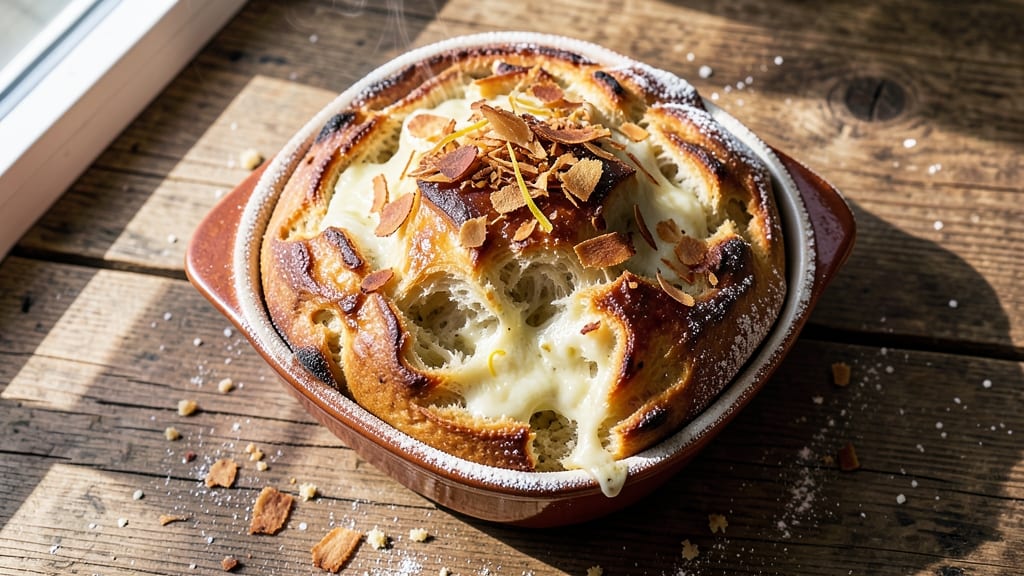
This artisan asiago cheese bread recipe delivers a pull-apart crust with rivers of nutty, melted cheese that transforms any meal into a showstopper. The secret lies in combining a simple yeast dough with sharp asiago, creating that signature gooey texture and rich umami flavor that keeps everyone reaching for seconds.
I've perfected this technique over years of testing—balancing crispy edges with tender, chewy centers that hold their shape even when pulled apart.
The dough comes together in just 15 minutes of active prep, with a 2-hour rise that develops deep flavor. What makes this recipe stand out is the cheese—freshly grated asiago, melted directly into the dough, creates those signature cheese rivers that ooze dramatically when sliced.
The crust develops a golden-brown hue with a satisfying crunch, while the interior stays soft and pillowy.
By the time it emerges from the oven, you'll have a loaf that's impossible to resist—golden, aromatic, and packed with that unmistakable asiago aroma. The cheese pulls into strings when torn, creating that restaurant-quality texture that makes this bread worth every minute of wait time.
Serve warm with marinara for dipping or as a side to complement hearty entrees.
For an extra touch of sophistication, sprinkle with flaky sea salt and fresh rosemary before baking. This bread keeps well for 3 days at room temperature, making it perfect for meal prep or entertaining. Let's get started on creating your next favorite centerpiece dish.
Ingredients for artisan asiago cheese bread
Fifteen minutes of prep, two hours of rising, and one golden loaf of cheesy perfection.
| Ingredient | Amount | Notes |
|---|---|---|
| All-Purpose Flour 🌾 | 4 cups | Sifted for light texture |
| Active Dry Yeast 🍞 | 2 ¼ tsp | Single-use packet preferred |
| Granulated Sugar 🍚 | 1 tbsp | For yeast activation |
| Warm Water 💧 | 1 cup | 110°F for yeast activation |
| Unsalted Butter 🧈 | ½ cup | Cold, cubed for dough |
| Asiago Cheese 🧀 | 2 cups | Freshly grated, sharp variety |
| Large Egg 🥚 | 1 whole | Room temperature |
| Garlic Cloves 🧄 | 2 cloves | Minced for flavor |
| Flaky Sea Salt 🧂 | 1 ½ tsp | For finishing |
| Fresh Rosemary 🌿 | 1 tbsp | Chopped, for garnish |
| Extra-Virgin Olive Oil 🫒 | 2 tbsp | For dough and brushing |
The asiago is non-negotiable here—sharp, freshly grated asiago gives those signature cheese rivers. Whole Foods or specialty cheese shops carry the best, but any quality block works if you grate it yourself (pre-shredded gets clumpy). For the butter, Land O'Lakes or Plugrá are reliable, but grab whatever's coldest in your fridge—it melts slower during kneading. The yeast? Single-use packets are foolproof, but if you have bulk yeast, use 1/4 tsp (it's stronger than active dry). Warm the water to 110°F—yeast dies if it's too hot, but it won't activate if it's cold.
No asiago? Parmesan or pecorino in a pinch, but the flavor won't be as rich. Short on butter? Olive oil or coconut oil works, but butter gives that signature flakiness. The garlic can be jarred minced if you're in a rush, but fresh is always better. For the flour, King Arthur or Bob's Red Mill are my go-tos—high protein means better structure. If you're gluten-sensitive, swap for a 1:1 gluten-free flour blend (add 1 tsp xanthan gum), but the texture won't be identical.
Shape the dough into a 9x5-inch loaf pan for classic pull-apart texture, or free-form for a rustic look. Let it rise at room temp for 1.5 hours (it should double), then bake at 375°F for 25-30 minutes until golden. The cheese rivers form as it cools—don't slice too soon. Keeps 3 days at room temp wrapped in a towel, or 3 months frozen. Reheat in a 350°F oven for 10 minutes to restore that gooey magic.
Why You'll Love This Recipe
- No Yeast Fuss: I swear by this dough—just mix the warm water, sugar, and yeast, let it sit for 5 minutes, and boom, it’s ready. No waiting hours for it to rise like some fancy sourdough. That butter gets folded in last, and suddenly you’ve got a pull-apart loaf that’s ridiculously easy to shape.
- Asiago Magic: Here’s what sold me—the way the sharp, nutty asiago melts into the crust. It’s not just any cheese bread; the moment you pull it from the oven, that golden crust cracks open, and the gooey cheese pulls in thick strands. My kids grab slices straight from the pan—no shame.
- Weeknight Hero: This bread is my go-to when I’m scrambling for dinner. Toss it in the oven while I sauté veggies or throw together a quick pasta. It’s also the star of picnic baskets (packs like a dream) or a lazy Sunday brunch spread. Honestly, I’ve lost track of how many ways I’ve repurposed it.
- Budget Stretch: A single batch feeds four for dinner and leaves enough for tomorrow’s lunch. The ingredients? Basic pantry staples—flour, yeast, butter—plus a block of asiago that stretches further than pre-shredded. I make two loaves at once, freeze one, and thank myself later. (Yes, even on a Tuesday night.)
Step-by-step instructions for artisan asiago cheese bread
Here's how to make a golden, pull-apart loaf with rivers of nutty Asiago cheese.
Activate the Yeast and Mix the Dough
In a small bowl, combine the 1 cup warm water (about 110°F) with the 1 tablespoon granulated sugar and 2.25 teaspoons active dry yeast. Let it sit for 5-10 minutes until foamy—this means the yeast is alive and ready to work. If it doesn't foam, your yeast might be dead, and you'll need to start over.
In a large bowl, whisk together the 4 cups all-purpose flour and 1.5 teaspoons flaky sea salt. Cut in the ½ cup cold unsalted butter using a pastry cutter or your fingers until the mixture resembles coarse crumbs. Pour in the yeast mixture and 1 whole large egg, mixing until a shaggy dough forms. Turn it out onto a lightly floured surface and knead for 8-10 minutes until smooth and elastic. The dough should be slightly tacky but not sticky—add a little more flour if needed.
Incorporate the Cheese and Let It Rise
Transfer the dough back to the bowl, cover it loosely with plastic wrap, and let it rise in a warm place for 1 hour, or until it has doubled in size. This first rise develops the gluten and gives the bread structure. While the dough rises, grate 1 cup of the Asiago cheese (reserve the rest for later) and finely mince the 2 cloves garlic. Chop the 1 tablespoon fresh rosemary and set aside.
Once the dough has risen, punch it down to deflate it, then fold in the grated Asiago cheese, minced garlic, and chopped rosemary. Knead gently for another 2 minutes to distribute the ingredients evenly. Cover the bowl again and let it rise for another 30-45 minutes, until it puffs up slightly. This second rise ensures a light, airy texture.
Shape and Second Rise for Maximum Flavor
Grease a 9x5-inch loaf pan with 1 tablespoon extra-virgin olive oil and dust it lightly with flour. Transfer the dough to the pan and shape it into a log, pressing gently to fill the corners. Cover the pan with a damp towel and let the dough rise for 1 hour, or until it reaches the top of the pan. The dough should feel springy when pressed lightly—this is your cue that it's ready for the oven.
Preheat your oven to 375°F and brush the risen dough with the remaining 1 tablespoon extra-virgin olive oil. Sprinkle the remaining 1 cup grated Asiago cheese evenly over the top, pressing it lightly into the dough so it melts into those gorgeous cheese rivers. Sprinkle the 1.5 teaspoons flaky sea salt over the cheese for a burst of flavor.
Bake Until Golden and Crusty
Bake the bread for 30-35 minutes, until the top is deep golden brown and the internal temperature reaches 190°F. The bread should pull away from the sides of the pan slightly, and the crust should sound hollow when tapped. If the top browns too quickly, tent the pan with foil to prevent over-browning while the center finishes baking.
Let the bread cool in the pan for 10 minutes, then transfer it to a wire rack to cool completely. The cheese should have melted into gooey rivers, and the crust should be crisp and fragrant. Slice it while still warm for the best texture—each pull should reveal tender, cheesy layers with a crisp exterior.
Serve Warm for Maximum Enjoyment
Serve the bread warm, straight from the oven, with a side of marinara sauce for dipping or alongside a hearty soup. The contrast of the crispy crust and melted cheese makes every bite irresistible. Store leftovers wrapped in foil at room temperature for up to 2 days, or freeze for up to 3 months—just reheat in a 350°F oven for 10-15 minutes to restore that pull-apart perfection.
Pro Tips For Making Artisan Asiago Cheese Bread
- Use Room-Temp Butter: Cold butter makes for a dense, greasy loaf—no one wants that. Let your unsalted butter sit out for 30 minutes before mixing it into the dough. Warm hands work too if you’re impatient, but don’t melt it. You’re aiming for soft, pliable, not liquid.
- Bloom Yeast in Warm Water: Skip the dry yeast shortcut and proof it in the warm water first—it’ll wake up faster and work better. After 5 minutes, you should see tiny bubbles. If it’s sluggish, your water’s too cool; if it’s frothy immediately, it’s too hot. Adjust next time.
- Knead Until Silky: This dough needs 8-10 minutes of serious kneading by hand (or 5-6 on a stand mixer with a dough hook) until it’s smooth and springs back when poked. I learned the hard way—under-kneaded dough tears when shaping and doesn’t rise evenly.
- Shape Loaves Tightly: Pack the dough into your pan firmly, leaving just a finger’s width of space at the top. Press the edges down hard to seal—this prevents air gaps and ensures a solid rise. If it looks messy, don’t stress; it’ll still bake perfectly.
Troubleshooting your artisan asiago cheese bread
Dough Too Sticky
If your dough feels overly sticky during kneading, you likely need more flour—but don’t overdo it. Gradually add 1 tablespoon at a time while kneading until it reaches a slightly tacky but manageable consistency. Over-flouring can make the bread dense.
I’ve found that King Arthur all-purpose flour absorbs moisture better than some brands, so adjust accordingly. Remember, the dough should pull away from your fingers cleanly but still feel slightly soft. 💡
Cheese Not Melting
If your asiago isn’t forming those signature rivers, it might be too cold or the oven temp too low. Preheat your oven to 375°F and let it stabilize for 15 minutes before baking.
For extra insurance, place a tray of water on the lower rack to create steam—this helps the cheese melt smoothly. Also, ensure your cheese is freshly grated (pre-shredded contains anti-caking agents that prevent melting).
Bread Too Dense
A dense loaf usually means the dough didn’t rise enough or was over-kneaded. Make sure your yeast is active (it should foam within 5-10 minutes in warm water).
For the first rise, place the dough in a warm spot—like a turned-off oven with the light on—or use a proofing box. If you’re short on time, try a 1-hour rise in the oven with the light on instead of the usual 2 hours at room temp.
Crust Too Pale
For a golden crust, brush the risen dough with extra-virgin olive oil before baking and sprinkle with flaky sea salt. If your bread still comes out pale, try increasing the oven temp to 390°F for the last 5-10 minutes of baking.
A broiler setting on low for 1-2 minutes at the end can also help achieve that perfect browning without burning.
Cheese Rivers Too Thin
Thin cheese rivers often mean the cheese wasn’t pressed into the dough deeply enough. After shaping the loaf, use your fingers to gently press the cheese into the top, creating small wells. For extra drama, sprinkle an additional ¼ cup grated asiago right before baking.
The cheese should melt into thick, gooey strands when sliced—this takes patience, but it’s worth it for that restaurant-quality texture. 🧀
Bread Sticks to Pan
To prevent sticking, grease your 9x5-inch loaf pan thoroughly with butter or olive oil, then dust with flour. For extra insurance, line the pan with parchment paper cut to fit the bottom. If your bread still sticks, it might be underbaked—check the internal temp with a thermometer.
Once it reaches 190°F, it should release cleanly from the pan. Let it cool for 10 minutes before removing to avoid tearing the crust.
Nutrition facts
Frequently asked questions
Can I make this bread without yeast?
While this recipe relies on yeast for that classic pull-apart texture, you can adapt it using a quick-rise method with baking powder (2 tsp) and baking soda (1 tsp) for a denser but still delicious result. The cheese rivers will still form, but the bread will have a slightly different crumb. For best results, reduce the water by 2 tablespoons and bake immediately after mixing.
How do I store leftovers to keep them fresh?
Wrap cooled bread tightly in plastic wrap or foil, then place it in an airtight container at room temperature for up to 3 days. For longer storage, freeze slices wrapped individually for up to 3 months. To reheat, warm in a 350°F oven for 10-15 minutes until the cheese becomes gooey again.
What's the best way to add extra flavor?
Try mixing in ½ teaspoon red pepper flakes with the cheese for a spicy kick, or fold in 1 tablespoon chopped sun-dried tomatoes for a Mediterranean twist. For a smoky flavor, add ½ teaspoon smoked paprika to the dough. Always adjust seasonings to taste—this bread is forgiving with bold flavors!
Why did my bread turn out dry?
Overbaking or underproofing usually causes dryness. Check your oven temp with a thermometer—it should read 375°F accurately. For proofing, ensure the dough doubles in size during rises. If it's still dry, try brushing warm bread with melted butter while still in the pan to restore moisture.
Can I use a different type of cheese?
While asiago gives the best flavor, you can substitute Parmesan (for nuttiness) or pecorino romano (for sharpness). Avoid pre-shredded cheese—it contains anti-caking agents that prevent proper melting. For a milder taste, blend asiago with mozzarella (50/50 ratio), but the signature rivers may be less dramatic.