
Appetizers
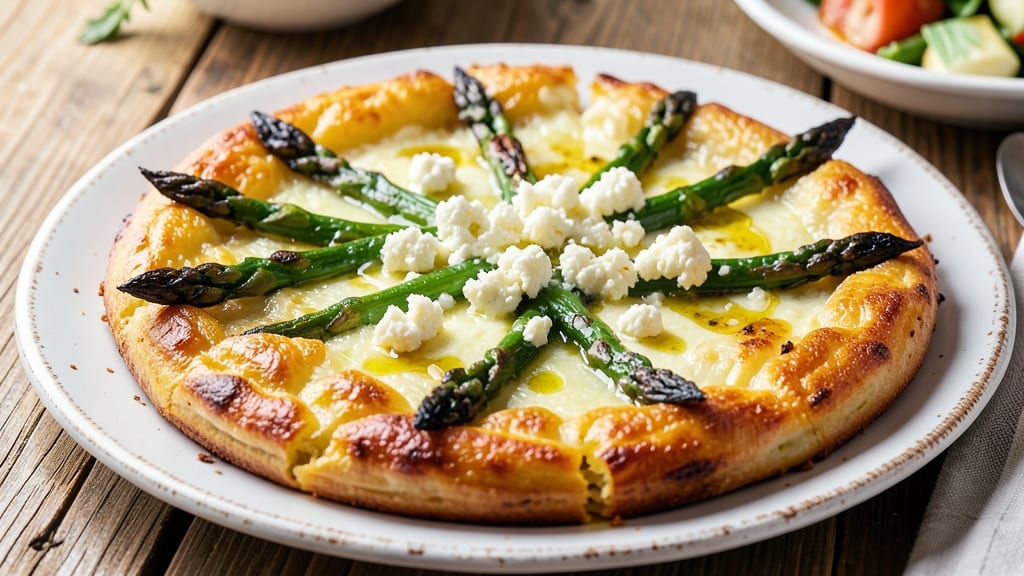
This asparagus and goat cheese frittata recipe delivers the perfect balance of crispy edges, creamy goat cheese, and tender asparagus—transforming a simple breakfast into a restaurant-worthy dish.
The secret lies in roasting the asparagus first to concentrate its natural sweetness, then baking the frittata at high heat to achieve that coveted golden crust while keeping the interior fluffy. I’ve perfected this technique over years of testing, ensuring every bite offers a harmonious blend of textures and flavors.
The beauty of this recipe is its simplicity: just a handful of ingredients come together in a single skillet, yet the result feels indulgent. Goat cheese adds a tangy richness that pairs beautifully with the earthy asparagus, while the crispy edges elevate it from ordinary to extraordinary.
Unlike fluffy omelets, this frittata holds its shape, making it ideal for brunch or a light dinner. The best part? It’s ready in under 30 minutes, with minimal cleanup.
What makes this frittata truly special is the contrast—crispy edges that shatter slightly with each bite, tender asparagus spears that stay bright and vibrant, and the velvety melt of goat cheese throughout.
The high-heat baking method ensures the top remains golden and firm, while the inside stays moist and custardy. Garnish with fresh chives or a drizzle of balsamic glaze for an extra touch of elegance, though it’s already delicious as-is.
Whether you’re hosting a brunch or craving a satisfying meal, this frittata delivers. It’s the kind of dish that feels both comforting and impressive—perfect for weeknights or special occasions. Let’s get started on creating your next go-to breakfast masterpiece.
Ingredients for asparagus and goat cheese frittata
Just twelve ingredients transform into a restaurant-worthy frittata with crispy edges and tangy richness.
| Ingredient | Amount | Notes |
|---|---|---|
| Fresh Asparagus Spears 🌱 | 1 lb | Trimmed ends, cut into 2-inch pieces |
| Large Eggs 🥚 | 8 whole | Room temperature for best mixing |
| Whole Milk 🥛 | ½ cup | Full-fat for creaminess |
| Goat Cheese 🧀 | 6 oz | Soft, crumbled variety |
| Extra-Virgin Olive Oil 🫒 | ¼ cup | High quality, fruity |
| All-Purpose Flour 🌾 | ¼ cup | For crispy texture |
| Fresh Chives 🌿 | ¼ cup | Chopped, for garnish |
| Garlic Cloves 🧄 | 2 cloves | Minced, for depth |
| Salt 🧂 | 1 tsp | Kosher or sea salt |
| Black Pepper 🌶️ | ½ tsp | Freshly ground |
| Balsamic Glaze 🍷 | 2 tsp | For drizzling (optional) |
| Vegetable Oil 🫒 | 1 tbsp | For skillet coating |
The asparagus is where this frittata shines—thick spears hold their shape better than thin ones. Whole Foods or Trader Joe's have the best quality, but any bright green bunch works. Roasting first concentrates their sweetness—don't skip this step! For goat cheese, chevre-style crumbles melt beautifully, but soft goat cheese logs work too. The eggs should be room temperature—cold eggs make the batter gummy. I always grab organic eggs for richer flavor, but any large eggs do the job.
No goat cheese? Creamy ricotta or feta works in a pinch, though the tang will differ. Fresh chives are ideal, but dried chives at half the amount or even parsley will work. Want extra crispiness? Add 1/4 cup panko breadcrumbs to the flour mix. The olive oil matters—Kirkland Signature or California Avocado brands give the best flavor. For the balsamic glaze, Trader Joe's has an affordable bottle that lasts forever. Pro tip: Toast the flour in the skillet for 30 seconds before adding batter—this adds insane crunch!
This frittata reheats beautifully—just pop slices in a 350°F oven for 5-7 minutes. Keeps 3-4 days in the fridge, wrapped tightly. For make-ahead magic, bake it, cool completely, then slice and freeze portions—3 months of meal prep solved. The best part? Leftovers taste even better the next day as flavors meld. Store the goat cheese in its original packaging, but transfer the batter to a container if prepping ahead—it's sensitive to temperature changes.
Why You'll Love This Recipe
- I swear by this trick: just trim the asparagus ends and snap off the tough bits—no knife required. The spears roast up tender-crisp while the eggs cook, and honestly? That’s my kind of effortless dinner.
- No-Chop Needed: I swear by this trick: just trim the asparagus ends and snap off the tough bits—no knife required. The spears roast up tender-crisp while the eggs cook, and honestly? That’s my kind of effortless dinner.
- Creamy-Tangy Magic: That goat cheese—oh, it’s the star. When it melts into the fluffy egg custard, you get this perfect balance: rich, tangy, and just salty enough to make your taste buds sing. (Yes, even on a Tuesday night.)
- Weeknight to Brunch: Make it for breakfast when you’re running late, or serve it at a brunch with friends—same recipe, different vibes. The leftovers? Just as good cold the next day, sliced and packed for lunch.
Step-by-step instructions for asparagus and goat cheese frittata
Here's how to create a frittata with perfectly crispy edges and creamy goat cheese goodness.
🍳 Step 1: Prep the Asparagus and Build the Base
Preheat your oven to 375°F. Heat 1 tablespoon vegetable oil in a 10-inch oven-safe skillet over medium heat. While the oil heats, trim the tough ends from the 1 pound fresh asparagus spears and cut them into 2-inch pieces. Toss the asparagus with 1 tablespoon extra-virgin olive oil, 1 teaspoon salt, and ¼ teaspoon black pepper.
When the oil in the skillet shimmers, add the asparagus in a single layer. Cook for 4-5 minutes until tender but still vibrant green. Remove the asparagus and set aside. In the same skillet, add the 2 minced garlic cloves and cook for 30 seconds until fragrant—don't let it brown. Sprinkle in the ¼ cup all-purpose flour and stir for 1 minute until lightly golden. This creates a flavorful, crispy base for your frittata.
👨🍳 Step 2: Whisk the Egg Mixture
In a large bowl, whisk together the 8 whole large eggs, ½ cup whole milk, ½ teaspoon salt, and ½ teaspoon black pepper until fully combined. The mixture should be smooth with no streaks of white. Gently fold in the 6 ounces crumbled goat cheese and the cooked asparagus. Be careful not to overmix—just combine until evenly distributed. The goat cheese should be dispersed throughout but still visible as little pockets of creaminess.
Here's the thing—room temperature eggs whip up much better. If your eggs are straight from the fridge, let them sit at room temperature for 10 minutes before whisking. Cold eggs create pockets of steam that prevent even cooking. The mixture should be thick but pourable—like heavy cream.
🥘 Step 3: Assemble and Bake the Frittata
Pour the egg mixture evenly over the flour-garlic base in the skillet. Return the skillet to the stovetop over medium-low heat for 3-4 minutes, just until the edges begin to set and the bottom looks lightly golden. This gentle cooking helps create crispy edges while keeping the center tender.
Transfer the skillet to the preheated 375°F oven. Bake for 15-18 minutes until the top is set and the edges are golden brown. You'll know it's ready when the center still looks slightly soft but springs back when gently pressed with a spatula. The frittata should have a beautiful golden crust around the edges while remaining creamy inside.
🔪 Step 4: Finish and Serve
Remove the frittata from the oven and let it rest for 5 minutes before serving. This resting time allows the juices to redistribute, ensuring every bite is moist and flavorful. While it rests, sprinkle the ¼ cup chopped fresh chives evenly over the top. The chives add a fresh, bright contrast to the rich goat cheese and asparagus.
For that final touch of elegance, drizzle with 2 teaspoons balsamic glaze. The sweet-tart glaze cuts through the richness of the goat cheese and adds a beautiful contrast in both flavor and presentation. Serve warm with a side of crusty bread to soak up any extra sauce. Each slice should reveal crispy edges, creamy goat cheese pockets, and tender asparagus throughout.
Pro Tips For Making Asparagus And Goat Cheese Frittata
- Prep Asparagus Right: DESCRIPTION:
- Whisk Eggs Like Mad: DESCRIPTION:
- Salt the Goat Cheese: DESCRIPTION:
- Cover to Finish Low: DESCRIPTION:
Dietary considerations for asparagus and goat cheese frittata
Vegetarian-Friendly Protein
This frittata delivers plant-based protein through eggs and goat cheese, making it a satisfying vegetarian meal. With 8 large eggs and 6 ounces goat cheese, you get about 25 grams of protein per serving—comparable to a chicken breast.
The asparagus adds fiber and vitamins A/C, while the flour base contributes plant-based texture. 🌱
Gluten-Free Adaptation
For a gluten-free version, simply omit the ¼ cup all-purpose flour from the base. Instead, toast ¼ cup gluten-free breadcrumbs (like Bob's Red Mill 1:1) in the skillet for 1 minute until golden.
This maintains the crispy texture without gluten. Just ensure your goat cheese and other ingredients are certified gluten-free.
Dairy-Free Swaps
Skip the goat cheese and replace it with ½ cup dairy-free cream cheese (like Kite Hill) or cashew cream for a tangy alternative. Use unsweetened almond milk instead of whole milk to keep it dairy-free.
The texture will be slightly lighter, but still rich and satisfying. Always check labels for hidden dairy in store-bought ingredients.
Low-Carb Option
To reduce carbs, eliminate the flour entirely and use 2 tablespoons olive oil instead for the base. The asparagus and eggs provide enough flavor without needing a flour crust. For extra richness, add ¼ cup crumbled dairy-free cheese (like Violife) or avocado slices on top.
This keeps carbs under 6g per serving while maintaining the dish's hearty texture.
Allergen Awareness
This recipe contains eggs and dairy as primary allergens. For egg-free versions, use chickpea flour (mixed with water) to bind the asparagus and create a base, then top with a tofu scramble instead of eggs.
Always check ingredient labels—some goat cheeses may contain added preservatives or cross-contamination risks. When in doubt, opt for certified allergen-free brands like Green Valley Creamery for goat cheese.
Nutrition facts
Frequently asked questions
Can I make this frittata without goat cheese?
Swap the goat cheese for 6 oz ricotta or feta (crumbled) for a milder flavor, or use ½ cup crumbled dairy-free cheese if avoiding dairy. The texture will be slightly different—ricotta adds creaminess while feta brings saltiness. For extra richness, fold in ¼ cup sour cream instead.
How do I prevent the frittata from being too rubbery?
Rubbery frittatas usually happen from overmixing or cold eggs. First, ensure your eggs are room temperature (whisk for 10 minutes if cold). Second, mix just until the goat cheese is evenly distributed—don't overbeat. Finally, use whole milk (not skim) for creaminess, and bake at 375°F for 15-18 minutes—overbaking dries it out.
Can I use frozen asparagus instead of fresh?
Fresh asparagus gives the best texture, but frozen works in a pinch! Thaw it first, then pat dry thoroughly to avoid excess moisture in the skillet. Cook for 5-6 minutes instead of 4-5 minutes to ensure tenderness. For extra flavor, toss thawed asparagus with 1 teaspoon lemon juice before cooking to brighten its taste.
Why did my frittata turn out greasy?
Greasy frittatas usually happen from too much oil or undercooking. Use only 1 tablespoon vegetable oil for the skillet (not the extra 1 tablespoon olive oil for the asparagus). For crispy edges without grease, bake at 400°F for 12-15 minutes instead of 375°F. Let it rest 5 minutes before serving—juices redistribute and reduce greasiness.
How can I make this frittata ahead of time?
Bake it fully, then cool completely before slicing. Store in an airtight container for up to 4 days in the fridge. Reheat slices in a 350°F oven for 5-7 minutes or wrap in foil and warm in the microwave for 30-45 seconds. For freezing, slice first, then freeze portions on a tray before transferring to a bag—this prevents sticking. Thaw overnight in the fridge.