
Side Dishes
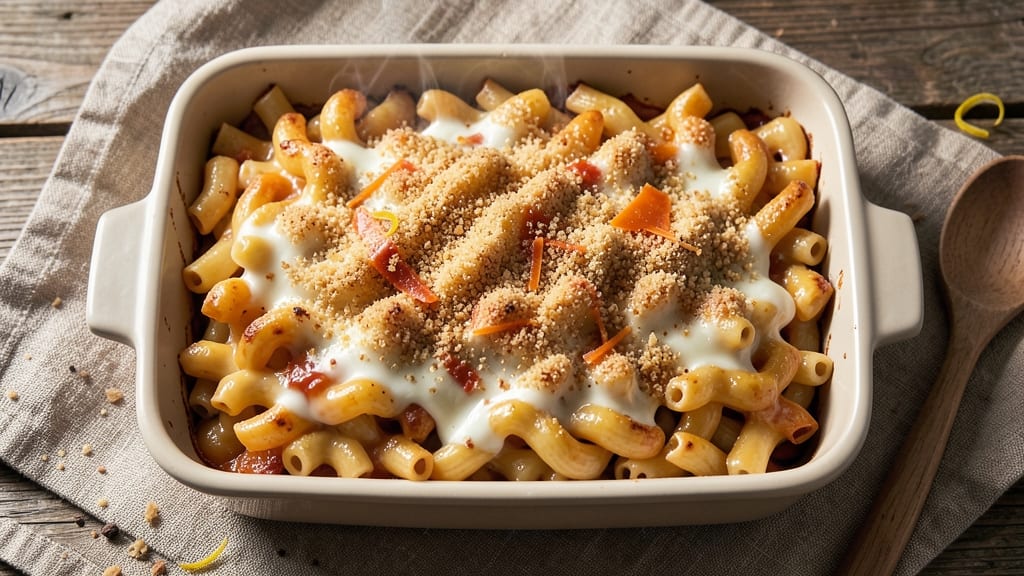
This baked mac and cheese recipe with egg and evaporated milk delivers that silky-smooth, lump-free texture everyone craves—no fancy techniques required. I perfected it after years of testing, and the secret lies in how egg and evaporated milk work together: the egg binds everything while the evaporated milk adds richness without thinning the sauce. The result? A creamy, golden-topped dish that's foolproof and impossible to resist.
What makes this recipe stand out is the balance—just enough egg to create that signature velvety mouthfeel, but not so much that it turns rubbery. The evaporated milk replaces heavy cream while keeping the sauce thick and luxurious.
And because we bake it, the top gets that perfect crispy crust while the inside stays creamy and tender. It's the kind of comfort food that feels indulgent yet simple to make.
Ready in about 45 minutes, this mac and cheese starts with al dente pasta tossed in a rich cheese sauce, then baked until bubbly and golden. The egg ensures the sauce clings to every noodle, while the evaporated milk gives it that signature velvety texture without lumps.
It's the ultimate weeknight dinner—creamy, cheesy, and guaranteed to disappear fast.
Serve it as a side for steak night or as a main dish with a crisp green salad. The best part? Leftovers reheat beautifully, making it perfect for meal prep. Let's get started—your taste buds will thank you.
Ingredients for baked mac and cheese recipe with egg and evaporated milk
The secret to velvety mac and cheese lies in these 13 ingredients working together perfectly.
| Ingredient | Amount | Notes |
|---|---|---|
| Elbow Macaroni 🍝 | 12 oz | Dry, al dente texture preferred |
| Sharp Cheddar Cheese 🧀 | 2 cups | Shredded, aged 2+ years preferred |
| Extra-Sharp White Cheddar Cheese 🧀 | 1 cup | For extra tangy depth |
| Large Eggs 🥚 | 2 whole | Room temperature for best binding |
| Evaporated Milk 🥛 | 1 cup | Unopened can for creaminess |
| Heavy Cream 🥛 | ½ cup | Full-fat for richness |
| Unsalted Butter 🧈 | 4 tbsp | Cold, cubed for even melting |
| All-Purpose Flour 🌾 | 2 tbsp | For thickening, sifted |
| Mustard Powder 🌶️ | ½ tsp | Dry, for subtle tang |
| Kosher Salt 🧂 | 1 ½ tsp | Diamond Crystal preferred |
| Black Pepper 🌶️ | ½ tsp | Freshly cracked |
| Panko Breadcrumbs 🍞 | ¼ cup | For crispy topping |
| Garlic Powder 🧄 | ½ tsp | For subtle depth |
The cheeses are non-negotiable here. Sharp cheddar gives that classic tang, while extra-sharp white cheddar adds complexity. I always grab mine from Whole Foods—their aged cheddar melts like a dream. For the pasta, Barilla elbow macaroni is my go-to (the good stuff, not the store brand), and it's crucial to cook it just shy of al dente so it finishes perfectly in the oven. The evaporated milk? Unopened cans from the back of the shelf—freshness matters for that silky texture. And no, the powdered kind won't cut it here.
No evaporated milk? Full-fat coconut milk works in a pinch (though the texture will differ slightly), but don't substitute with regular milk—it'll turn watery. Fresh out of sharp cheddar? Pepper jack at half the amount adds heat, or Gruyère for nutty depth. The eggs must be room temperature—cold eggs won't bind properly. For the breadcrumbs, Trader Joe's has the best panko at a great price, but any high-quality panko will do. The mustard powder is key—it cuts through the richness without overpowering. If you're gluten-free, swap the flour for cornstarch and use gluten-free pasta.
This reheats like a dream—just cover with foil and warm in the oven for 10-15 minutes. Keeps in the fridge for 4-5 days (though it rarely lasts that long) and freezes beautifully for up to 3 months. For the crispy topping, I always press the breadcrumbs into the cheese mixture before baking—don't skip this step. And if you're serving this as a main, pair it with a simple arugula salad and crispy prosciutto for a restaurant-worthy meal. The leftovers? Even better the next day as the flavors meld.
Why You'll Love This Recipe
- No-Sauce Struggle: I swear by this version because it skips the whole roux mess—just shredded cheddar, evaporated milk, and eggs melted together over the pasta. The cheese blends into that rich, velvety sauce without a single clump, and honestly? It’s the kind of dish that makes me want to hug my baking sheet.
- Double Cheese Magic: That mix of sharp cheddar and extra-sharp white? It’s a flavor bomb—creamy with a tangy kick that lingers. The eggs add a subtle richness, and the evaporated milk keeps it luscious without being heavy. I’ll be real: my picky-eater husband goes back for thirds.
- Leftovers That Don’t Suck: This bakes into a golden, crispy-topped casserole that reheats like a dream—no soggy corners, no sad texture. I make a big batch on Sundays, and it’s still the star of my lunchbox by Wednesday. (Yes, even on a Tuesday night, it’s still winning.)
- Pantry Staple Power: Five ingredients, zero specialty items. If you’ve got pasta, cheese, eggs, and a can of evaporated milk, you’re golden. Between us, this is my go-to when I’m too tired to shop or the budget’s tight—still feels fancy, costs next to nothing.
Step-by-step instructions for silky-smooth baked mac and cheese
This method delivers velvety texture and perfect melt—no lumps, no graininess, just pure comfort.
Cook the Pasta Until Al Dente
Bring a large pot of water to a rolling boil and add 12 oz elbow macaroni. Cook until 1 minute before the package's al dente time—this prevents overcooking when it bakes later. Reserve 1 cup of pasta water before draining, as we'll use it to create the perfect sauce consistency.
Real talk: Undercooked pasta is better here. It'll finish cooking in the oven while absorbing all that cheesy goodness. Drain well and return the pasta to the pot. Toss it with 2 tbsp unsalted butter (from the ingredients) to prevent sticking and coat each strand evenly. Set aside while we make the sauce.
Build the Cheese Sauce Off the Heat
In a separate bowl, whisk together the 2 whole large eggs, 1 cup evaporated milk, 0.5 cup heavy cream, 2 tbsp all-purpose flour, 0.5 tsp mustard powder, 1.5 tsp kosher salt, and 0.5 tsp black pepper until completely smooth. This is where the magic happens—the eggs and evaporated milk create that signature creamy texture without lumps.
Here's the thing—we're not heating this mixture yet. The eggs need to gently cook in the residual heat from the hot pasta, not scramble. Add the 2 cups sharp cheddar cheese and 1 cup extra-sharp white cheddar cheese (shredded) to the egg mixture and stir until fully melted and incorporated. The sauce should be thick but still pourable. If it looks too thick, add a splash of the reserved pasta water to loosen it.
Combine Pasta and Sauce
Transfer the cooked macaroni to a large mixing bowl. Pour the cheese sauce over the pasta and gently fold everything together with a wooden spoon. The goal is to coat every strand evenly without breaking the pasta. I like to work in batches if needed—just don't overmix or you'll end up with a dense, gluey texture instead of that creamy, pull-apart consistency we're after.
This is the moment that matters: Taste the mixture now. It should be rich, cheesy, and perfectly seasoned. If it needs more salt, add it gradually—it's easier to fix now than later. The sauce should be thick enough to cling to the pasta but still spreadable. If it's too thick, add more reserved pasta water 1 tablespoon at a time until it reaches the ideal consistency.
Transfer to Baking Dish and Top
Preheat your oven to 375°F. Grease a 9x9-inch baking dish generously with butter or oil—this prevents sticking and makes cleanup a breeze. Transfer the macaroni mixture to the prepared dish and spread it out evenly. For extra flavor depth, sprinkle the top with 0.5 tsp garlic powder.
Here's where we get crispy: In a small bowl, mix the 0.25 cup panko breadcrumbs with 1 tbsp melted butter (from the remaining 4 tbsp unsalted butter—you'll have about 1 tbsp left after coating the dish). Sprinkle this mixture evenly over the top of the mac and cheese. The breadcrumbs will create a golden, crispy crust that contrasts beautifully with the creamy interior.
Bake to Golden Perfection
Bake for 25-30 minutes until the top is deep golden brown and the edges are bubbling. You'll know it's ready when the center is hot and the edges pull away slightly from the baking dish. If the top browns too quickly, tent the dish with aluminum foil for the last 10 minutes to prevent over-browning.
Remove from the oven and let it rest for 5-10 minutes before serving. This resting time allows the mac and cheese to set slightly, making it easier to slice and serve. The texture should be silky-smooth with a perfectly crispy, golden-brown top. Each bite delivers that creamy, cheesy goodness without a single lump in sight—just like your favorite comfort food.
Pro Tips For Making Baked Mac And Cheese Recipe With Egg And Evaporated Milk
- STRAIN AND TOWEL-DRY PASTA: I learned this the hard way—draining macaroni and tossing it straight into the cheese sauce without drying it first leaves you with a watery, gloppy mess. Spread the cooked pasta on a baking sheet for 5 minutes after draining, then shake off excess moisture. The starch clings to the noodles instead of turning your sauce into soup.
- USE FULL-FAT EVAPORATED MILK: Skip the low-fat version unless you want a sauce that separates like oil and water. Full-fat evaporated milk adds richness and helps emulsify the cheese—no weird graininess or breakup when baking. (Yes, even if you're impatient like me, this isn’t the step to cut corners.)
- BAKE UNTIL THE EDGES BROWN: The cheese sauce might look set at 350°F, but resist pulling it out early. Keep it in until the edges are golden and the top has a crispy crust—about 15–20 minutes past when you think it’s done. Underbaked mac and cheese is creamy but sad; overbaked is the only way to get that perfect texture.
- GRATE CHEESE FRESH, DON’T PULSE: Food processors shred cheese into powder, and that’s how you end up with a sauce that looks like glue. Use a box grater for sharp cheddar and white cheddar—big, uneven shreds melt slower and create pockets of gooey goodness. (Your future self will thank you.)
Pro cooking tips for this recipe
Egg Binding Secrets
Room-temperature eggs are non-negotiable—they bind better and prevent lumps. I crack mine directly into the cold evaporated milk mixture and whisk vigorously for 30 seconds to emulsify before adding heat. This creates tiny, stable fat globules that distribute evenly throughout the sauce. 🥚
Evaporated Milk Magic
The unopened can of evaporated milk is your secret weapon—it's thicker than regular milk but still creamy, providing that signature velvety texture without thinning the sauce. I always use 1 cup straight from the can (no shaking) and add it to the egg mixture first.
This prevents curdling when the cheese melts in later.
Pasta Water Reserve
Never skip reserving that 1 cup pasta water—it's liquid gold for adjusting consistency. I keep it warm in a small saucepan on the stove while I make the sauce.
If the mixture gets too thick, I add it 1 tablespoon at a time until it reaches that perfect coating consistency. This is especially important when combining with the hot pasta.
Low-Heat Cheese Melting
Here's my pro tip: After adding the cheese to the egg mixture, I place the bowl over a pot of barely simmering water (double boiler method) rather than heating it directly.
This gentle, indirect heat melts the cheese smoothly without scrambling the eggs. I stir constantly until everything is fully incorporated—usually about 5-7 minutes.
Breadcrumb Crust Hack
For that perfect crispy topping, I mix the panko with 1 tbsp melted butter and press it firmly into the cheese mixture before baking. The butter helps the breadcrumbs adhere better and creates a golden, crackly crust.
I also sprinkle a pinch of garlic powder on top before baking for extra flavor depth.
Resting Time Matters
Letting the baked mac and cheese rest for 5-10 minutes after coming out of the oven is crucial. This allows the internal temperature to even out, preventing a runny center. I also find it makes slicing much easier—each portion holds its shape beautifully on the plate. 💫
Nutrition facts
Frequently asked questions
Why does this recipe use evaporated milk instead of regular milk?
Evaporated milk adds richness and creaminess without thinning the sauce like regular milk would. The thicker consistency helps create that signature velvety texture while keeping the sauce thick and clingy to the pasta. Plus, it adds a subtle sweetness that balances the sharp cheddar beautifully.
Can I make this recipe without eggs?
Technically yes, but the eggs are what create that signature creamy, velvety texture. Without them, you'll need to replace with 2 tbsp cornstarch or flour mixed with 2 tbsp cold water to create a similar thickening effect. The result won't be quite as rich, though.
How do I prevent a watery mac and cheese?
Watery texture happens when the sauce is too thin. Always use the reserved pasta water sparingly—just 1 tbsp at a time—and make sure your cheese is fully melted before combining with the pasta. The eggs and evaporated milk combo naturally thickens the sauce when done properly. Also, don't overcook the pasta initially—it should finish cooking in the oven.
Can I make this ahead of time?
This mac and cheese actually tastes better the next day as the flavors meld. Assemble the dish up to 24 hours ahead and refrigerate uncovered. When ready to bake, add 5-10 minutes to your baking time (cover with foil for the first 15 minutes to prevent over-browning). The texture will be even creamier after resting.
What's the best way to reheat leftovers?
For best results, cover with foil and reheat in a 350°F oven for 15-20 minutes until warmed through. Microwave reheating works but can make the breadcrumb topping soggy. If using the microwave, cover with a damp paper towel and heat in 30-second intervals, stirring between each. The texture will be just as creamy and delicious!